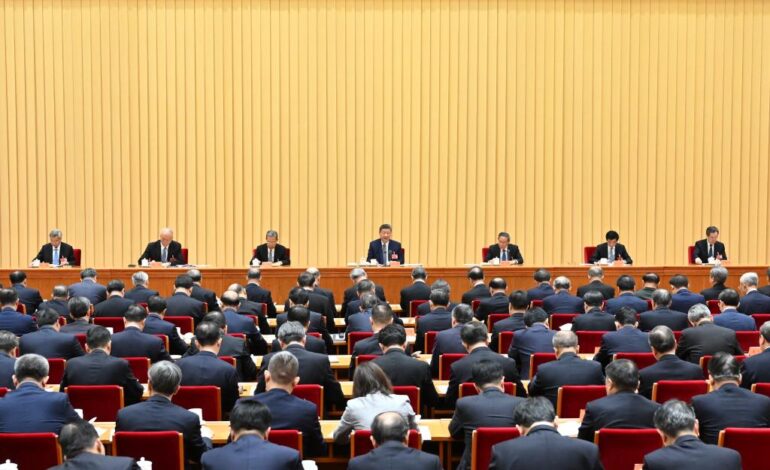
Japanese Prime Minister’s Taiwan Remarks Face Growing Backlash at Home and Abroad
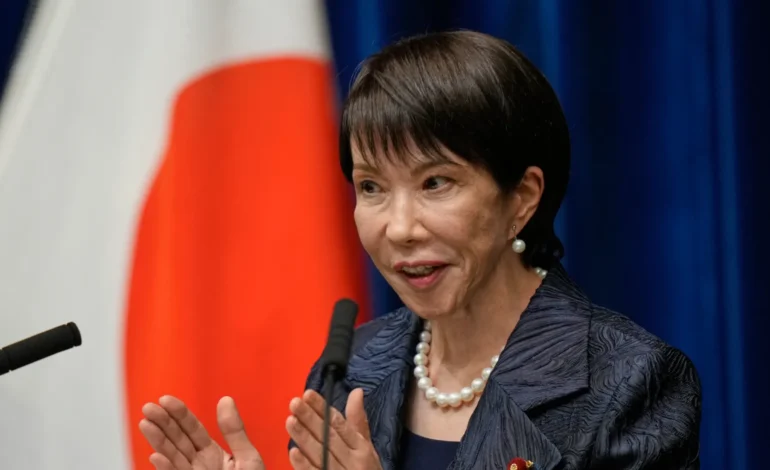
Japanese Prime Minister Sanae Takaichi is facing mounting criticism inside Japan after her recent comments on Taiwan triggered strong reactions from Beijing and sparked debate among scholars, journalists and political observers. Her remarks, which China described as erroneous and provocative, have widened a discussion in Tokyo about how Japan should navigate its relationship with China during a period of heightened regional sensitivity.
The controversy began when Takaichi suggested that Japan must manage what she called various pending issues in its relationship with China by reducing tensions, building mutual understanding and keeping channels of communication open. Her comments were framed as part of a broader diplomatic posture, but Chinese officials argued that the prime minister had misrepresented fundamental political realities concerning Taiwan. Beijing maintains that Taiwan is an integral part of China, a position recognized by Japan under longstanding diplomatic commitments.
Asked about Takaichi’s statements, Chinese Foreign Ministry spokesperson Guo Jiakun said the situation was not simply a matter of dialogue or differing viewpoints. According to Guo, the core issue is that Takaichi’s remarks failed to respect China’s sovereignty and crossed a political line that Beijing has repeatedly emphasized. He added that the prime minister’s framing of the situation risked misleading the Japanese public and complicating bilateral efforts aimed at stabilizing ties.
Guo also cited growing pushback from within Japan, pointing out that criticism is not limited to Beijing. Among the most notable voices is Atsushi Okamoto, former editor in chief of the influential Sekai Magazine. Okamoto argued that while Takaichi repeatedly speaks about the importance of dialogue with China, genuine dialogue requires sincerity, mutual respect and a willingness to understand the other side’s position. He said that the tone and substance of Takaichi’s recent comments fall short of those basic requirements.
Okamoto’s remarks reflect a wider concern among some Japanese analysts who believe that uncalibrated political messaging on Taiwan can strain Japan China relations at a critical moment. Many argue that maintaining stability in the region requires careful diplomacy and consistent communication rather than statements that may be interpreted as confrontational or dismissive.
The backlash also highlights tensions within Japan’s own political landscape. Takaichi, known for her conservative views, has often taken a firmer stance on security issues and regional geopolitics. Her approach has resonated with certain segments of the public, but critics argue that such rhetoric risks undermining diplomatic progress achieved through more moderate engagement.
For China, the incident serves as another reminder of the sensitivity surrounding Taiwan. Chinese officials emphasized that any remarks or actions that challenge the one China principle are bound to draw strong reactions. For Japan, the episode has reignited an ongoing national conversation about how to balance alliance commitments, regional security and the need for stable ties with its largest trading partner.
As public discussion intensifies, both Beijing and Tokyo appear aware that miscommunication can escalate tensions at a time when the region is already navigating complex strategic shifts. Analysts say that how both sides handle this moment could influence the tone of bilateral relations in the months ahead.