China’s Xreal Partners with Google to Develop New Android Powered AI Glasses
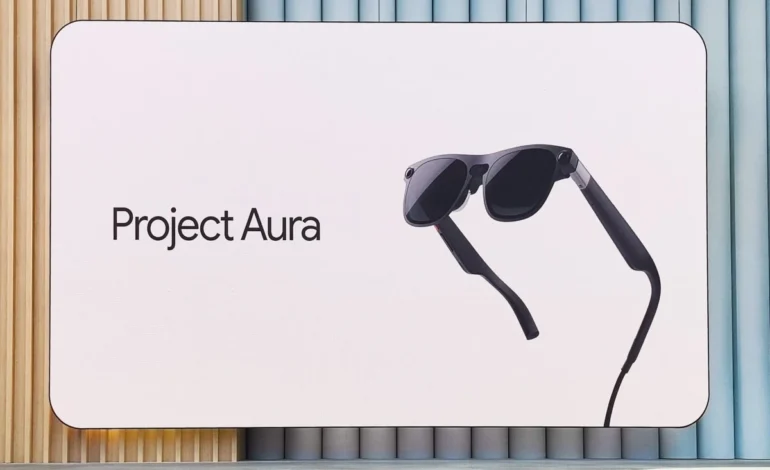
Chinese augmented reality start up Xreal is stepping further into the global spotlight after forming a partnership with Google to develop Project Aura, a new generation of smart glasses that blends artificial intelligence with lightweight wearable design. The collaboration marks another sign of China’s growing research and development strength as global demand for advanced smart eyewear continues to rise.
Project Aura was first revealed during Google’s I O developer conference in May, drawing attention for its compact sunglasses like appearance and its integration of Google’s broader extended reality ecosystem. The device will run on Android XR, Google’s unified operating system for next generation XR devices built jointly with Qualcomm and Samsung. It also features Gemini AI, enabling real time assistance, smart information overlays and enhanced hands free interaction.
A standout feature of Aura is its dual chip configuration. Xreal’s own X1S chip is embedded directly inside the glasses to support display processing and on device intelligence, while a Qualcomm Snapdragon chip sits in a small external puck connected by a tether. This puck also houses the battery, allowing the glasses themselves to remain lighter and more comfortable for daily wear. The design aims to strike a balance between performance, mobility and longer use time, which remains one of the biggest challenges in the smart eyewear market.
The optical see through lenses allow users to view digital content layered seamlessly onto their natural surroundings. As interest grows in AI enhanced work tools, entertainment experiences and real world navigation features, companies worldwide are racing to deliver practical wearable devices that combine advanced computing power with ease of use. Xreal’s engineering capabilities, particularly in lightweight optical systems, have positioned it to play a significant role in this evolving market.
For Google, the partnership represents another step in rebuilding its presence in the smart glasses space after earlier attempts struggled to gain traction. With AI now central to consumer technology and XR platforms becoming more unified, Project Aura is expected to play a key role in Google’s broader strategy to integrate artificial intelligence into everyday devices.
For China’s tech sector, the collaboration highlights the increasing global relevance of its hardware start ups. Xreal, known for its consumer AR glasses, has consistently invested in optical technologies and display engineering. Its involvement in a high profile international project suggests a growing confidence from global firms in Chinese R and D capabilities, particularly in emerging hardware segments such as augmented reality and AI driven wearables.
Project Aura is slated for release next year and is likely to intensify competition in the smart eyewear market. As companies look beyond smartphones toward more natural and immersive digital interfaces, AI enhanced glasses may become a central part of the next wave of consumer technology.