China’s Hezhen Yimakan Storytelling Earns Place on UNESCO’s Intangible Cultural Heritage List
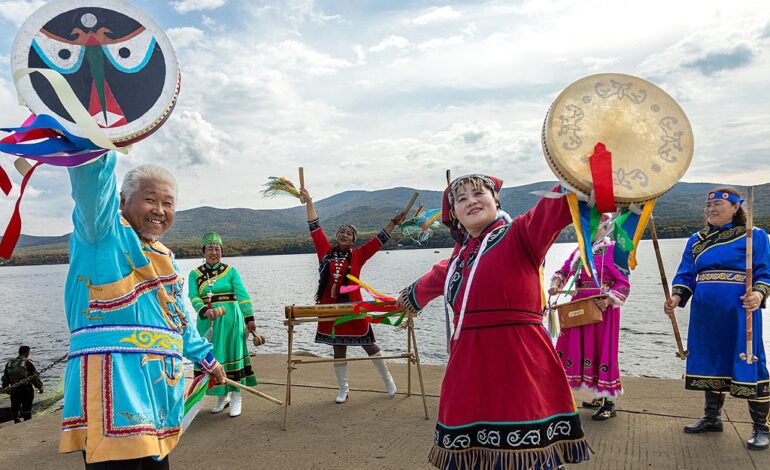
China’s traditional Hezhen Yimakan storytelling has received international recognition after being added to UNESCO’s Representative List of the Intangible Cultural Heritage of Humanity. The decision was made on Thursday during the 20th session of the UNESCO Intergovernmental Committee for the Safeguarding of Intangible Cultural Heritage, held in New Delhi, marking an important milestone in the preservation of one of China’s most unique oral traditions.
The art form had previously been listed as needing urgent safeguarding, but years of coordinated protection and revitalization efforts allowed China to nominate it for inclusion on the more prestigious Representative List. In addition to this upgrade, UNESCO also selected the safeguarding plan for Yimakan storytelling for its Register of Good Safeguarding Practices, recognizing China’s successful strategies in protecting the heritage and ensuring its transmission to future generations.
The Hezhe people, who inhabit the river basins of the Heilongjiang, Songhuajiang and Wusulijiang rivers in northeastern China, form one of the country’s smallest ethnic groups with a population of just over five thousand. Despite their small numbers, the community has preserved a remarkably rich cultural heritage rooted in the region’s fishing and hunting traditions.
At the heart of this heritage lies Yimakan storytelling, a centuries old oral art that blends spoken narration with melodic chanting. Performed entirely in the Hezhen language, Yimakan pieces recount a wide range of themes including ethnic origins, heroic tales, historical memories, spiritual beliefs, everyday customs and the deep connection between the Hezhe community and the natural world.
The performers, often considered cultural transmitters, memorize long and intricate narratives that can be passed down within families or learned through community apprenticeships. Their delivery shifts between rhythmic singing and expressive speech, giving each performance a distinctive emotional texture. The art form has long been central to Hezhe identity, serving as a way to preserve collective memory and share moral values.
In recent years, local governments, cultural institutions and community elders have worked together to revive and protect Yimakan traditions through language preservation programs, training workshops for young performers, documentation initiatives and public cultural events. These efforts were key to lifting Yimakan storytelling from the urgent safeguarding category and presenting it as a living, evolving tradition that continues to thrive.
UNESCO’s recognition is seen as both an honor and a new opportunity. Experts say the listing will help raise international awareness of Hezhe culture and encourage wider participation in preservation efforts. For the Hezhe community, it represents a moment of pride and a renewed commitment to ensuring that the stories, melodies and wisdom carried through Yimakan storytelling remain part of their cultural life for generations to come.