Austria’s Proposed Hijab Ban Sparks Outcry and Inspires Schoolgirl Protest
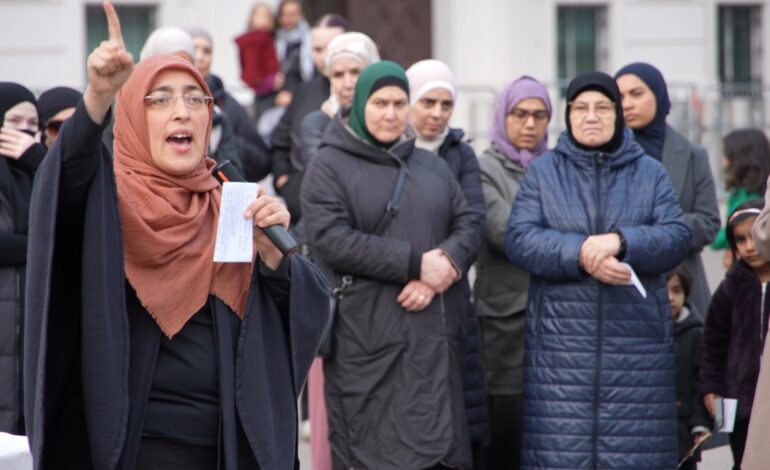
Austria’s parliament has approved a controversial law banning girls under the age of fourteen from wearing headscarves in school, a decision that has triggered widespread criticism from rights groups, educators and Muslim communities. The legislation, which passed with strong support from lawmakers on Thursday, is set to take effect in February and will allow authorities to fine parents up to 1,150 dollars if their daughters attend school wearing a hijab.
The conservative led government argues that the ban is designed to protect young girls from what it describes as oppressive cultural expectations. Officials have framed the measure as part of a broader effort to uphold gender equality and prevent children from being forced into religious practices. The decision comes at a time when anti immigration sentiment remains influential in Austrian politics, shaping policy debates and public discourse.
A previous attempt in 2019 to restrict headscarves in primary schools was overturned by Austria’s constitutional court, which ruled that the measure unfairly targeted Muslim students. Despite that setback, the government revived the proposal this year with a broader scope and stricter enforcement mechanisms. Critics say the renewed push reflects political pressure rather than genuine concern for children’s rights.
Many Muslim families argue that the law infringes on religious freedom and parental authority. Esma Kedikli, a mother who opposes the legislation, says the state is overreaching into personal and cultural matters that should remain within families and communities. She believes the ban ignores the reality that many girls choose to wear the hijab as an expression of identity rather than compulsion.
Esma’s daughter Ruveyda is one of thousands of Muslim schoolgirls in Austria who wear the hijab daily. She says her choice is voluntary and meaningful, even at her young age. She notes that while some may feel pressured to cover, many others wear the headscarf because it reflects their values and how they wish to be seen. Another student, fourteen year old Hadije, says she began wearing the hijab because she admires her mother and always imagined herself growing up with the same sense of elegance and belonging.
Supporters of the ban counter that the issue goes beyond personal choice. Integration Minister Claudia Plakolm said the government cannot ignore situations where young girls may be restricted in their development by what she described as patriarchal expectations or misguided notions of honor. To her, allowing minors to wear the headscarf risks normalizing gender based pressure that should not exist in childhood.
The divide highlights a larger national debate over cultural identity, religious freedom and integration in an increasingly diverse Austria. While lawmakers have cast the measure as a step toward protecting children, opponents fear it will stigmatize Muslim girls and exacerbate social tensions. The controversy has already motivated student led protests, as young girls voice their concerns about what the law means for their rights, their expression and their place in Austrian society.