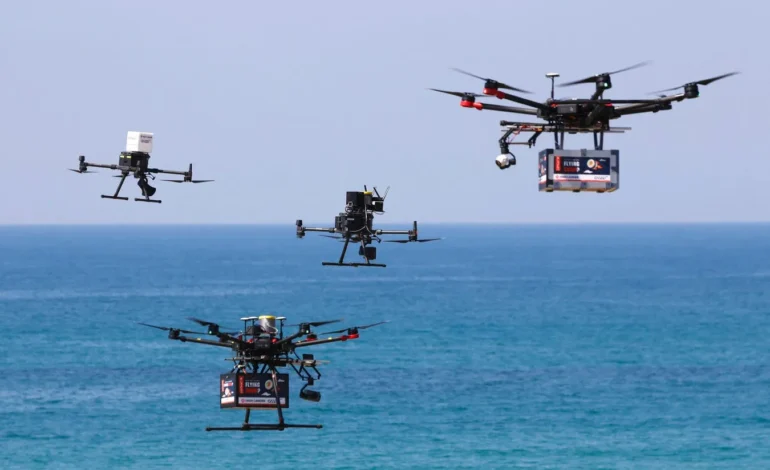
The Future of Aerial Security How Drones Are Redefining Safety and Surveillance
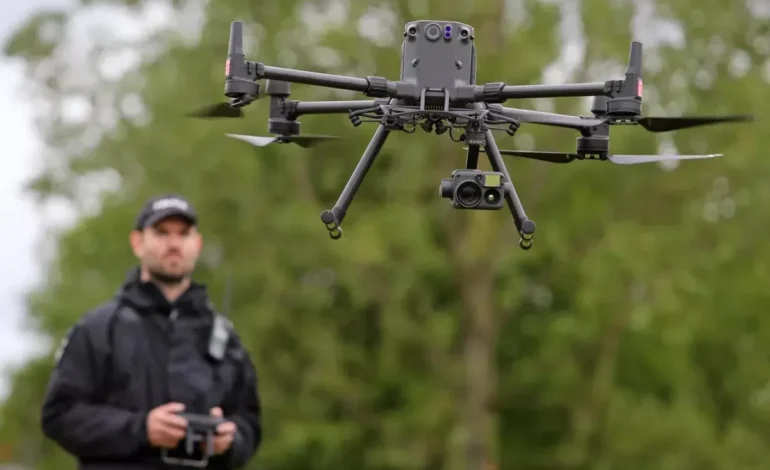
Drones are transforming the world of security and surveillance, offering new capabilities that traditional systems could never achieve. As cities grow denser and security challenges become more complex, drones provide a flexible and efficient way to monitor large areas, respond to incidents and gather real time information. Their ability to fly quickly, access difficult locations and operate with minimal human involvement has made them essential tools for governments, businesses and private security firms. What once belonged to science fiction is now a significant part of modern safety strategies.
Real Time Monitoring at New Heights
One of the most important advantages of drones is their ability to deliver real time visual information. Security teams can deploy them instantly to observe ongoing situations, track suspicious activity and provide instant updates to command centres. High resolution cameras, thermal imaging and night vision allow drones to operate around the clock. This reduces the limitations faced by ground patrols and fixed CCTV systems. Instead of waiting for information, decision makers receive live data that helps them understand threats more clearly and respond more effectively.
Enhancing Emergency Response
Drones have become indispensable during emergencies where time and accurate information are critical. Firefighters use drones to assess burning buildings, identify hotspots and evaluate structural risks before sending crews inside. Search and rescue teams rely on drones to scan forests, coastlines and mountainous terrain for missing people. In these scenarios, drones offer both speed and safety by accessing dangerous areas without putting rescuers at risk. Their ability to map disaster zones and transmit detailed footage helps authorities plan efficient responses and save lives.
Smarter Surveillance Through AI
Artificial intelligence is reshaping how drones perform surveillance tasks. AI powered systems can detect unusual patterns, recognise faces or vehicles and follow targets autonomously. These capabilities reduce human workload and improve accuracy, allowing drones to analyse complex scenes without constant manual control. For large facilities such as airports, ports and industrial plants, AI enabled drones provide continuous monitoring with fewer errors. They can patrol predefined routes, identify anomalies and notify security teams instantly. This combination of automation and intelligence is pushing aerial security into a more advanced era.
Strengthening Urban and Infrastructure Protection
Cities facing diverse security challenges are turning to drones to monitor public spaces, critical infrastructure and high risk zones. Drones are used to oversee traffic, observe crowded events and detect unauthorised access to restricted areas. Utility companies employ them for inspections of power lines, pipelines and communication towers, reducing the risk of failures or sabotage. By offering comprehensive coverage from the sky, drones help authorities maintain safety in environments where traditional monitoring struggles to keep pace.
Balancing Innovation With Public Confidence
As drones become more common in security operations, governments and organisations must address concerns about privacy, noise and responsible use. Clear rules on flight zones, data management and transparency are vital to maintaining public trust. When deployed with proper guidelines and communication, drones can enhance security without compromising individual rights. The growing acceptance of these tools suggests that society is adapting to their presence, especially when they contribute meaningfully to safety and emergency response.
A Future Led by Intelligent Aerial Systems
The future of security is deeply connected to the evolution of drone technology. Advancements in AI, battery life, communication networks and autonomous navigation will continue to expand what drones can achieve. From supporting law enforcement to protecting vital infrastructure, drones are becoming essential partners in building safer communities. As adoption grows and innovation accelerates, aerial security will move from being an emerging trend to a standard component of global safety strategies.