China’s AI Video Boom Accelerates as Generative Tools Move Into the Mainstream
China’s artificial intelligence video sector is entering a new phase of rapid growth, as advances in generative technology push AI driven video creation from experimental use into widespread commercial adoption. Companies across the country are racing to release tools that promise to produce realistic, high quality video content in minutes, reshaping how media, advertising, education, and e commerce industries approach visual storytelling.
At the center of this momentum is a growing belief among Chinese tech firms that AI video generation will become a core productivity tool rather than a niche creative experiment. Businesses are increasingly using AI to reduce production costs, shorten turnaround times, and personalize content at scale. From promotional clips and short form social media videos to corporate training materials and digital entertainment, AI generated video is beginning to touch nearly every corner of the content economy.
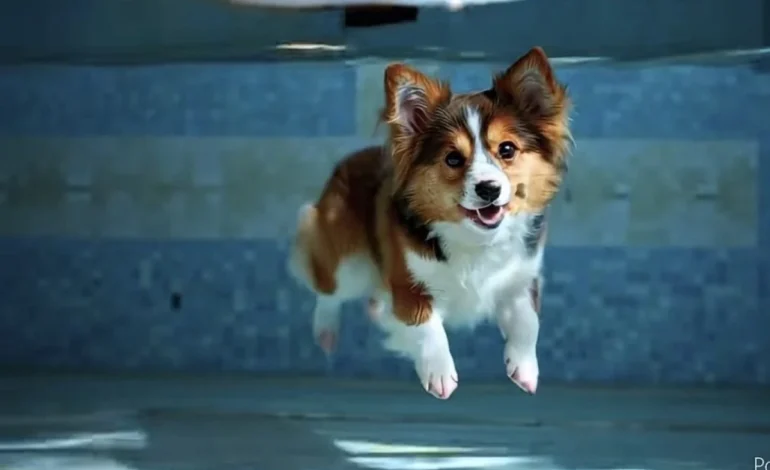
This week, Beijing based Shengshu Tech added fresh energy to the competitive landscape by unveiling a new AI video agent it described as a one click professional video creation solution. The company says the system can transform static images into expressive, high resolution video sequences within minutes, allowing users with minimal technical skills to produce polished visual content. The launch highlights how Chinese firms are focusing on usability as much as raw technical capability, aiming to make advanced AI tools accessible to a broader audience.
Shengshu Tech gained attention earlier as the first mainland Chinese company to introduce a direct challenger to OpenAI’s Sora video generation model. Its latest product builds on that foundation by incorporating the concept of AI agents, software programs designed to autonomously perform tasks on behalf of users. In the video space, this means automating complex processes such as motion design, scene transitions, and visual coherence, all through simplified user input.
Industry observers say the rise of AI agents represents a shift in how artificial intelligence is positioned in creative work. Rather than acting as a passive tool that responds only to prompts, AI agents are increasingly designed to manage entire workflows. For video creation, this can include selecting visual styles, generating movement patterns, syncing imagery with music or narration, and refining output quality without constant human intervention.
China’s broader AI ecosystem is helping fuel this rapid development. Strong government support for artificial intelligence research, combined with a vast domestic market and deep pools of engineering talent, has allowed startups and established tech companies alike to experiment quickly and iterate at scale. At the same time, growing demand from businesses eager to stand out in crowded digital spaces is accelerating real world adoption.
As competition intensifies, analysts expect the next phase of growth to focus on improving realism, emotional expression, and controllability of AI generated videos. Questions around copyright, data usage, and ethical standards are also likely to gain prominence as the technology becomes more widely used.
For now, the pace of innovation suggests that AI video tools are moving rapidly from novelty to necessity in China’s digital economy, signaling a future where professional grade video creation may be just a click away for millions of users.