Xpeng and Li Auto Win Approval to Test Hands Off Driving Technologies
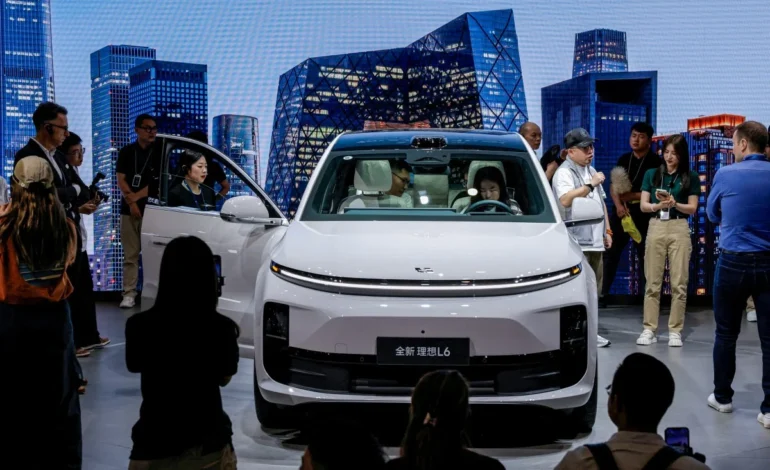
Regulatory Support for Advanced Driving Systems
China has granted fresh regulatory approvals to two of its leading electric vehicle makers, Xpeng and Li Auto, allowing them to test level three autonomous driving technologies in selected urban areas. The move signals continued government backing for advanced driver assistance systems at a time when the domestic car market is facing slowing sales growth. By expanding testing permissions, authorities appear to be encouraging innovation as a way to stimulate confidence and differentiation within the crowded EV sector.
Understanding Level Three Autonomous Driving
Level three autonomous driving represents a significant step beyond current driver assistance features. Under this system, vehicles can handle most driving tasks under specific conditions, allowing drivers to take their hands off the wheel and eyes off the road temporarily. However, drivers must remain ready to take control when prompted. Regulators have approached this technology cautiously due to safety and liability concerns, making the latest approvals particularly notable.
Xpeng and Li Auto Join a Select Group
Xpeng and Li Auto are the latest companies to receive permission to test level three systems, joining a small but growing group of automakers cleared to experiment with higher levels of autonomy. According to industry officials, Xpeng will be allowed to conduct tests on designated roads in Guangzhou, the company’s home city. Li Auto, often described as a domestic rival to Tesla, will carry out similar tests in selected districts of Beijing, where it is headquartered.
Momentum Builds After Earlier Approvals
The approvals for Xpeng and Li Auto came just one day after the Ministry of Industry and Information Technology authorized two other state linked automakers, Changan Automobile and BAIC, to begin assembling new vehicles equipped with level three self driving systems. Taken together, these decisions suggest a coordinated effort to move China’s autonomous driving development from controlled trials toward broader real world applications.
Slowing Car Market Shapes Policy Direction
China’s automotive market has shown signs of cooling after years of rapid expansion, particularly in the electric vehicle segment where competition has intensified. As price wars squeeze margins and consumer demand softens, policymakers are looking for ways to support innovation without resorting solely to subsidies. Encouraging the rollout of advanced driving features may help manufacturers differentiate their products and renew consumer interest.
Strategic Importance for Xpeng
For Xpeng, which counts Volkswagen Group among its strategic backers, the approval strengthens its positioning as a technology focused automaker. The company has invested heavily in software, sensors, and computing power to support autonomous driving. Testing level three capabilities on public roads provides valuable data and helps demonstrate technological maturity to both regulators and consumers.
Li Auto’s Urban Testing Advantage
Li Auto’s testing approval in Beijing carries symbolic and practical significance. Operating in the capital allows the company to validate its systems in complex traffic environments under close regulatory observation. Success in such settings could enhance Li Auto’s reputation for safety and reliability, key factors for buyers considering advanced automation features.
Broader Implications for the EV Industry
The latest approvals highlight how China is gradually building a regulatory framework for higher levels of driving automation. Rather than a sudden nationwide rollout, authorities appear to favor phased testing in controlled urban zones. This approach allows risks to be managed while giving companies room to innovate and compete.
A Technology Driven Competitive Landscape
As Xpeng, Li Auto, and other automakers move forward with level three testing, autonomous driving is becoming a central battleground in China’s EV race. Regulatory support, combined with market pressures, is pushing manufacturers to accelerate development of hands off driving technologies as a way to stand out in an increasingly challenging market.