Sudan Remains World’s Worst Humanitarian Crisis as Aid Group Warns of Growing Global Emergency
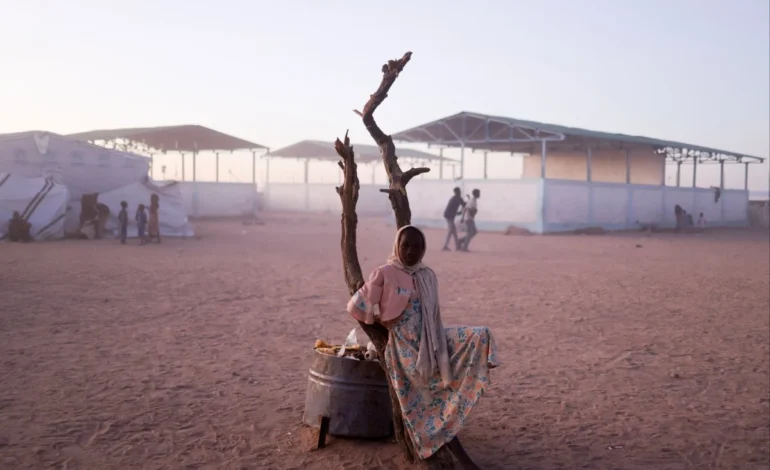
Sudan has once again been ranked as the world’s most severe humanitarian crisis, topping an international watch list for the third consecutive year as conflict continues to devastate the country and push millions deeper into desperation.
The International Rescue Committee said on Tuesday that Sudan leads its latest Emergency Watchlist, which identifies 20 countries most at risk of worsening humanitarian emergencies in 2026. The rankings highlight what the organisation described as an alarming concentration of human suffering in a small number of nations, driven by conflict, economic collapse, and shrinking international support.
Nearly two years into a brutal war, Sudan remains trapped in violence that has shattered daily life, destroyed infrastructure, and forced mass displacement. Millions of people are facing acute shortages of food, clean water, healthcare, and basic safety. Aid workers say access to vulnerable communities has become increasingly difficult, leaving many without assistance even as needs continue to rise.
The IRC warned that the situation in Sudan reflects a broader global trend. Humanitarian funding worldwide has dropped by around 50 percent over the past year, just as crises grow more complex and deadly. The organisation cautioned that the current year is on track to become the deadliest ever for humanitarian workers, underscoring the growing risks faced by those delivering aid.
Following Sudan, the occupied Palestinian territories ranked second on the watch list, with South Sudan placed third. Both face extreme humanitarian pressures linked to conflict, political instability, and economic hardship. Other countries identified as high risk include Ethiopia, Haiti, the Democratic Republic of Congo, Lebanon, and Ukraine, each grappling with overlapping challenges such as violence, displacement, and weakened state institutions.
Long running conflict zones also remain firmly on the list. Syria and Yemen, both scarred by more than a decade of war, continue to struggle with collapsed economies, widespread poverty, and fragile ceasefires that fail to bring lasting relief to civilians.
Although the 20 countries highlighted account for just 12 percent of the world’s population, the IRC said they represent an overwhelming share of global humanitarian need. An estimated 89 percent of people requiring assistance live in these countries, along with 117 million displaced individuals who have fled their homes due to violence or disaster.
Looking ahead, the organisation warned that these same countries are expected to host more than half of the world’s extremely poor by 2029 if current trends continue. The IRC described this trajectory as evidence of a profound shift in the global order, which it termed a New World Disorder. According to the group, the post World War Two international system built around rules, rights, and collective responsibility is being replaced by fragmentation, geopolitical rivalry, and declining solidarity.
The IRC urged governments and donors to reverse cuts to humanitarian funding and recommit to protecting civilians caught in conflict. Without renewed political will and financial support, the organisation said, crises like Sudan’s risk becoming even more entrenched, with devastating consequences for millions of lives.