CATL Introduces Humanoid Robots Into Core Manufacturing
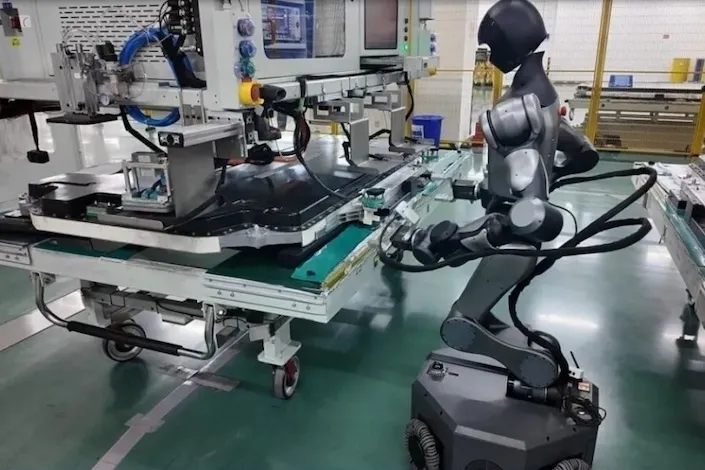
China’s largest electric vehicle battery producer has taken a significant step in industrial automation. Contemporary Amperex Technology, widely known as CATL, has begun deploying humanoid robots at scale across its Zhongzhou production base in Luoyang, located in Henan province. The move represents one of the most advanced uses of humanoid robotics yet seen in large scale manufacturing.
Rather than limited testing or pilot programs, CATL is integrating these robots directly into daily factory operations. The deployment reflects a shift from traditional automation toward more adaptable, human like machines capable of performing a wider range of tasks on the production floor.
Why CATL Is Turning to Humanoid Robots
Battery manufacturing is a complex process that demands precision, consistency, and speed. CATL operates at massive scale, supplying batteries to leading global electric vehicle brands. As production volumes rise and labor challenges grow, the company is seeking ways to maintain efficiency while reducing operational risk.
Humanoid robots offer flexibility that fixed industrial robots cannot. Designed to move, grasp, and operate in environments built for human workers, they can be reassigned across tasks without extensive reconfiguration. For CATL, this means greater responsiveness to production needs and fewer interruptions when workflows change.
Inside the Zhongzhou Production Base
The Zhongzhou facility is one of CATL’s key manufacturing hubs and plays a central role in meeting domestic and international demand. Introducing humanoid robots into this environment allows the company to automate tasks such as material handling, component movement, and routine inspection work.
These robots are designed to operate alongside human workers rather than replace entire teams. By handling repetitive or physically demanding activities, they reduce strain on staff and help maintain consistent production quality during long operating cycles.
A Signal of China’s Manufacturing Direction
CATL’s decision reflects a broader transformation underway in Chinese manufacturing. As labor costs rise and demographic pressures increase, companies are accelerating adoption of advanced robotics and artificial intelligence. Humanoid robots are increasingly viewed as a bridge between traditional automation and fully intelligent factories.
Unlike conventional robotic arms, humanoid systems can navigate shared spaces, use standard tools, and adapt to varied layouts. This makes them especially attractive for factories that need flexibility without rebuilding infrastructure from scratch.
Implications for the Global EV Supply Chain
As the world’s leading EV battery supplier, CATL’s manufacturing practices influence the broader supply chain. Greater automation can improve output stability and reduce delays, helping automakers manage production schedules more effectively.
The use of humanoid robots also raises expectations for manufacturing standards across the industry. Competitors may feel pressure to invest in similar technologies to remain cost competitive and resilient against labor shortages or operational disruptions.
Workforce Impact and Human Robot Collaboration
CATL has emphasized that humanoid robots are intended to complement human labor rather than eliminate it. Workers remain essential for supervision, decision making, and complex problem solving. Robots handle standardized tasks that benefit from endurance and consistency.
This collaborative model reflects a growing trend in advanced factories, where humans and machines share responsibilities. Training and upskilling workers to operate alongside intelligent systems is becoming a core part of industrial strategy.
A Defining Moment for Industrial Robotics
Deploying humanoid robots at scale marks a defining moment not only for CATL but for global manufacturing. It signals that humanoid systems are moving beyond demonstrations into practical, revenue generating environments.
For China’s industrial sector, the development reinforces its ambition to lead in both clean energy and advanced manufacturing technology. For the rest of the world, it offers a glimpse into how factories may increasingly operate as automation becomes more adaptive and human centered.