
A City Confronts Grief at the Turn of the Year
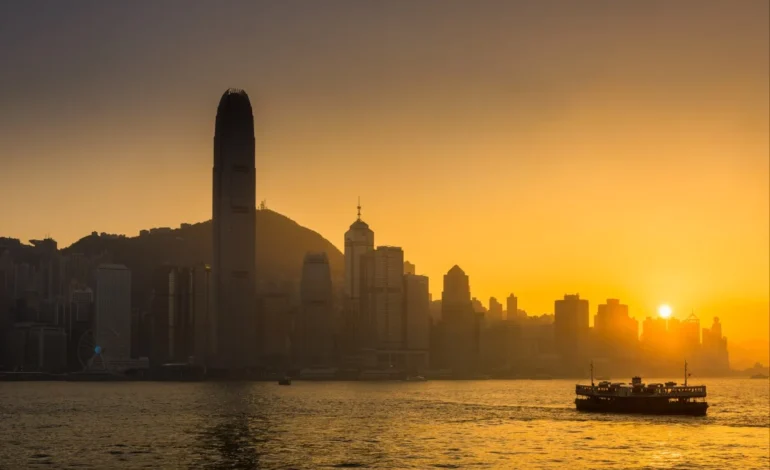
Hong Kong enters the New Year carrying the weight of one of the deadliest fires in decades. The Tai Po blaze has left a deep mark on the city, not only through the lives lost but through the emotional shock felt across communities. As investigations continue and arrests expand, the tragedy has reshaped how Hong Kong approaches remembrance, safety, and public celebration.
The decision to cancel the traditional New Year’s Eve fireworks reflects this somber reality. For many residents, the move symbolizes respect rather than loss, acknowledging that celebration cannot be separated from collective mourning.
The Tai Po Fire and Its Lasting Impact
The aftermath of the Tai Po fire continues to unfold as authorities widen the scope of arrests linked to the incident. Each development reinforces the seriousness of the tragedy and the need for accountability. Families of victims are seeking answers, while the broader public grapples with how such a disaster could occur.
Beyond legal responsibility, the fire has reopened conversations about building safety, emergency preparedness, and the protection of vulnerable populations. These discussions are likely to shape policy and public awareness long after headlines fade.
Cancelling Fireworks as a Symbolic Choice
New Year’s Eve fireworks have long been a defining feature of Hong Kong’s celebrations, drawing residents and visitors together along the harbor. Cancelling the display was not an easy decision, but it signaled sensitivity to the city’s emotional state.
For some, the absence of fireworks feels jarring. For others, it is a necessary pause. The choice reflects an understanding that public rituals carry meaning, and that restraint can sometimes speak louder than spectacle.
Balancing Mourning and Continuity
Hong Kong now faces the challenge of balancing grief with the need to move forward. While honoring the victims is essential, the city must also maintain social cohesion and a sense of continuity. Public life cannot stop indefinitely, yet neither can tragedy be brushed aside.
This balance is not about choosing sorrow over hope, but about allowing space for both. Smaller scale gatherings, quiet reflection, and community support have emerged as alternatives to large celebrations, offering ways to mark the New Year with dignity.
Public Sentiment and Collective Responsibility
Public response to the cancelled fireworks has largely reflected understanding, even among those who felt disappointment. Many residents recognize that shared responsibility includes emotional awareness, especially after a disaster that has shaken the city.
The tragedy has also highlighted how deeply interconnected Hong Kong’s communities are. When disaster strikes one district, the impact is felt citywide, reinforcing a collective sense of responsibility and empathy.
Safety and Trust in Public Spaces
One of the enduring consequences of the fire is renewed concern about safety in everyday spaces. Trust in buildings, venues, and public infrastructure is fundamental to urban life. The investigation and subsequent arrests will play a role in restoring that trust.
Authorities face pressure not only to identify wrongdoing but to demonstrate that lessons are being learned. Transparent communication and concrete reforms will be crucial in reassuring the public.
A New Year Defined by Reflection
As Hong Kong steps into the New Year, it does so with reflection rather than celebration at the forefront. This moment may redefine how the city understands public rituals, showing that restraint can coexist with resilience.
The tragedy will remain part of Hong Kong’s collective memory. How the city responds now, through compassion, accountability, and thoughtful balance, will shape not just the start of the year, but the values carried forward.
Holding Space for Healing
Ultimately, the choice to cancel fireworks is less about what was lost and more about what is being honored. Healing takes time, and collective acknowledgment is a vital first step.
Hong Kong’s decision reflects an effort to strike the right balance, respecting grief while keeping the city’s spirit intact. In doing so, it offers a quiet reminder that unity and empathy are as important as any celebration.



