Trump Justice Department Releases Partial Epstein Files, Stirring Political Backlash
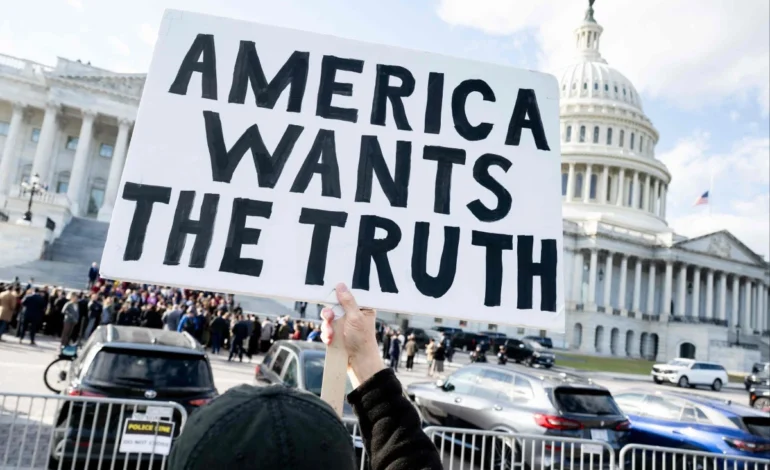
Limited disclosure fuels controversy
The United States Department of Justice has released only a partial set of documents related to its investigation into convicted sex offender and financier Jeffrey Epstein, a move that has immediately triggered political controversy. The disclosure, announced on Friday, has drawn intense scrutiny because it falls short of expectations among supporters of President Donald Trump, many of whom had anticipated a more comprehensive release after his return to office.
The decision has turned a long running legal and political issue into the first major point of internal division within Trump’s Make America Great Again support base during his second term. For years, Epstein’s case has been surrounded by speculation, conspiracy theories, and demands for transparency, making any official action highly sensitive.
Why only a partial release
According to officials, the Justice Department cited legal constraints as the reason for releasing only part of the Epstein related material at this stage. These include the need to protect victims, preserve ongoing investigative interests, and comply with court ordered confidentiality requirements. The department has indicated that additional documents could be released in the future, though no clear timeline has been provided.
This cautious approach reflects the complex legal environment surrounding the Epstein case. Many documents involve sensitive testimony, sealed court filings, and information about individuals who were never formally charged. Releasing such material without careful review could expose the government to legal challenges or cause harm to victims.
Political fallout within Trump’s base
Despite these explanations, the limited disclosure has frustrated segments of Trump’s core supporters. Some had expected a sweeping release that would reveal the full scope of Epstein’s network and any alleged connections to powerful figures. The perception that the administration is moving slowly or selectively has fueled accusations of backtracking on promises of transparency.
This reaction is notable because Trump’s support base has traditionally been highly unified around his leadership. The Epstein files, however, tap into deep mistrust of institutions and long held beliefs that elite wrongdoing has been concealed. As a result, even a partial release has become a flashpoint for internal debate.
The Justice Department’s balancing act
The US Department of Justice finds itself in a difficult position. On one hand, it faces public pressure to release information in the name of accountability. On the other, it must operate within legal boundaries and protect the integrity of ongoing or potential investigations.
Officials have emphasized that document disclosure is not a political act but a legal process governed by rules and precedents. Still, in a polarized environment, such assurances often struggle to gain traction with audiences who view the Epstein case through a political lens.
Epstein’s case and enduring public interest
Jeffrey Epstein’s crimes and death in custody have left a lasting mark on public consciousness. His ability to maintain high level connections while engaging in criminal behavior has raised broader questions about accountability among the wealthy and powerful. Each new development, no matter how incremental, reignites debates about whether the full truth has been revealed.
The partial release does little to settle these questions. Instead, it reinforces a sense that the story is unfinished and that critical details remain hidden behind legal and institutional barriers.
Implications for Trump’s second term narrative
The episode also carries implications for Trump’s broader political narrative. His return to office was accompanied by expectations that he would confront entrenched institutions and deliver transparency on controversial issues. The Epstein files were seen by some supporters as a test case for that promise.
How the administration handles future disclosures may influence perceptions of its willingness and ability to challenge established systems. A more complete release could ease tensions, while continued delays risk prolonging dissatisfaction among a vocal segment of the base.
What comes next
The Justice Department has suggested that more documents may be released in the coming months, depending on legal review and court approvals. Whether those releases will meet public expectations remains uncertain. For now, the partial disclosure has highlighted the gap between legal reality and political demand.
The Epstein files continue to occupy a unique space where law, politics, and public distrust intersect. As long as questions remain unanswered, each decision by the Justice Department will carry outsized political consequences, not only for the administration but for public confidence in the justice system itself.