China Surges Ahead in Humanoid Robotics Through Patent Power
China Establishes a Clear Lead in Robot Innovation
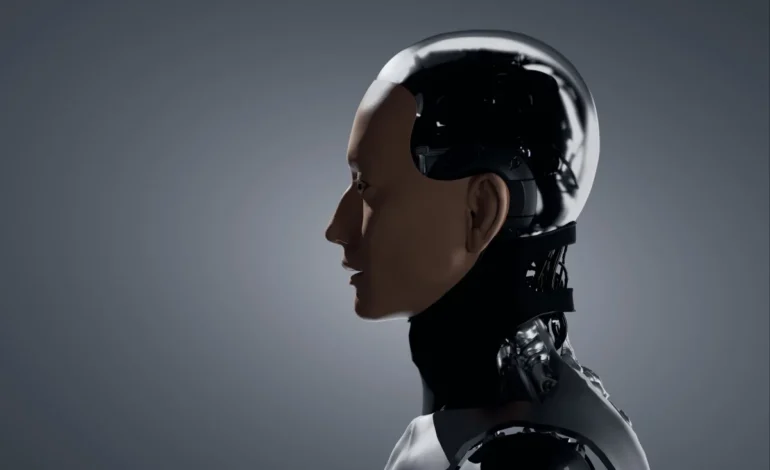
China has emerged as the dominant force in the global race to develop humanoid robots, pulling far ahead of other major economies through an aggressive push in intellectual property. Over the past five years, Chinese entities have filed and secured significantly more humanoid robot related patents than any other country. This growing patent lead highlights how China is translating long term industrial strategy into measurable technological advantage.
Patent Numbers Reveal a Widening Gap
According to the latest Robot Almanac published by Morgan Stanley, China recorded 7,705 humanoid robot patents over the last five years. By comparison, the United States registered 1,561 patents during the same period. Japan followed with 1,102 patents, placing it a distant third. The scale of China’s lead underscores how quickly its robotics ecosystem is expanding and how systematically innovation is being protected.
Why Patents Matter in Humanoid Robotics
Patents play a critical role in shaping future leadership in advanced robotics. Humanoid robots combine complex systems including sensors actuators artificial intelligence motion control and materials science. Securing patents across these areas gives companies long term leverage over manufacturing standards licensing revenue and supply chains. China’s growing patent portfolio suggests it is building not just prototypes but a defensible foundation for mass production and global deployment.
Industrial Strategy Behind the Numbers
China’s surge in patents reflects years of coordinated investment in robotics research and industrial automation. Universities startups and large manufacturers have been encouraged to file patents as part of national innovation targets. This approach aligns with broader goals to reduce dependence on foreign technology and move up the value chain from assembly to core intellectual ownership. Humanoid robots sit at the intersection of manufacturing AI and future labor systems making them strategically important.
United States and Japan Lose Relative Ground
While the United States remains strong in foundational AI and software, its lower patent count points to a more fragmented approach to humanoid robotics. Innovation often remains concentrated within a smaller number of firms and research labs. Japan, long known for robotics excellence, continues to innovate but appears to be losing momentum in humanoid specific filings. The contrast highlights differences in scale coordination and policy emphasis.
WIPO Reflects Global Research Activity
The data also includes filings recorded through the World Intellectual Property Organization, which accounted for around 1,100 humanoid related patents. WIPO serves as a channel for international patent cooperation and reflects cross border research efforts. Its presence in the rankings shows that humanoid robotics is increasingly global, even as national leaders emerge.
From Patents to Physical Robots
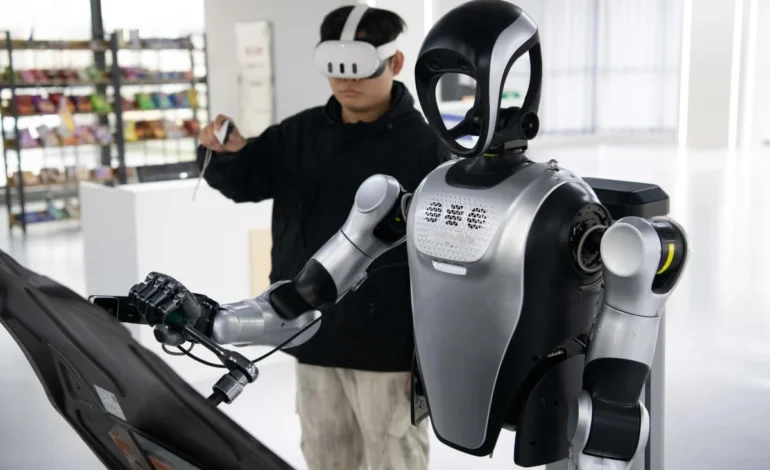
Patent dominance does not automatically translate into commercial success, but it significantly improves the odds. China is already moving from filings to factory floors, with humanoid robots appearing in logistics warehouses manufacturing lines and public demonstrations. The dense patent landscape makes it harder for competitors to replicate designs without licensing or redesign, potentially shaping global market dynamics over the next decade.
Strategic Implications for Global Competition
Humanoid robots are expected to play a growing role in aging societies labor intensive industries and service sectors. Control over core technologies could influence productivity national security and economic resilience. China’s patent lead positions it strongly as demand accelerates and standards begin to solidify. Countries trailing in filings may find themselves dependent on foreign platforms or forced into narrower niches.
A Signal of Long Term Ambition
The patent data sends a clear message about China’s ambitions. Rather than focusing only on near term applications, the country is building long horizon capabilities in robotics that could redefine how work and automation evolve. As humanoid robots move closer to real world deployment, intellectual property will be one of the most decisive battlegrounds.