
US Flags Chinese Semiconductor Push as Economic Risk While Delaying Tariff Impact Until 2027
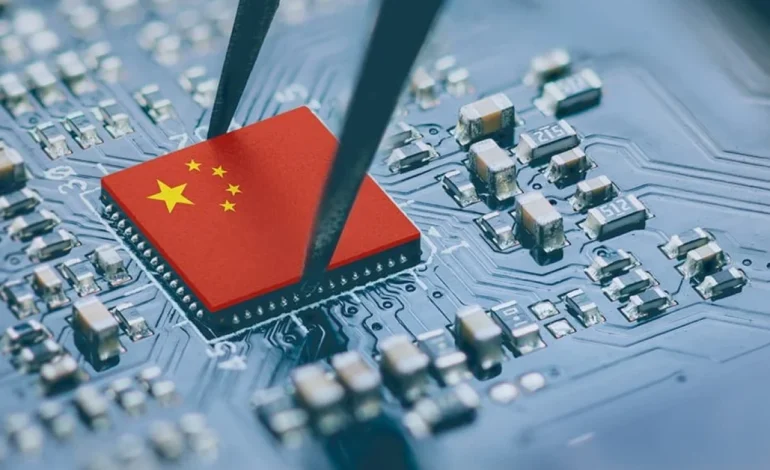
The United States has formally identified China’s semiconductor industry strategy as a significant economic risk, while postponing the full impact of new tariffs on Chinese chips until mid 2027. The decision reflects Washington’s growing concern over Beijing’s industrial policies, even as it leaves room for adjustment by businesses and global supply chains.
In a recent determination, the United States Trade Representative concluded that China’s drive to dominate the semiconductor sector is unreasonable and discriminatory, and that it poses a direct threat to US commercial interests. The findings were published through a notice of action filed with the Federal Register, giving them formal legal standing.
Under the announced measures, the United States will introduce tariffs on a broad range of semiconductors produced in China. However, the initial tariff rate will be set at zero percent. The rate is scheduled to increase after an 18 month transition period, with the higher level taking effect on June 23, 2027. The exact tariff rate will be disclosed at least 30 days before the deadline, giving companies time to prepare for the change.
The decision follows an investigation launched on December 23, 2024, which examined China’s policies governing its semiconductor industry. According to the trade probe, Beijing has relied on sweeping non market measures to rapidly expand its global market share while sidelining foreign competitors. The investigation found that China’s industrial planning extends across nearly every major link in the semiconductor supply chain, including chip design, fabrication, assembly, testing, and packaging.
US officials argue that these policies have distorted global supply chains and undermined fair competition. The trade representative’s office stated that China’s approach has led to lost sales for US firms, reduced innovation driven competition, and the emergence of economic dependencies that could be exploited for strategic leverage. Such dependencies, the notice warned, carry the risk of becoming weaponised in times of political or economic tension.
While the delayed tariff schedule suggests a measured approach, the determination signals a clear shift in tone. By labeling Chinese semiconductor practices as a systemic threat rather than a routine trade dispute, the US is laying the groundwork for more assertive policy action in the future. The move also aligns with broader efforts by Washington to protect domestic manufacturing, strengthen supply chain resilience, and limit exposure to geopolitical risks in critical technologies.
For global chipmakers and electronics manufacturers, the announcement adds another layer of uncertainty to an already complex operating environment. Although immediate costs will not rise, companies reliant on Chinese semiconductors may begin reassessing sourcing strategies ahead of the 2027 deadline. The outcome underscores how semiconductors remain at the center of economic competition between the world’s two largest economies, with long term implications for trade, technology, and industrial policy.



