Belarus Seeks to Balance Ties With the US and China While Remaining Tied to Russia
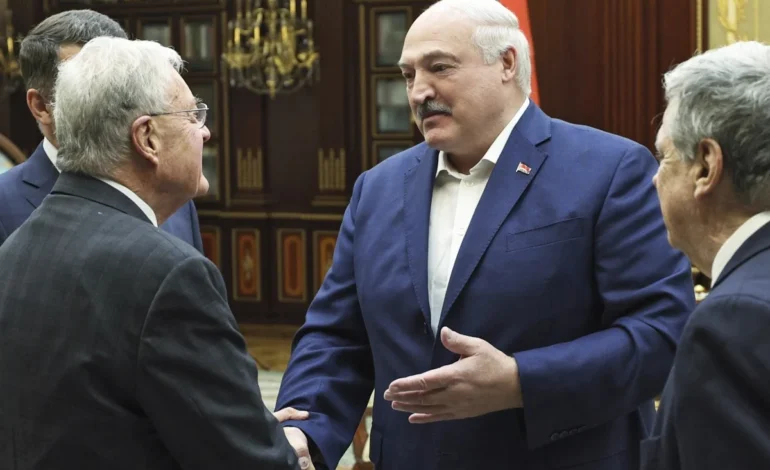
As Russia remains heavily engaged in the war in Ukraine, Belarus is cautiously attempting to reshape its foreign policy by improving relations with both the United States and China, while stopping short of breaking away from Moscow. For President Alexander Lukashenko, the strategy reflects a familiar attempt to revive a multi direction diplomatic approach that seeks flexibility without provoking his most powerful ally.
Alexander Lukashenko, now 71, has taken several steps in recent months that appear aimed at easing tensions with Washington. These gestures come as Belarus faces economic pressure from sanctions and growing dependence on Russia, a situation Minsk has long sought to avoid. Lukashenko has historically tried to balance relations between Moscow, Western capitals, and Beijing, adjusting his posture as geopolitical conditions shift.
Early this year, Lukashenko publicly praised Donald Trump and expressed support for his approach to ending the war in Ukraine. Soon after, Belarus released a group of political prisoners in what officials described as humanitarian moves. Among them was Siarhei Tsikhanouski, the husband of exiled opposition leader Sviatlana Tsikhanouskaya, a release that drew international attention.
In August, Lukashenko and Trump held a phone call in which they discussed bilateral relations, regional security, and the conflict in Ukraine. The following month, Belarus freed another group of detainees, including foreign nationals and opposition figure Mikola Statkevich. While Statkevich reportedly refused deportation and was returned to prison, the episode did little to slow the gradual warming between Minsk and Washington.
Signs of a potential diplomatic reset became clearer in September when Trump envoy John Coale suggested that the United States could reopen its embassy in Minsk and begin normalising political and economic ties. Such a move would mark a significant shift after years of strained relations following Belarus’s disputed 2020 presidential election and its indirect involvement in Russia’s invasion of Ukraine in 2022.
This month, further progress was signalled when Coale announced that Washington was prepared to lift sanctions on Belarusian potassium exports, a critical source of revenue for the country. In exchange, Belarus released 123 political prisoners, including Nobel Peace Prize laureate Ales Bialiatski and opposition leader Maria Kolesnikova. The releases were widely seen as part of a broader bargaining process rather than a fundamental political shift.
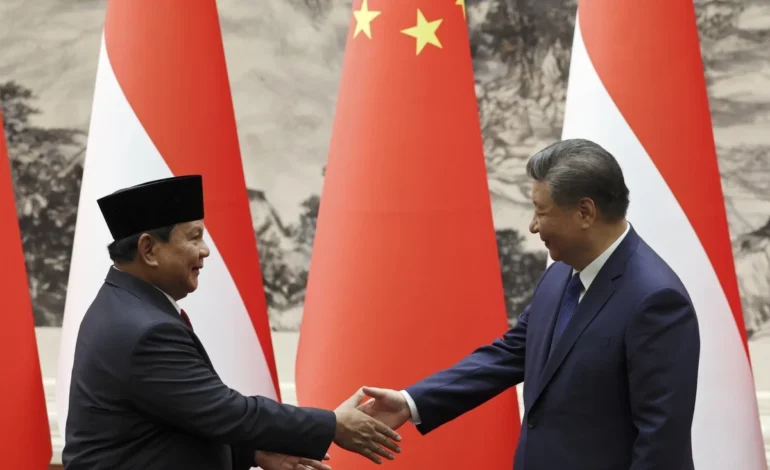
At the same time, Belarus continues to deepen ties with China, viewing Beijing as an economic partner that offers investment without political conditions. However, despite these outreach efforts, Belarus remains tightly bound to Russia through security agreements, energy dependence, and economic integration.
Analysts say Lukashenko’s strategy reflects pragmatism rather than realignment. While Minsk may succeed in slightly broadening its diplomatic options, geopolitical realities mean Belarus is unlikely to fully escape Moscow’s orbit. The coming months will test whether limited engagement with Washington and Beijing can provide Belarus with greater room to manoeuvre without triggering consequences from its closest ally.