China’s Zhipu AI Signals Stronger Push Toward Human-Level Intelligence While Keeping Models Open
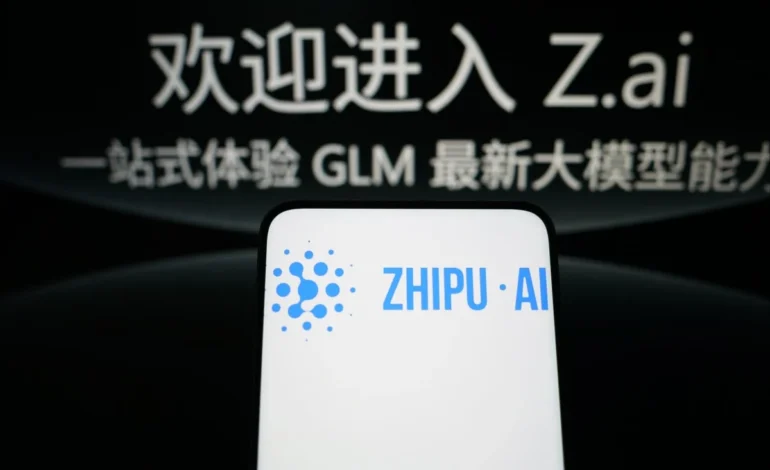
China’s artificial intelligence start up Zhipu AI has announced plans to significantly intensify its work toward artificial general intelligence while reaffirming its commitment to open source development, positioning itself as a more active participant in the global AI research community.
The company said it intends to expand its efforts in the coming year following the release of the latest version of its flagship GLM model series. Zhipu AI, which also operates internationally under the name Z.ai, has been steadily raising its profile beyond China as competition in advanced AI systems accelerates worldwide.
Speaking during an Ask Me Anything session hosted on Reddit, researcher Zheng Qinkai said the company plans to play a more meaningful role in the long term pursuit of artificial general intelligence starting in 2026. He described AGI as a central goal for the firm, signalling that Zhipu AI sees itself moving beyond incremental model upgrades toward broader reasoning and adaptability.
Artificial general intelligence refers to systems capable of matching human performance across a wide range of tasks rather than excelling in narrow applications. While AGI remains largely theoretical, it has become a defining ambition for leading AI developers globally, shaping investment decisions, research priorities and policy debates.
Zhipu AI also reiterated that it will continue releasing parts of its technology as open source, even after its initial public offering. This stance sets it apart from some competitors who have increasingly restricted access to their most advanced models. Company representatives said open source collaboration remains essential for accelerating innovation and building trust with researchers and developers worldwide.
The renewed emphasis on openness appears aimed at strengthening Zhipu AI’s ties with the international tech community. By engaging directly with developers on global platforms and sharing technical progress, the company is seeking to position itself as a serious contributor to the global AI ecosystem rather than a purely domestic player.
Industry observers say the move reflects a broader shift among Chinese AI firms toward greater international engagement, even as geopolitical tensions complicate technology cooperation. Open source releases allow companies to showcase technical capabilities while sidestepping some of the barriers associated with cross border commercial partnerships.
As competition intensifies between AI developers in China, the United States and Europe, Zhipu AI’s strategy highlights how emerging players are trying to balance ambition with openness. Whether its push toward human level intelligence translates into concrete breakthroughs remains to be seen, but the company’s messaging makes clear that it intends to be part of the global race shaping the future of artificial intelligence.