Israel Turns Air Defence Exports Into a Powerful Tool of Global Influence
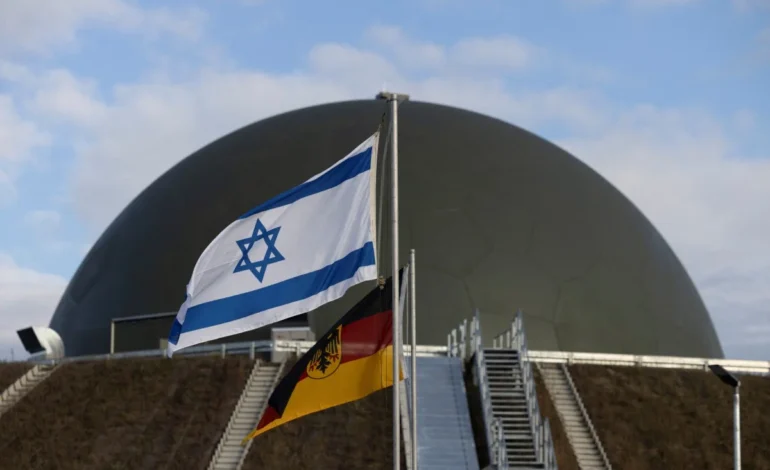
Israel’s rapidly expanding air defence exports are emerging as one of the country’s most effective foreign policy instruments, reshaping its international standing at a time of diplomatic strain over the war in Gaza. Analysts say the growing global appetite for Israel’s combat tested defence systems is extending the country’s influence far beyond the Middle East and locking in long term strategic relationships.
Demand for Israeli air defence technology has surged as conflicts in Europe, the Middle East and beyond have sharpened concerns about missile, rocket and drone threats. Countries across Europe, Asia and Africa have moved to acquire Israeli systems, attracted by their battlefield performance and the experience gained from years of real world deployment. These deals are now worth billions of dollars and continue to expand Israel’s footprint in global security markets.
For the government led by Prime Minister Benjamin Netanyahu, the exports have taken on added importance. Israel has faced mounting diplomatic pressure and criticism over its military campaign in Gaza, leading to strained relations with some traditional partners. Defence sales, however, have offered a way to counterbalance that isolation by making Israel indispensable to the security planning of its customers.
Unlike conventional arms sales, air defence systems require deep and lasting cooperation. They involve not only the delivery of hardware but also years of training, maintenance, software updates and operational coordination. This creates enduring ties between Israel and purchasing states, often spanning decades and surviving changes in political leadership.
Boyko Nikolov, founder of the strategic intelligence platform Hardpoint, describes these deals as far more than simple commercial transactions. According to him, exporting air defence represents the highest form of strategic alignment, amounting to a long term loyalty contract that binds buyers and suppliers together for as long as the systems remain operational.
European interest has been particularly strong as governments respond to heightened security concerns following Russia’s invasion of Ukraine. Several European states are reassessing their air defence capabilities and looking to diversify suppliers, with Israel positioned as a reliable partner offering proven solutions. Similar dynamics are playing out in parts of Asia and Africa, where drone and missile threats are increasingly seen as central security challenges.
Israeli officials argue that the exports benefit both sides. Customers gain advanced defensive capabilities, while Israel strengthens its economy and international leverage. Defence companies, many with close links to the state, also reinvest in research and development, reinforcing Israel’s reputation as a global hub for military technology innovation.
Critics, however, warn that the growing reliance on defence exports raises ethical and political questions, particularly as conflicts drive demand. They argue that arms sales can complicate diplomatic efforts and entangle Israel in regional disputes far from its borders.
Even so, analysts say air defence exports have become a cornerstone of Israel’s modern diplomacy. By embedding itself in the long term security planning of multiple countries, Israel is turning technology into influence and transforming military exports into one of its most potent tools on the global stage.