Inside the Harsh Reality Faced by Child Recruits in an African Rebel Militia
Two young boys who were forcibly recruited by a shadowy rebel group linked to the so called Islamic State have described the suffering and fear they endured inside militant camps in northeastern Democratic Republic of Congo, offering a rare glimpse into the lives of children trapped by armed violence.
The minors, who were later freed from the Allied Democratic Forces, shared their experiences with Agence France Presse, revealing what they described as relentless torment. Their accounts shed light on how the group, infamous for its extreme brutality, continues to recruit children and expose them to violence in conflict zones.
One of the boys, Paluku, is just 12 years old. Frail and visibly traumatised, he said he was held by the rebels for two months after fighters stormed his village in eastern North Kivu. During the attack, his mother was killed, and his brother and sister were also taken captive. Paluku said the sudden loss of his family and the forced march into the forest marked the beginning of a terrifying ordeal.
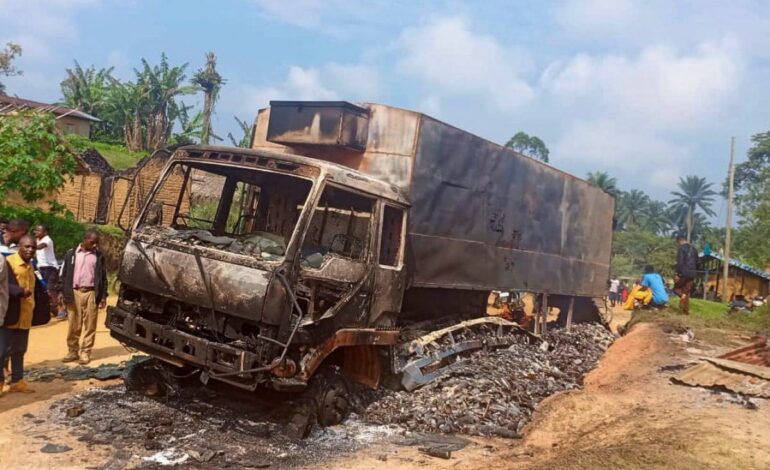
According to the boys, life inside the camps was defined by fear, hunger and constant violence. Children were forced to carry supplies, obey strict rules and witness acts of extreme cruelty. They said beatings were common and that anyone who disobeyed orders risked severe punishment. The boys also described hearing gunfire and screams during attacks carried out by the group on nearby communities.
The Allied Democratic Forces, which originated in Uganda but now operates mainly in eastern Congo, has in recent years pledged allegiance to Islamic State. The group has been blamed for massacres of civilians, including women and children, and for spreading insecurity across a region already scarred by decades of conflict.
Human rights groups say the testimonies highlight a wider pattern of abuse in which armed groups deliberately target children because they are easier to control and less able to escape. Once recruited, many children struggle to return to normal life even after being freed, carrying deep psychological scars from what they have seen and endured.
Local authorities and aid organisations say reintegration remains a major challenge. Former child recruits often require long term medical care, counselling and protection from stigma within their communities. In areas like North Kivu, where violence is ongoing, the risk of re recruitment remains high.
For Paluku and others like him, survival is only the first step. Their stories serve as a stark reminder of the human cost of conflict in eastern Congo and the urgent need for stronger protection for children caught in the crossfire of armed violence.