US airlines cancel more than 1,000 flights due to winter storm Devin
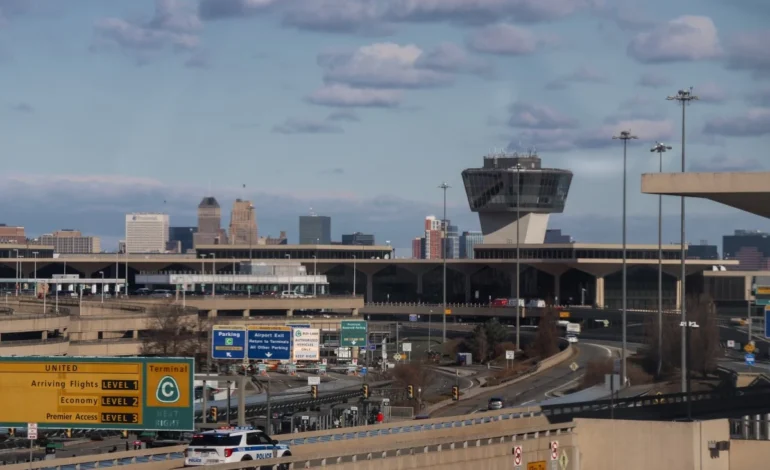
Severe weather disrupts peak holiday travel
A powerful winter storm sweeping across the United States has caused widespread disruption to air travel, forcing airlines to cancel more than one thousand flights during one of the busiest travel periods of the year. Winter storm Devin brought heavy snowfall, strong winds, and icy conditions that made airport operations unsafe in several regions, according to data from the flight tracking website FlightAware.
The disruption came at a particularly sensitive moment as millions of Americans were travelling for the holidays. Airports that normally operate at full capacity during this period were left struggling to maintain schedules amid rapidly deteriorating weather conditions.
Airlines struggle to maintain schedules
Major airlines across the country were affected as storm conditions moved through key travel corridors. In addition to cancellations, thousands of flights were delayed as aircraft were held on the ground waiting for weather clearance or de icing procedures. Some passengers experienced cascading delays as crews and aircraft were displaced from their original routes.
Airlines said safety considerations left them with little choice but to ground flights. Strong crosswinds and poor visibility made takeoffs and landings risky, while snow accumulation slowed ground operations such as baggage handling and refueling.
Airports hit hardest by the storm
Airports in the Midwest and Northeast bore the brunt of the storm’s impact, though ripple effects were felt nationwide. When major hubs slow down, the entire network feels the strain, even in regions not directly affected by the weather.
Runway closures and reduced air traffic control capacity further compounded the problem. In some cases, airports temporarily halted arrivals, leaving inbound flights circling or diverting to alternative locations.
Holiday travelers face frustration
For travelers, the storm turned holiday plans into stressful ordeals. Long lines formed at customer service desks as passengers sought rebooking options, while others waited hours for updates. Hotel availability near airports quickly tightened as stranded travelers searched for overnight accommodation.
Families travelling with children and elderly passengers were among those most affected, highlighting the human cost of large scale weather disruptions. Many travelers expressed frustration but also resignation, acknowledging that weather related cancellations are unavoidable.
Airlines activate contingency plans
Airlines activated irregular operations plans designed for extreme weather scenarios. These included offering flexible rebooking policies, waiving change fees, and providing travel credits in some cases. Customer service teams were expanded both at airports and online to manage the surge in inquiries.
However, industry experts note that winter storms often overwhelm even well prepared systems. Crew scheduling rules, aircraft positioning, and airport capacity limits can take days to normalize after a major disruption.
Broader challenges for the aviation sector
The storm highlights ongoing vulnerabilities in the aviation sector during peak seasons. High passenger volumes leave little slack in schedules, meaning any disruption can quickly escalate. Weather events, which are becoming more frequent and intense in some regions, pose an increasing operational challenge.
Airlines have invested in predictive tools and weather monitoring, but there are limits to how much planning can offset severe conditions. Safety remains the overriding priority, even when the economic and reputational costs are significant.
What passengers can expect next
As storm Devin moves eastward, airlines expect gradual improvement in conditions, though delays may persist as crews and aircraft are repositioned. Passengers are advised to monitor flight status closely and allow extra time for travel over the coming days.
Experts recommend that travelers remain flexible and take advantage of airline alerts and mobile apps for real time updates. Those with non urgent travel plans may choose to postpone until schedules stabilize.
A reminder of winter travel realities
The wave of cancellations serves as a reminder of the challenges that winter weather poses to modern air travel. While technology and logistics have improved, nature can still disrupt even the most complex systems.
As the holiday season continues, airlines and passengers alike are hoping for calmer skies ahead, but the experience underscores the importance of preparation, patience, and clear communication when severe weather strikes.