Master Puppeteers Lead a Vibrant Blend of Tradition and Innovation at Hong Kong’s Chinese Culture Festival
Hong Kong’s annual Chinese Culture Festival has once again demonstrated the enduring appeal of traditional arts while embracing contemporary creativity, drawing nearly one million visitors and reaffirming the city’s role as a cultural bridge between heritage and modern expression.
This year’s festival featured more than 290 performances across multiple venues, combining time honoured forms such as classical music, opera and puppetry with modern stage design, multimedia elements and experimental collaborations. Organisers said attendance reached about 960,000, reflecting strong public interest in programmes that honour the past while speaking to present day audiences.
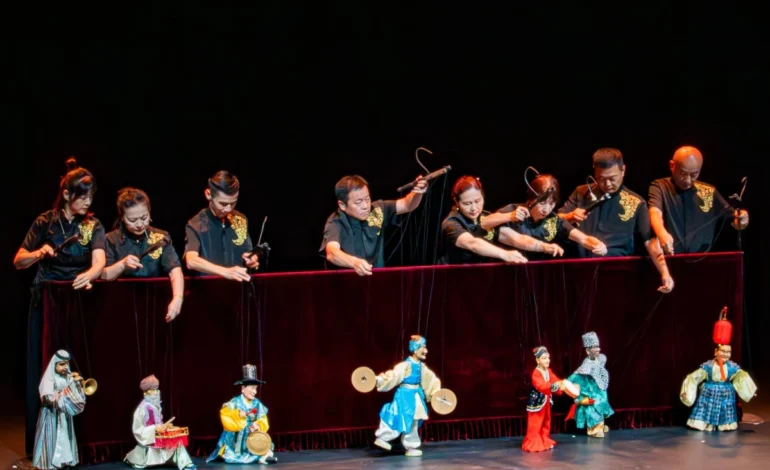
Among the most popular attractions were performances by master puppeteers, whose shows highlighted the depth and adaptability of one of China’s oldest performing arts. Using finely crafted figures, precise movements and storytelling techniques passed down through generations, artists captivated audiences while also introducing subtle modern twists. In some performances, traditional puppetry was paired with contemporary lighting, music and narrative themes, creating a fresh experience without losing its cultural roots.
The festival’s curators said this balance was intentional. By placing ancient art forms alongside innovative interpretations, the programme aimed to show that cultural heritage is not static but evolving. Younger audiences in particular were drawn to productions that blended familiar traditions with visual technology and new creative approaches, helping to ensure these art forms remain relevant.
The event is part of a broader effort to strengthen cultural awareness and appreciation in the city. Hosted across theatres, community spaces and outdoor stages in Hong Kong, the festival brought performances directly to diverse neighbourhoods, making heritage accessible to families, students and visitors alike. Many shows were accompanied by workshops and talks, giving audiences a deeper understanding of the skills and history behind the performances.
Organisers of the Chinese Culture Festival said the strong turnout shows there is a growing appetite for cultural experiences that respect tradition while embracing innovation. They noted that artists were encouraged to experiment, as long as the core spirit and techniques of the original art forms were preserved.
Cultural observers say the festival reflects a wider trend in Chinese arts, where preservation and reinvention go hand in hand. Rather than presenting heritage as something distant or museum bound, events like this frame it as living culture that can adapt to changing tastes and technologies.
For performers, the festival offered both recognition and opportunity. Veteran artists shared stages with younger practitioners, allowing skills and ideas to pass between generations. This exchange was particularly visible in puppetry, where seasoned masters mentored emerging artists exploring new themes and formats.
As the festival concluded, organisers said its success lay in proving that tradition and innovation are not opposing forces. Instead, when carefully combined, they can amplify each other, creating performances that honour history while resonating strongly with contemporary audiences.