China and United States Must Find New Channels for Dialogue to Stabilise Relations, Wang Yi Says
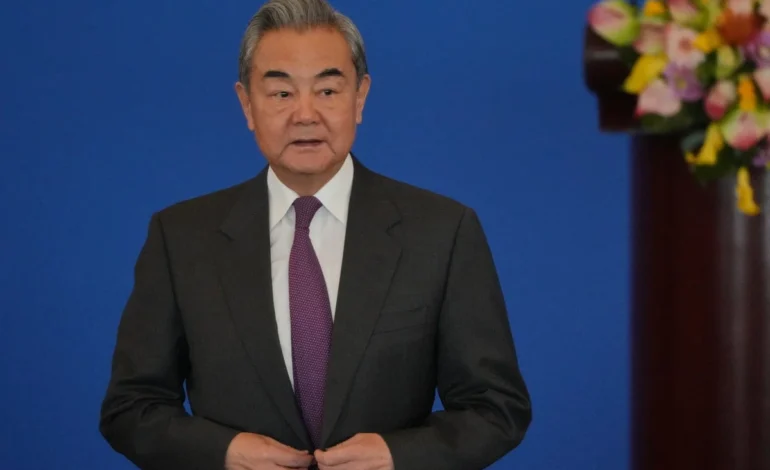
China and the United States need to explore fresh ways of communicating if they are serious about stabilising their often tense relationship, Chinese Foreign Minister Wang Yi said during a policy symposium held in Beijing. His remarks come at a time when ties between the world’s two largest economies remain strained by strategic rivalry, regional security concerns and growing mistrust.
Addressing diplomats and policy advisers, Wang said that China remains committed to maintaining overall stability in its relationship with the United States, but warned that this would require more than routine exchanges or crisis management. He argued that both sides must adapt their engagement mechanisms to reflect new global realities, including rapid technological change, shifting power dynamics and shared challenges such as climate change and global security.
Wang stressed that dialogue should be built on mutual respect and a clear understanding of each other’s core interests. He said that without genuine efforts to listen and adjust policies, misunderstandings could deepen and increase the risk of confrontation. According to him, China is willing to keep communication channels open, but expects Washington to approach relations in a more pragmatic and less confrontational manner.
The foreign minister also touched on regional security issues, with particular emphasis on the Taiwan question. He reiterated Beijing’s long standing position that Taiwan is an internal matter for China and warned against external interference that could undermine peace and stability in the region. Wang said that attempts by foreign leaders to make statements or take actions related to Taiwan only add tension and complicate efforts to improve relations.
In this context, Wang criticised comments made by Japanese Prime Minister Sanae Takaichi regarding Taiwan. He said such remarks were irresponsible and ignored the sensitivity of the issue. Wang urged Japan to reflect carefully on its words and actions, warning that missteps could harm regional trust and stability.
Analysts say Wang’s comments reflect Beijing’s broader diplomatic strategy of signalling openness to dialogue while firmly defending its red lines. In recent months, China and the United States have resumed some high level contacts, but progress has been uneven as disputes continue over trade, technology restrictions and security alliances in the Asia Pacific.
Observers note that calls for new forms of engagement suggest recognition in Beijing that traditional diplomatic frameworks may no longer be sufficient. Informal talks, expanded people to people exchanges and cooperation on global issues are increasingly seen as possible ways to prevent further deterioration in ties.
Despite ongoing disagreements, Wang said both countries share a responsibility to manage their differences and avoid conflict. He concluded that stable China US relations are not only in the interests of the two nations, but also essential for global peace and economic stability.