China Sets Up New Oversight Body for Buddhist Clergy After ‘CEO Monk’ Scandal
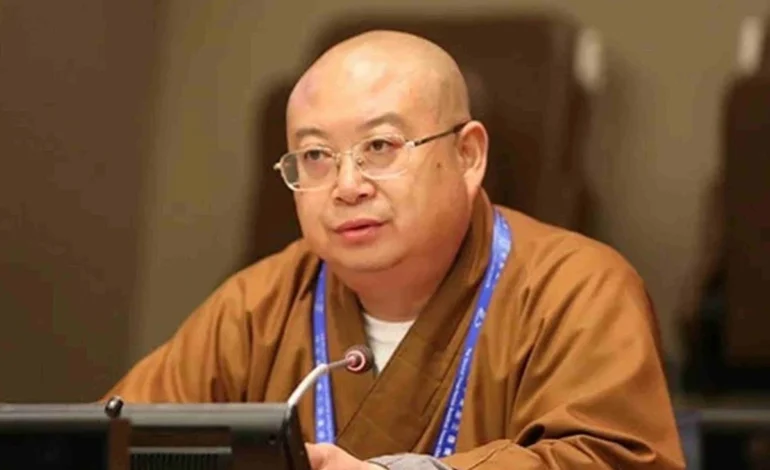
China has created a new national supervisory body to oversee the conduct of Buddhist clergy, moving to tighten control over religious institutions following a high profile scandal that shook public confidence in the country’s monastic community. The decision comes less than six months after the dramatic fall of the former Shaolin Temple abbot known online as the “CEO monk”.
The move was announced this week by the Buddhist Association of China, which confirmed it has established its first board of supervisors to strengthen internal governance. The announcement followed the conclusion of the association’s 11th national congress in Beijing, where senior officials and religious representatives gathered to discuss the future direction of Buddhism in China.
Shi Zhengci, the abbot of Wuzu Temple in Huangmei county in Hubei, was elected as chairman of the newly formed board of supervisors. According to the association, the body will be responsible for monitoring the behaviour, discipline and ethical standards of Buddhist monks nationwide, marking a significant change in how religious affairs are internally regulated.
The establishment of the oversight body follows mounting scrutiny of religious organisations after the abrupt removal of former Shaolin Temple abbot Shi Yongxin. Shi, who built a global profile by commercialising Shaolin culture through business ventures and international branding, was dismissed amid allegations of embezzlement, bribery and serious violations of Buddhist principles. The scandal sparked widespread debate in China about money, power and morality within religious institutions.
During the congress, senior Chinese official Wang Huning, who ranks among the country’s top leaders, urged the association to exercise what he described as comprehensive and rigorous governance over Buddhism. He stressed the need for religious groups to adhere to discipline, maintain moral authority and align with broader national objectives.
Observers say the creation of the supervisory board reflects Beijing’s determination to prevent similar scandals from emerging and to reinforce state oversight of religion. While religious organisations in China are already closely regulated, the new body signals an effort to introduce more structured internal accountability rather than relying solely on external intervention after problems arise.
Public reaction to the move has been mixed. Some see it as a necessary step to restore trust in Buddhist institutions after the damage caused by the Shaolin scandal. Others question whether tighter supervision will address deeper issues related to commercialisation and the growing financial influence of prominent temples.
Analysts note that Buddhism holds a unique position in China as both a religious tradition and a cultural symbol. High profile cases involving monks can therefore carry social and political consequences that go beyond religion itself. By formalising oversight, authorities appear keen to ensure that monks present an image of discipline and integrity consistent with official expectations.
The Buddhist Association of China said the new supervisory board will focus on ethical conduct, financial transparency and adherence to religious teachings. Further details on its powers and enforcement mechanisms have not yet been disclosed.
As China continues to reshape the governance of religious life, the creation of this new oversight body highlights how closely faith, politics and public perception are intertwined. For many believers, the effectiveness of the reform will ultimately be judged by whether it helps rebuild confidence in the moral foundations of the monastic community.