US Rolls Out Health Agreements in Africa as Washington and Beijing Compete for Influence
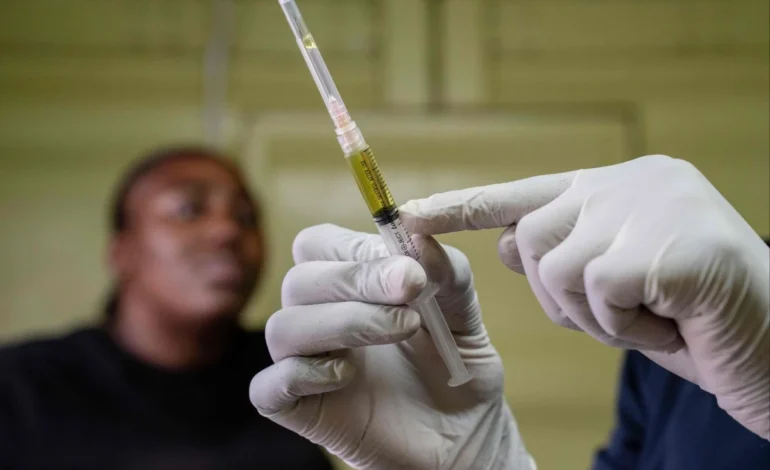
The United States is advancing a series of new health cooperation agreements across Africa as it intensifies efforts to expand its influence on the continent amid growing competition with China. The deals, focused on disease surveillance and outbreak response, are designed to strengthen early warning systems while also securing faster access to critical health data for Washington.
According to officials familiar with the agreements, participating countries are required to commit to sharing genetic sequence data and biological samples linked to potential disease outbreaks with the United States within five days of detection. Supporters of the initiative say the measure is essential for rapid global response to emerging health threats, while critics argue it raises concerns about data sovereignty and unequal access to scientific benefits.
The push comes as both Washington and Beijing seek deeper partnerships across Africa, where public health systems are under pressure from population growth, climate related disease risks and limited resources. Health cooperation has increasingly become a strategic tool, alongside infrastructure, trade and security assistance.
US officials say the agreements aim to improve preparedness by linking African laboratories more closely with American research institutions and public health agencies. By speeding up the exchange of genetic information, scientists can more quickly identify dangerous mutations, develop diagnostic tools and begin work on treatments or vaccines.
The effort is being led by agencies linked to the United States government, with support from research bodies and public health institutions. American officials stress that the agreements include funding, training and technology transfers intended to strengthen local capacity rather than extract resources.
However, the requirement to share data within a fixed five day window has prompted debate among health experts and policy analysts. Some African officials privately question whether their countries will receive equal access to resulting medical breakthroughs, such as vaccines or therapies developed using shared samples. Similar concerns emerged during the Covid pandemic, when some developing nations argued that they provided crucial data but were last in line for vaccines.
China has taken a different approach to health diplomacy in Africa, focusing on hospital construction, medical teams and pharmaceutical manufacturing. Beijing has expanded partnerships through long term infrastructure investments and joint ventures, often framing its engagement as part of broader development cooperation.
As a result, health initiatives are increasingly seen through a geopolitical lens. Analysts say Washington’s emphasis on rapid data sharing reflects lessons learned from recent global health crises, but also highlights strategic anxiety about being excluded from early information in regions where China’s influence has grown.
African governments face a delicate balancing act. Improved disease surveillance and access to funding are urgently needed, yet leaders are wary of agreements that could limit their control over sensitive biological data. Public trust is also a factor, particularly in communities where past medical research has left lasting suspicion.
US officials insist the agreements respect national laws and international norms, arguing that faster data sharing ultimately benefits all countries by reducing the risk of global pandemics. They say transparency and speed are essential in a world where outbreaks can spread across borders in days.
The new health deals underscore how competition between the United States and China is reshaping engagement with Africa beyond traditional diplomacy. From ports and power plants to hospitals and laboratories, influence is increasingly built through practical cooperation. In this contest, health security has become both a shared necessity and a strategic asset.