Putin Tells Russians Victory in Ukraine Is Inevitable in New Year Address
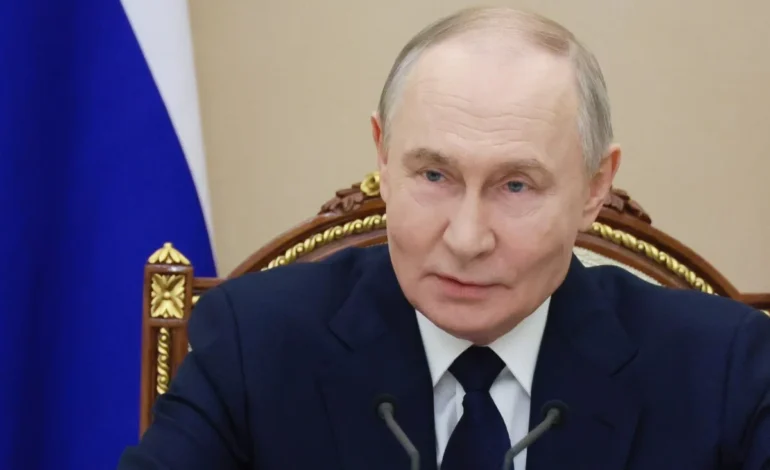
Russian President Vladimir Putin used his traditional New Year’s address to declare confidence that Russia will prevail in Ukraine, offering a message of resolve as the conflict approaches its fourth year.
The speech was broadcast on Wednesday evening, first airing in Russia’s far eastern Kamchatka peninsula, the earliest region in the country to welcome 2026. As in previous years, the address was carefully timed to reach different time zones as midnight approached, making it one of the most widely watched political moments of the year.
Speaking against a formal backdrop, Putin praised Russian soldiers fighting in Ukraine, urging the public to stand behind what he described as national heroes. He told viewers that the country believed in its forces and in eventual victory, framing the war as a defining test of unity and perseverance.
“We believe in you and our victory,” Putin said, calling on Russians to continue supporting troops on the front lines. His remarks echoed themes repeated throughout the conflict, including sacrifice, patriotism and the idea that Russia is defending its historical and strategic interests.
The address came as fighting continues along multiple fronts in Ukraine, with no comprehensive peace agreement in sight. Russian forces have maintained pressure in eastern and southern regions, while Ukraine has relied heavily on Western military and financial support to sustain its defence. Casualties remain high on both sides, and the war has reshaped security dynamics across Europe.
Putin did not outline new military objectives or timelines in his speech, instead focusing on morale and national cohesion. Analysts say this reflects an effort to reassure the domestic audience as the conflict drags on longer than initially anticipated. By emphasising belief and endurance rather than rapid gains, the Kremlin appears to be preparing the public for a prolonged struggle.
The New Year address also avoided direct mention of Western countries, though the broader context of Russia’s confrontation with NATO and the United States remains central to the war narrative promoted by Moscow. Russian officials have repeatedly argued that the conflict is not only about Ukraine, but about resisting what they describe as Western encroachment and influence.
For many Russians, the annual speech is both symbolic and personal, traditionally marking a moment of reflection and hope. Since the war began, however, it has taken on added weight, serving as a platform for reinforcing official messaging and justifying the ongoing military campaign.
Reactions to the address were mixed. Supporters of the Kremlin praised the message as a show of strength and confidence, while critics, both inside and outside Russia, argue that such rhetoric overlooks the human cost of the war and the growing economic and social pressures facing the country.
Internationally, Putin’s comments are unlikely to alter diplomatic positions. Western leaders continue to back Ukraine, while calls for negotiations remain complicated by deep mistrust on all sides. As the war enters another year, the gap between official optimism and battlefield realities remains a central feature of the conflict.
As 2026 begins, Putin’s message signals continuity rather than change. The Kremlin’s position remains firm, with victory presented as inevitable and national unity as essential. Whether that message resonates in the months ahead may depend not only on words, but on developments on the ground and the wider geopolitical landscape.