CIA Linked to Drone Strike on Venezuelan Facility as Pressure on Maduro Intensifies
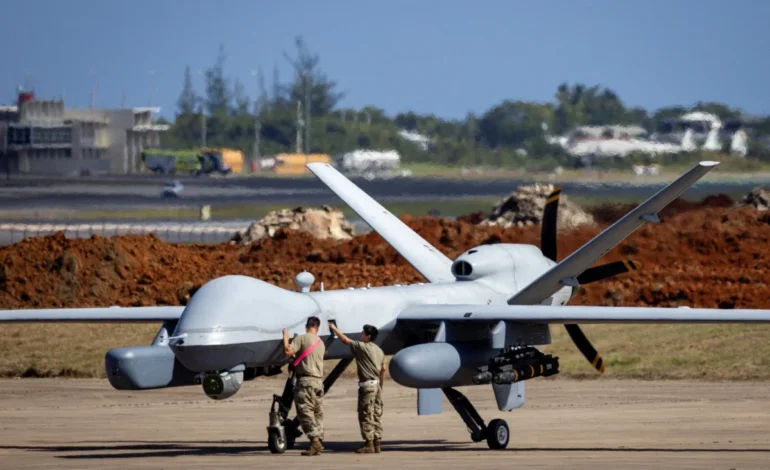
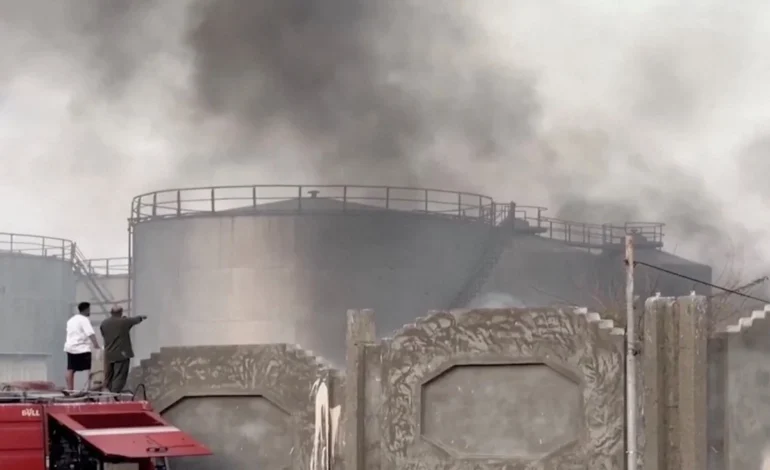
A drone strike on Venezuelan territory last week that damaged a large coastal facility was carried out by the CIA, according to two sources familiar with the classified operation, marking a notable escalation in United States action against the government of President Nicolás Maduro.
The strike reportedly targeted a docking area believed to have been used by Venezuelan drug cartels for maritime trafficking. While the facility has not been publicly identified, sources described it as a major logistical hub connected to shipping activity along Venezuela’s coastline. Venezuelan authorities have not officially acknowledged the incident, and no public details have been released about damage assessments or casualties.
If confirmed, the operation would represent the first known direct US action on Venezuelan soil since Washington began a new wave of pressure measures in September. Those measures have included targeted sanctions, diplomatic isolation and increased regional security coordination aimed at curbing narcotics trafficking and weakening Maduro’s grip on power.
The drone strike is said to have been carried out quietly, without prior public notice, reflecting the sensitivity of operating inside Venezuela. US officials have declined to comment on the reports, citing intelligence confidentiality. The CIA itself does not confirm or deny operational activity.
The existence of the strike was indirectly referenced by US President Donald Trump during a radio interview on Friday. Speaking with businessman and broadcaster John Catsimatidis on WABC in New York, Trump said the United States had taken out what he described as a big facility linked to ships. While he did not mention Venezuela by name, sources say his remarks referred to the same operation.
Analysts say the strike signals a shift from indirect pressure to more assertive action. For months, Washington has accused the Venezuelan government of allowing drug trafficking networks to operate with impunity, allegations that Caracas strongly denies. Maduro’s administration has consistently described US actions as illegal interference and violations of national sovereignty.
The timing of the strike is also significant. Venezuela continues to face deep economic crisis, political isolation and internal divisions, while regional governments watch closely for signs of instability that could trigger further migration or security spillover. A covert strike raises concerns about miscalculation or retaliation, particularly if future operations become more visible.
Regional security experts say drone operations offer Washington a way to apply pressure while limiting risk to US personnel. However, they warn that even limited strikes can carry diplomatic consequences, especially if civilian infrastructure or non combatants are affected.
So far, there has been no public response from Maduro or senior Venezuelan officials. State media has remained silent on the reported strike, focusing instead on domestic issues and criticism of US sanctions.
The operation underscores the increasingly complex nature of US Venezuela relations, which have moved beyond economic measures into the realm of covert and kinetic action. Whether this marks the beginning of a broader campaign or a one off signal remains unclear.
As pressure mounts, observers say the key question is whether such actions will weaken Maduro’s position or further entrench his narrative of external aggression. For now, the drone strike has added a new and volatile dimension to an already strained relationship.