How a Widow’s Restaurant Keeps the Memory of a Local Hero Alive
A Restaurant Built on Memory and Courage
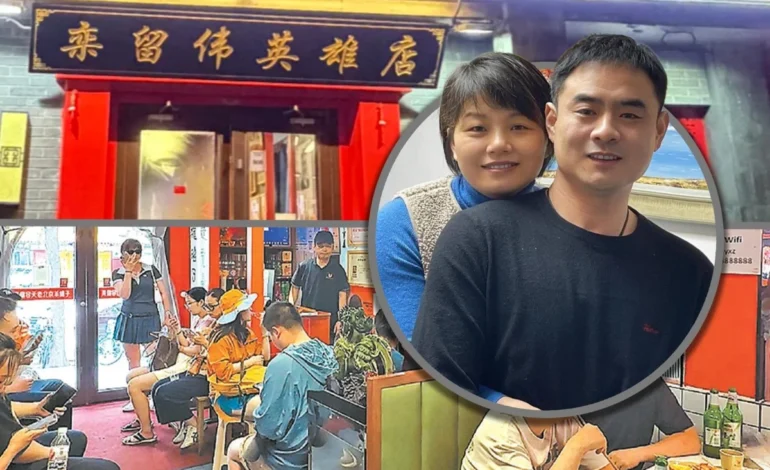
In a quiet Chinese town, a small restaurant has become more than just a place to eat. It stands as a living tribute to a man remembered not for wealth or status, but for an act of extraordinary courage. The eatery is now run by his widow, who chose to keep it open after her husband lost his life saving children from drowning. With steady support from the local community, the restaurant has grown into one of the area’s top ranked dining spots, drawing patrons not only for its food but for the story it carries.
For customers, stepping inside feels like entering a shared space of remembrance. For the widow, every day behind the counter is a quiet act of resilience.
The Day That Changed Everything
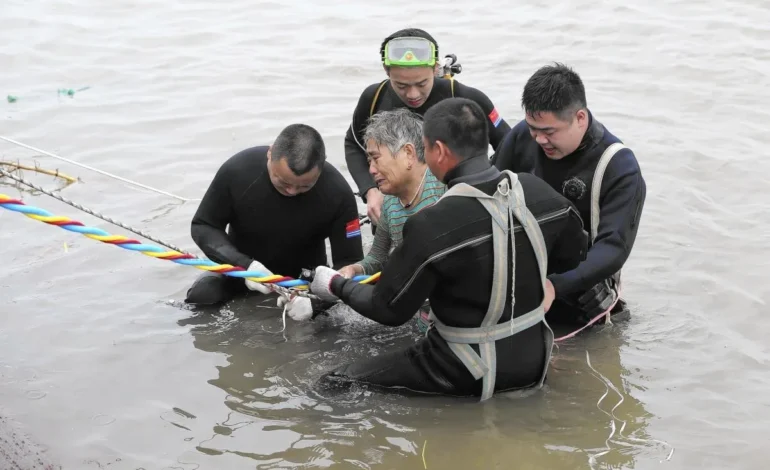
The man at the center of this story was known locally as kind and dependable, someone who never hesitated to help others. That reputation became painfully real when he saw children struggling in a river. Without stopping to consider his own safety, he jumped in to save them. The children survived. He did not.
His sudden death shocked the community. What might have become a private tragedy instead became a collective one. Neighbors, customers, and strangers alike were moved by the selflessness of his actions.
Carrying On Through Loss
After the funeral, the future of the family restaurant was uncertain. Running it alone while grieving seemed overwhelming. Yet the widow decided to continue, seeing the eatery as a way to honor her husband’s life rather than retreat from it.
She returned to the kitchen and dining room with mixed emotions. The space held memories of shared work, laughter, and plans that would never be fulfilled. Still, closing the doors felt like losing him a second time.
A Community Steps Forward
What happened next revealed the depth of local support. Residents made a point of eating at the restaurant, often bringing friends and relatives. Some left notes of encouragement. Others helped with supplies, promotion, or simple gestures of kindness.
Word spread quickly. The restaurant became known not only for its dishes but for the story behind them. Customers said they wanted to support the family and keep the memory of the hero alive.
Food as a Bridge Between Strangers
As business grew, the widow found herself sharing memories with patrons. Many asked about her husband, his character, and the day he saved the children. These conversations, though emotional, became a source of strength.
Food turned into a bridge between strangers. People who had never met her husband felt connected to him through stories told over shared meals. The restaurant became a place where grief, gratitude, and everyday life quietly coexisted.
Recognition Without Spectacle
Unlike grand memorials or official ceremonies, this tribute is modest and personal. There are photos on the wall and a few handwritten notes from customers, but no dramatic display. The focus remains on warmth, sincerity, and continuity.
For the widow, this simplicity matters. She does not see the restaurant as a monument, but as a continuation of ordinary goodness, the same spirit that led her husband to act without hesitation.
Healing Through Routine and Purpose
Running the restaurant provides structure and purpose during a time of loss. The daily rhythm of cooking, serving, and talking with customers offers moments of normalcy. Over time, pain has not disappeared, but it has softened around shared effort and support.
The widow says that knowing her husband is remembered for saving lives gives meaning to her work. Each satisfied customer feels like a quiet acknowledgment of his legacy.
A Legacy That Lives On
The story of the brave Good Samaritan now lives on through the restaurant’s success and the community that sustains it. His courage is not frozen in a single tragic moment but woven into daily life through shared meals and ongoing kindness.
As long as the doors remain open, his memory remains present. In this small eatery, heroism is remembered not through grand words, but through resilience, solidarity, and the simple act of coming together at the table.