How a Fatal Exorcism Case Sparked Debate Over Faith Mental Health and Law in China
A Tragedy Rooted in Misguided Belief
A deeply disturbing case from China has reignited public debate about superstition, mental health awareness, and child protection after a mother was sentenced to prison for accidentally killing her young daughter during what she believed was an exorcism. The incident, which shocked many across the country, highlights how unverified beliefs can lead to irreversible consequences when combined with fear and misinformation.
According to court findings, the woman was convinced that her daughter was possessed by evil forces. Acting on this belief, she attempted to drive out what she thought were demons through physical force, a decision that ultimately resulted in the child’s death.
The Events Leading to the Child’s Death
The court heard that the mother believed in telepathy and supernatural communication. She interpreted her daughter’s behavior as signs of possession rather than illness or distress. In an attempt to cleanse the child, she pressed heavily on the girl’s chest and poured water down her throat to induce vomiting.
These actions caused severe physical harm. The pressure restricted the child’s breathing, while the forced intake of water led to further complications. Despite the mother’s stated intention to help her daughter, the methods she used proved fatal. Medical examination later confirmed that the child died from asphyxiation.
Court Ruling and Legal Responsibility
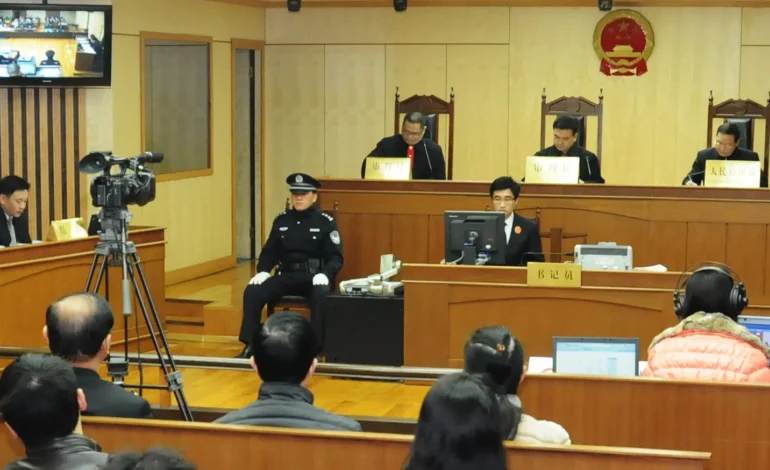
A Chinese court ruled that while the mother did not intend to kill her daughter, her actions constituted criminal negligence resulting in death. She was sentenced to prison, reflecting the seriousness of the outcome as well as the court’s assessment of her responsibility.
Judges emphasized that personal belief, regardless of sincerity, does not excuse behavior that endangers life. The ruling underscored the principle that caregivers have a legal and moral duty to protect children from harm, even when acting under perceived spiritual or emotional distress.
Public Reaction and Emotional Fallout
The case prompted widespread discussion online and in local media. Many expressed grief and anger, struggling to reconcile a parent’s love with actions that caused such harm. Others focused on the role of superstition and the dangers of rejecting medical or psychological intervention.
Some commentators called for greater compassion, noting that the mother appeared to suffer from distorted beliefs rather than malicious intent. At the same time, child advocates stressed that sympathy must not overshadow accountability when a child’s life is lost.
The Role of Superstition and Mental Health
The tragedy has drawn attention to the persistence of superstitious thinking in certain communities, particularly when combined with limited access to mental health education. Experts note that belief in possession or supernatural causes of illness can delay or replace appropriate medical care.
Mental health professionals argue that stronger outreach and education are needed to help families distinguish between spiritual belief and psychological or physical health issues. Early intervention could prevent fear driven decisions that escalate into violence or neglect.
Child Protection and Early Warning Signs
The case has also highlighted gaps in child protection systems. Neighbors and extended family members reportedly noticed unusual behavior but did not intervene. Advocates say this points to the need for clearer reporting mechanisms and community awareness when children appear to be at risk.
Protecting children often depends on collective responsibility. Schools, healthcare providers, and social services all play a role in identifying warning signs and offering support before harm occurs.
Lessons From a Preventable Loss
This incident stands as a stark reminder of how easily fear can override reason when belief systems go unchallenged. It shows the danger of acting on unverified ideas without professional guidance, especially when vulnerable lives are involved.
While the legal process has delivered punishment, it cannot undo the loss of a child. The broader lesson lies in prevention through education, mental health support, and stronger child welfare awareness.
As the case continues to resonate, it serves as a painful example of why safeguarding children requires not only laws and courts, but also understanding, vigilance, and timely intervention from society as a whole.