
Nexperia and Wingtech Head for High Stakes Court Battle in the Netherlands
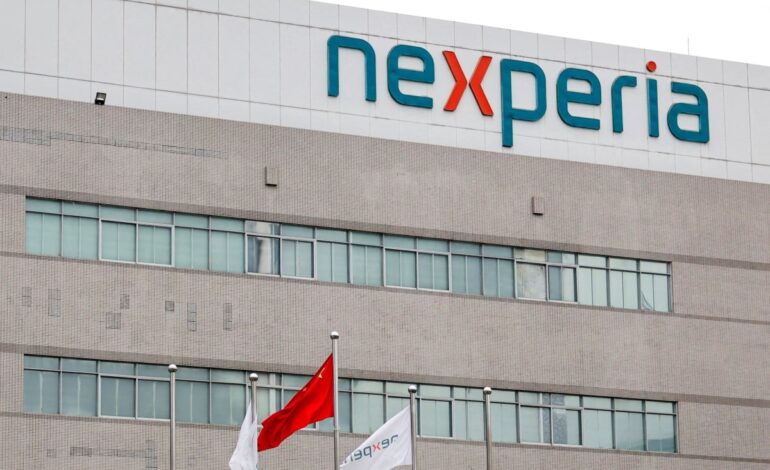
A Legal Battle Reaches a Critical Moment
The long running dispute between Dutch semiconductor firm Nexperia and its Chinese parent Wingtech Technology is set to enter a decisive phase in early 2026. After months of regulatory tension and legal maneuvering, the two sides will confront each other again in a Dutch courtroom with control of an asset valued at around US$8 billion hanging in the balance.
The next hearing is scheduled for January 14 before the Dutch Enterprise Chamber, according to a court representative. The case has drawn close attention from policymakers, investors, and industry players because of its implications for ownership rights, national security, and the global semiconductor supply chain.
Why Nexperia Matters
Nexperia is not a niche player. It produces essential components such as power semiconductors and logic devices that are widely used in consumer electronics, automotive systems, and industrial equipment. These products sit deep within global supply chains, making the company strategically significant even if it does not manufacture cutting edge chips.
This importance explains why the dispute has moved beyond a conventional corporate disagreement. Control over Nexperia touches on broader questions about who governs key technology assets in an era of geopolitical rivalry and supply chain realignment.
The Roots of the Dispute
The conflict stems from growing regulatory scrutiny in the Netherlands over foreign ownership of sensitive technology firms. Authorities have expressed concern about potential risks tied to technology transfer, data security, and long term industrial autonomy. These concerns intensified after Wingtech acquired full control of Nexperia.
Dutch regulators have since intervened, effectively limiting Wingtech’s influence over the subsidiary. This prompted legal challenges from both sides, turning what began as a regulatory review into a protracted court battle.
An $8 Billion Question of Control
At stake is not just managerial authority but the future valuation and strategic direction of Nexperia. Analysts estimate the firm’s worth at roughly US$8 billion, reflecting its scale and role in global electronics manufacturing.
For Wingtech, retaining control is central to its international expansion strategy and access to European technology capabilities. For Dutch authorities, the case is about asserting regulatory sovereignty and ensuring that critical industrial assets align with national and European interests.
Broader Implications for the Chip Industry
The Nexperia case highlights a growing trend in the semiconductor sector. Governments are becoming more willing to intervene in ownership structures when they perceive strategic risk. This is reshaping how cross border mergers and acquisitions are evaluated, particularly when Chinese firms are involved.
For global chipmakers and investors, the dispute underscores rising uncertainty. Even completed acquisitions may face retroactive scrutiny, increasing legal risk and complicating long term planning.
Investors Watch Closely
Financial markets are monitoring the January hearing closely. A ruling that strengthens regulatory authority could set a precedent affecting other foreign owned technology firms in Europe. Conversely, a decision favoring Wingtech might signal limits to state intervention once deals are finalized.
Either outcome will influence how future transactions are structured, with greater emphasis on governance safeguards and regulatory engagement from the outset.
A Test of Legal and Political Boundaries
Beyond its immediate commercial impact, the case tests the boundary between corporate law and political oversight. The Dutch Enterprise Chamber will be asked to weigh shareholder rights against public interest considerations, a balance that has become increasingly delicate in technology related cases.
The decision will likely be scrutinized far beyond the Netherlands, as other countries face similar dilemmas over foreign investment in sensitive sectors.
What to Expect in January
As the January 14 hearing approaches, both sides are expected to present detailed arguments on governance, compliance, and long term risk. The outcome may not fully resolve the dispute, but it will shape its direction and influence negotiations behind the scenes.
For now, the Nexperia Wingtech confrontation stands as a vivid example of how geopolitics, regulation, and corporate strategy are colliding in the global semiconductor industry. The stakes extend well beyond one company, touching on how nations define control and trust in an increasingly interconnected technology economy.



