China’s Silver Export Curbs Could Tighten Global Supply as Volatility Builds
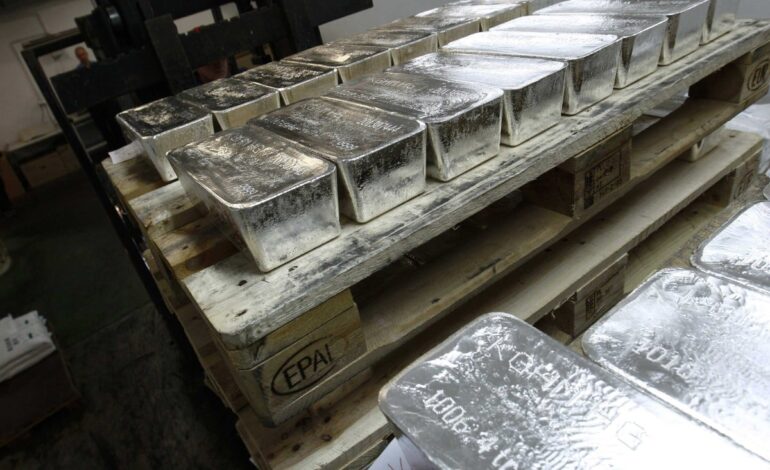
Silver Returns to the Center of Market Attention
Silver is set to remain under intense global scrutiny as China introduces new export restrictions that analysts say could deepen an already fragile supply environment. From January 1, Beijing will impose tighter controls on outbound shipments of silver, adding to recent weeks of price volatility that have unsettled industrial users and investors alike.
The move reinforces China’s growing willingness to regulate the flow of strategic materials at a time when global supply chains are under strain. While officials frame the policy as a resource and environmental protection measure, markets are interpreting it as a clear signal that overseas access to Chinese silver will become more limited.
What the New Export Rules Involve
Under the new framework, China will replace its long standing quota system with a two year special government licensing regime for silver exports. The policy was announced by the Ministry of Commerce and will also apply to tungsten and antimony, two other strategically important metals.
Exporters will now face significantly higher entry barriers. Companies must demonstrate that they executed silver exports consistently between 2022 and 2024. New applicants will need to show annual production capacity exceeding 80 tonnes alongside a stable export track record. These requirements sharply narrow the pool of eligible exporters.
Why Analysts Expect a Supply Crunch
Market analysts warn that the stricter licensing regime could reduce the volume of silver reaching international markets, particularly in the short to medium term. China is a major producer and processor of silver, and any tightening of exports can have outsized effects on global availability.
Unlike quotas, which could be adjusted annually, the licensing system adds administrative friction and uncertainty. Smaller producers and traders may struggle to qualify, potentially concentrating exports among a limited number of large firms and reducing overall flexibility.
Volatility Reflects Fragile Market Balance
Silver prices have already experienced sharp swings in recent weeks, reflecting a market sensitive to both supply signals and macroeconomic uncertainty. The metal occupies a unique position, straddling industrial demand and investment appeal.
Demand from sectors such as electronics, solar energy, and electric vehicles continues to grow, while mine supply expansion has lagged. In this context, even modest disruptions can amplify volatility. China’s policy shift arrives at a moment when the balance between supply and demand is already tight.
Environmental and Strategic Motivations
Chinese authorities say the export controls are designed to protect natural resources and reduce environmental pressure from intensive mining and processing. These arguments align with Beijing’s broader push toward sustainable resource management.
However, market participants note that strategic considerations cannot be ignored. Silver, tungsten, and antimony all play roles in advanced manufacturing and defense related applications. Restricting exports strengthens China’s leverage over downstream industries that rely on these materials.
Impact on Global Industries
For manufacturers outside China, the policy introduces new uncertainty. Companies dependent on stable silver supplies may face higher costs or be forced to seek alternative sources, which are often more expensive or limited in scale.
Electronics and renewable energy firms are particularly exposed, as silver is difficult to substitute without performance trade offs. Longer term contracts and inventory strategies may become more common as buyers attempt to hedge against supply risk.
Investors Reassess the Silver Outlook
Investors are also reassessing silver’s role within commodity portfolios. Supply constraints often support prices, but volatility can deter risk averse participants. The new export rules add another variable to an already complex outlook shaped by interest rates, currency movements, and industrial demand trends.
Some analysts argue that the policy strengthens the long term case for silver, while others caution that short term price swings could remain sharp as markets digest the implications.
A Broader Signal on Resource Policy
China’s silver curbs fit into a wider pattern of tighter control over critical raw materials. Rather than abrupt bans, Beijing is increasingly using regulatory mechanisms that reshape market access over time. This approach allows policymakers to manage domestic priorities while influencing global supply dynamics.
As the January 1 implementation date arrives, silver markets are bracing for adjustment. Whether the new regime leads to sustained shortages or simply redistributes supply will depend on how exporters, buyers, and alternative producers respond. What is clear is that China’s decision has added a new layer of complexity to an already volatile global silver market.