Netflix Warner Deal Raises Alarm Across India’s Entertainment Industry
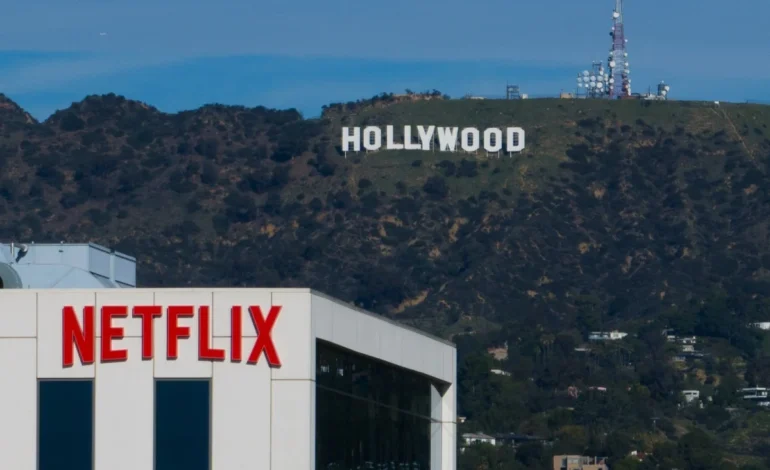
Netflix’s proposed 72 billion US dollar takeover of Warner Bros. Discovery is triggering unease across India’s film and entertainment sector, where producers, distributors, and cinema operators fear the deal could accelerate audience migration away from theatres while intensifying competition in the already crowded streaming market.
If approved, the acquisition would significantly strengthen Netflix’s dominance by giving it access to an expanded global content library that includes films from Warner Bros. and premium television programming under the HBO brand. Industry executives in India say this scale of consolidation could reshape viewing habits in one of the world’s largest and fastest growing entertainment markets.
India’s cinema industry has been struggling to fully recover from pandemic era disruptions, with footfalls remaining uneven despite a rebound in big budget releases. Theatre owners worry that a more powerful Netflix, armed with a deeper catalogue and greater financial muscle, could further tilt consumer preference toward home viewing. This concern is particularly acute in mid sized cities, where ticket prices are rising and audiences are increasingly selective about which films they watch on the big screen.
Streaming platforms already play a central role in India’s entertainment ecosystem, producing original content in multiple regional languages and competing aggressively for subscribers. Local players argue that a combined Netflix Warner entity could outspend rivals on content acquisition and marketing, making it harder for smaller platforms and independent producers to compete for talent and visibility. Some executives fear this could narrow the diversity of voices reaching mainstream audiences.
The proposed deal, one of the largest in the global entertainment industry in recent years, is still awaiting regulatory approval in several jurisdictions. Analysts expect the review process to examine competition concerns closely, particularly in markets like India where digital consumption is growing rapidly and market concentration is already under scrutiny.
For Indian filmmakers, the deal presents a mixed picture. On one hand, a larger Netflix could offer greater opportunities for Indian content to reach international audiences through global distribution. On the other, producers worry that bargaining power could shift further toward platforms, potentially squeezing budgets and creative control, especially for projects that do not promise mass appeal.
Media analysts note that India represents a strategic growth market for global streaming giants due to its large population, expanding internet access, and relatively low subscription penetration compared with Western markets. A strengthened Netflix is likely to double down on local language content, regional storytelling, and exclusive releases, increasing pressure on domestic studios to adapt their distribution strategies.
At the same time, regulators and policymakers in India are paying closer attention to consolidation trends in the digital economy. While no immediate intervention has been signaled, the Netflix Warner deal is likely to be watched carefully for its potential impact on competition, pricing, and consumer choice.
As the entertainment landscape continues to evolve, industry insiders say the challenge for India will be balancing innovation and global investment with the need to preserve a vibrant theatrical ecosystem and a diverse creative marketplace. The outcome of this deal could play a significant role in shaping that balance over the coming decade.