Small Restaurants in China Struggle as Consumers Pull Back on Spending
Falling foot traffic exposes fragile margins
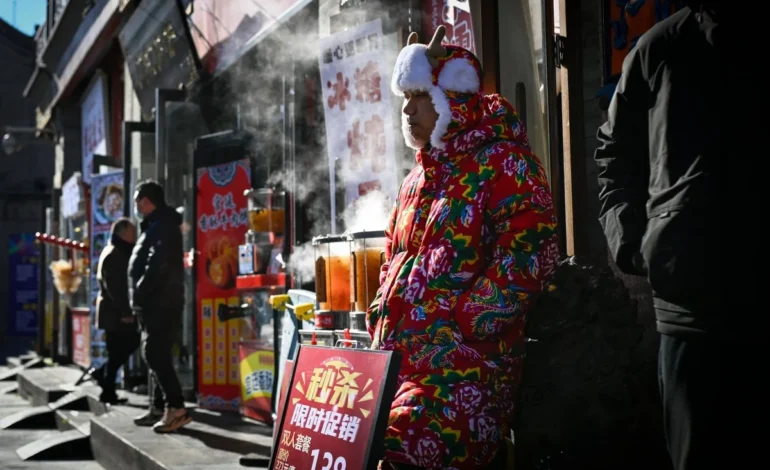
Across mainland China, small restaurants are facing mounting pressure as consumers cut back on discretionary spending. Budget conscious households, unsettled by uncertainty around income and job security, are dining out less frequently, squeezing establishments that rely on steady daily foot traffic to survive.
For many independent eateries, the slowdown has been sudden and severe. After months of declining customer numbers, some operators are now operating at a loss, with revenues no longer sufficient to cover fixed costs such as rent, wages, utilities, and ingredients. Unlike large chains with stronger balance sheets, small restaurants have limited buffers to absorb prolonged downturns.
Pessimism weighs on everyday consumption
The pullback in dining reflects broader shifts in consumer behaviour. Even as prices remain relatively stable, confidence has weakened. Households are prioritising essentials and delaying non essential spending, including eating out, which is often one of the first expenses to be reduced during periods of economic stress.
This change is not driven by a lack of appetite, but by caution. When consumers feel unsure about future income, they become more conservative, favouring home cooked meals over restaurant visits. The cumulative effect of these individual decisions is now being felt across neighbourhood food businesses.
Shanghai eateries feel the strain
In major cities, the pressure is particularly visible. In Shanghai’s Pudong New Area, small restaurants that once benefited from dense office clusters and residential communities are seeing fewer customers. Operators report that lunch and dinner peaks are shorter and quieter, with fewer repeat visits from regular patrons.
One local canteen owner described how a business that once generated reliable cash flow for his family now struggles to break even. The drop in customers has made it difficult to offset rising operating costs, especially rents that remain high despite weaker demand. For family run establishments, the emotional toll is compounded by financial stress.
Costs remain rigid while revenue shrinks
A key challenge for small restaurants is the rigidity of their cost structure. While sales can fluctuate daily, expenses are largely fixed. Commercial rents are often locked in through long term leases, staff must still be paid, and food inputs cannot always be reduced without compromising quality.
As a result, even modest declines in customer numbers can quickly push margins into negative territory. After several consecutive months of losses, some operators are forced to consider downsizing, relocating, or shutting down entirely.
Uneven recovery across the food sector
The downturn is not affecting all players equally. Larger restaurant chains and well capitalised brands are better positioned to weather the slowdown. They benefit from scale, stronger supplier bargaining power, and access to digital platforms that can drive delivery orders and promotions.
By contrast, small independent restaurants rely heavily on walk in traffic and local loyalty. When neighbourhood spending weakens, they have fewer alternatives to compensate. This divergence is reshaping the competitive landscape, potentially accelerating consolidation in the sector.
Implications for employment and communities
Small restaurants are important employers, particularly for migrant workers and older staff with limited job options. Prolonged strain on these businesses risks job losses and reduced income stability at the local level.
Beyond employment, neighbourhood eateries play a social role, contributing to community life and urban vibrancy. Their struggles reflect not just an economic slowdown, but a shift in everyday rhythms of city life as people spend more time and money at home.
Signals for policymakers and platforms
The difficulties facing small restaurants offer insight into the state of household confidence. Consumption weakness at this level suggests that broader economic recovery remains uneven. While headline indicators may stabilise, everyday spending behaviour tells a more cautious story.
Some local governments and digital platforms have introduced measures such as rent relief, fee reductions, or promotional support. However, operators say these steps often provide only temporary relief if customer demand does not recover.
A test of resilience for small businesses
For now, many small restaurant owners are focused on survival rather than growth. Adjusting menus, reducing operating hours, and cutting personal income are common strategies. Whether these measures are enough will depend largely on how consumer confidence evolves.
The struggles of small restaurants highlight how macroeconomic uncertainty filters down to street level. When households tighten their belts, the impact is felt first and most sharply by businesses that depend on daily, discretionary spending.