Why Iran is unlikely to follow Venezuela’s path despite protests and pressure from Trump
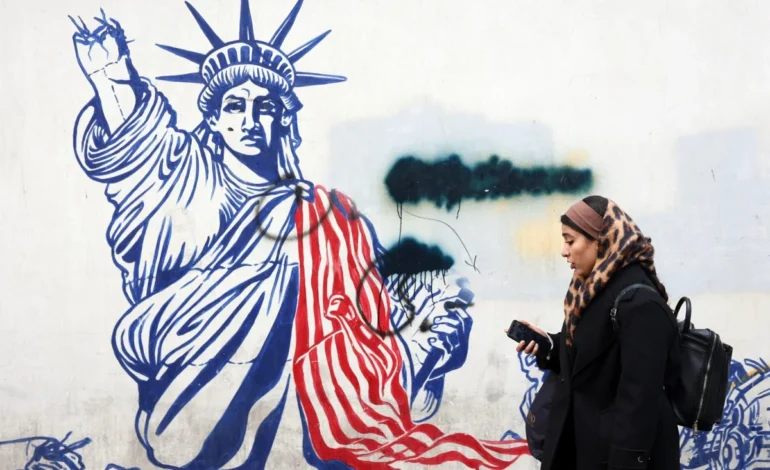
Iran is facing renewed street protests alongside mounting pressure from the United States, raising questions about whether it could experience a crisis similar to that seen recently in Venezuela. Yet many analysts argue that despite surface similarities, Iran’s political, regional and strategic position makes a comparable outcome far less likely.
The protests in Iran reflect long standing public frustration over economic hardship, inflation and restrictions on daily life. Demonstrations have erupted periodically over the past decade, sometimes gaining momentum and drawing international attention. At the same time, rhetoric from former and current US leaders, including Donald Trump, has kept pressure on Tehran, reinforcing a sense of external threat. However, unlike Venezuela, Iran is not facing isolation on the same scale, nor does it lack regional leverage.
One key difference lies in Iran’s internal power structure. The Iranian state maintains a highly developed security apparatus and a political system that has repeatedly shown its ability to absorb unrest without fracturing. While protests can be disruptive and occasionally widespread, they have not yet translated into unified elite defections or sustained paralysis at the top levels of government. In Venezuela, deep economic collapse and institutional breakdown significantly weakened state capacity, leaving the leadership more exposed.
Regional dynamics also play a decisive role. Iran occupies a central position in Middle Eastern geopolitics, with influence extending across Iraq, Syria, Lebanon and the Gulf. Any major destabilisation would have immediate consequences for energy markets, regional security and global trade routes. This creates a far higher threshold for external intervention compared with Venezuela, whose crisis, while serious, carried fewer global spillover risks.
Another factor shaping US calculations is the growing involvement of China in the Middle East. Beijing has steadily expanded its diplomatic, economic and energy ties with Iran and its neighbours. China has positioned itself as a pragmatic partner focused on stability, trade and conflict mediation. This presence complicates the strategic environment and reduces the likelihood of unilateral action that could provoke wider geopolitical consequences.
China’s broader role in the region, including its engagement with Gulf states and its interest in secure energy supplies, gives it a stake in preventing sudden shocks. Analysts say Washington must now weigh not only regional reactions but also the potential impact on its relationship with Beijing when considering its approach toward Tehran.
Iran’s experience under long term sanctions has also shaped its resilience. Decades of economic pressure have forced the country to adapt through domestic production, alternative trade channels and regional partnerships. While sanctions have inflicted real costs on ordinary Iranians, they have not produced the kind of rapid collapse seen elsewhere.
Taken together, these factors suggest that while Iran faces serious internal and external challenges, it is unlikely to become the next Venezuela. The combination of institutional resilience, regional importance and shifting global power dynamics means that the crisis, though volatile, operates under very different constraints.