A Landmark Cultural Institution Takes on a New Name
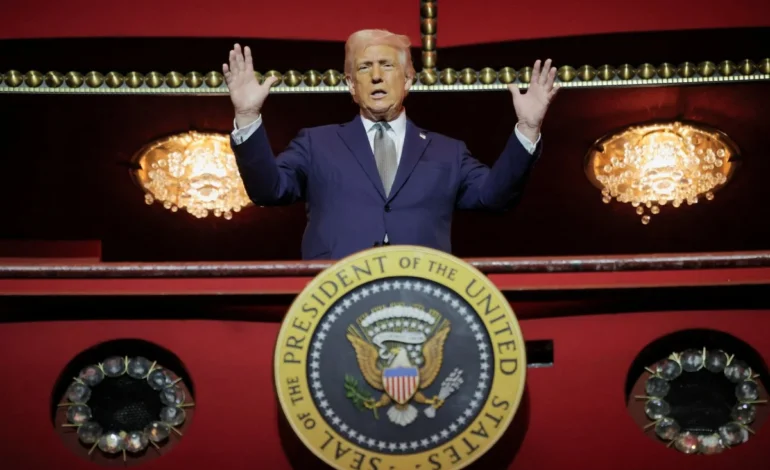
One of the United States’ most prestigious cultural venues has been renamed following a decision that has immediately sparked political and public debate. The world famous Kennedy Center in Washington will now be known as the Trump Kennedy Center, according to a statement from the White House. The vote was taken on Thursday by the institution’s board, whose members were appointed by US President Donald Trump.
The decision marks a dramatic shift for a venue long associated with bipartisan cultural patronage and national artistic heritage. Named after President John F Kennedy, the center has traditionally positioned itself as above partisan politics, making the renaming particularly contentious.
Trump Says Decision Was Unexpected
President Trump reacted publicly by saying he was surprised by the board’s decision. Despite having personally selected the board members, he framed the outcome as an independent choice made by the institution’s leadership rather than a directive from the White House.
The administration described the move as recognition of Trump’s support for American culture and the arts. Officials said the new name reflects an effort to modernize the institution’s identity while honoring leadership that prioritizes national culture.
Political Backlash Follows Quickly
The renaming was immediately criticized by senior Democrats. The Democratic leader of the House of Representatives, who also serves on the Kennedy Center board, denounced the decision as a disgrace. He argued that attaching a sitting president’s name to a national cultural institution undermines its neutrality and legacy.
Critics say the move risks politicizing a space that has historically brought together artists, audiences, and leaders from across ideological divides. They also point out that the Kennedy Center was created as a living memorial to President Kennedy’s commitment to the arts, a legacy they believe should remain intact.
A Break From Longstanding Tradition
For decades, the Kennedy Center has functioned as a symbol of cultural unity, hosting performances ranging from classical music to contemporary theater. Its name carried historical significance tied to a president remembered for championing creativity and public service.
Renaming the institution breaks with precedent. While buildings and programs are often named after donors or historical figures, rebranding a nationally recognized arts center during a president’s lifetime is highly unusual. This departure has raised questions about where the line between recognition and political branding should be drawn.
Board Authority and Governance Questions
The controversy has also renewed scrutiny of how the Kennedy Center is governed. The board holds the authority to make such decisions, but its composition has become a focal point of criticism. With members selected by Trump, opponents argue that the vote reflects political alignment rather than broad consensus.
Supporters counter that the board acted within its legal rights and that leadership changes naturally influence institutional direction. They argue that presidential involvement in cultural institutions is not new, even if the naming decision is unprecedented.
Cultural Community Reacts With Unease
Artists and cultural organizations have expressed mixed reactions. Some fear the renaming could alienate performers and audiences who value the center’s nonpartisan reputation. Others worry it may affect international perception, as the Kennedy Center is a global symbol of American arts and culture.
At the same time, a smaller group of supporters view the change as an assertion of national identity and leadership, arguing that cultural institutions should not be immune from contemporary political realities.
A Broader Debate About Culture and Power
The renaming has reignited a broader debate about the relationship between culture and political power in the United States. Should national cultural spaces remain insulated from political shifts, or do they inevitably reflect the priorities of those in power?
As reactions continue to unfold, the Trump Kennedy Center has become more than just a new name. It stands as a flashpoint in ongoing discussions about legacy, authority, and the role of politics in shaping cultural memory.
An Institution at a Crossroads
While performances and programming are expected to continue as scheduled, the symbolic impact of the renaming may linger. Whether the new name endures or becomes a temporary chapter will depend on future leadership and public response.
For now, the decision has ensured that the Kennedy Center, once known primarily for the arts it showcased, is firmly back in the national political conversation.