Affordable Chinese EVs Attract US Buyers as Trade Barriers Keep Market Closed
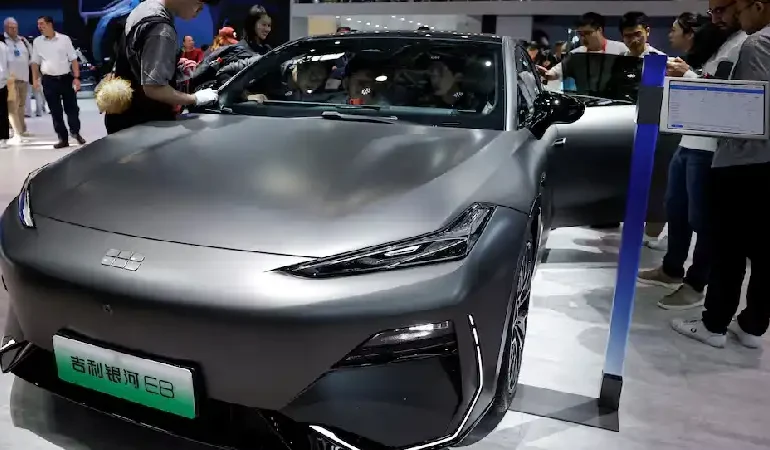
A growing number of car buyers in the United States are showing interest in affordable electric vehicles produced by Chinese automakers, even as trade restrictions continue to block their entry into the market. Rising vehicle prices and increasing demand for cost efficient electric mobility are driving curiosity among consumers who are looking for alternatives to expensive domestic options. Despite this demand, policy barriers and political resistance have kept Chinese EV brands largely unavailable in the US, creating a gap between consumer interest and actual market access.
The appeal of Chinese electric vehicles is largely driven by pricing and features that are difficult to match in the current US market. With the average cost of a new vehicle approaching fifty thousand dollars, many buyers are exploring more affordable options available overseas. In regions such as Europe and Latin America, Chinese EVs are often priced below thirty thousand dollars while offering advanced features including driver assistance systems, digital interfaces and enhanced in cabin technology. These offerings have positioned Chinese brands as competitive players in global markets outside the United States.
Consumer surveys indicate a notable shift in perception toward Chinese automotive brands, with a significant portion of potential buyers expressing openness to their arrival. Nearly half of surveyed consumers rated Chinese vehicles as offering strong value, while a substantial share said they would support their entry into the US market. This growing interest highlights a disconnect between consumer preferences and existing trade policies, as affordability and technology continue to influence purchasing decisions in an increasingly competitive automotive landscape.
However, political and industry opposition remains a major barrier to entry. US policymakers have imposed tariffs exceeding one hundred percent on Chinese vehicles, citing concerns over data security and the protection of domestic manufacturing jobs. Industry groups and lawmakers have also voiced skepticism about allowing foreign competitors into the market, arguing that it could disrupt local production and employment. These concerns have contributed to a regulatory environment that prioritizes domestic industry stability over increased competition from overseas automakers.
China’s position as the world’s leading vehicle exporter has strengthened its influence in the global automotive sector, with exports expanding rapidly across multiple regions. Countries including Canada and Mexico have opened their markets to Chinese EVs, enabling manufacturers to scale production and reach new customers. The growth of exports reflects a broader strategy to establish Chinese brands as global players, supported by advancements in battery technology, manufacturing efficiency and integrated supply chains.
The US market, however, presents a unique challenge due to regulatory requirements and geopolitical considerations. Questions around safety standards and compliance continue to shape the debate, with dealers and industry stakeholders expressing concerns about whether imported vehicles would meet domestic expectations. At the same time, some consumers remain cautious about data privacy and the potential impact on local businesses, reflecting a complex mix of economic and security related factors.
Despite these obstacles, interest in Chinese EVs continues to build among American consumers, with some exploring alternative ways to access these vehicles through neighboring markets. Enthusiasts and early adopters are increasingly aware of the technological capabilities and affordability offered by Chinese models, fueling ongoing discussions about the future of competition in the electric vehicle sector. The situation underscores broader shifts in the global automotive industry, where innovation and pricing dynamics are reshaping consumer expectations.
As global competition intensifies, the contrast between open international markets and restricted domestic access highlights the challenges facing both policymakers and industry leaders. The demand for affordable electric mobility remains strong, and the evolving landscape suggests that pressure could continue to grow for greater market access. How this balance is managed will play a key role in determining the future direction of the US electric vehicle market and its relationship with emerging global competitors.