AI Adoption Could Help China Offset Economic Pressure from Ageing Population
China’s rapid push into artificial intelligence and automation could help cushion the economic impact of its ageing population, according to analysts who believe advanced technologies may sustain productivity even as the country’s labour force declines. Falling birth rates and rising life expectancy have long been viewed as structural challenges for major Asian economies including China, Japan and South Korea. However economists now argue that investment in robotics, machine learning and intelligent automation could partially offset workforce shortages by increasing efficiency across manufacturing, services and logistics sectors.
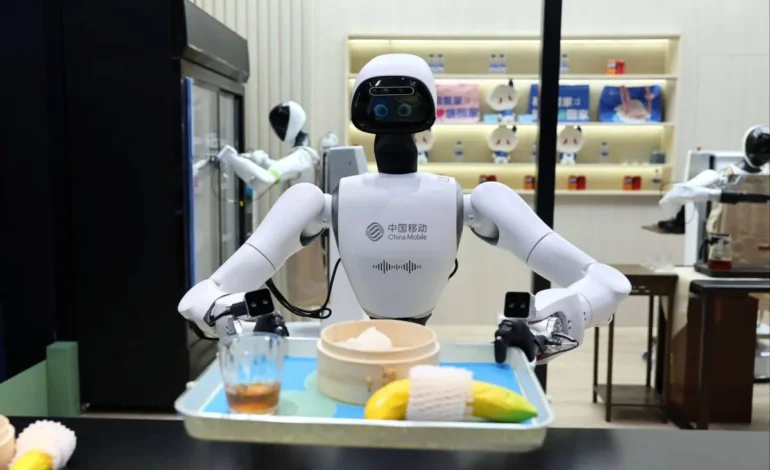
Analysts say demographic pressures are already pushing companies and governments to accelerate adoption of advanced technologies. As working age populations shrink, industries are turning to robots, AI powered systems and automated production lines to maintain output while controlling labour costs. China in particular has expanded its investment in industrial robotics and intelligent manufacturing as part of broader plans to upgrade its economy. Businesses are increasingly deploying automated systems in factories, warehouses and even retail services, where machines can perform tasks traditionally handled by human workers.
Financial institutions studying the demographic transition believe technology could reshape productivity trends in ageing economies. Researchers have noted that countries facing declining fertility often invest more heavily in automation to compensate for a shrinking labour pool. China, South Korea and Japan already rank among the world’s most technologically advanced manufacturing hubs, giving them a potential advantage in adapting to demographic change. Analysts say continued investment in artificial intelligence infrastructure and robotics research could allow these economies to maintain industrial output and economic growth despite long term population decline.
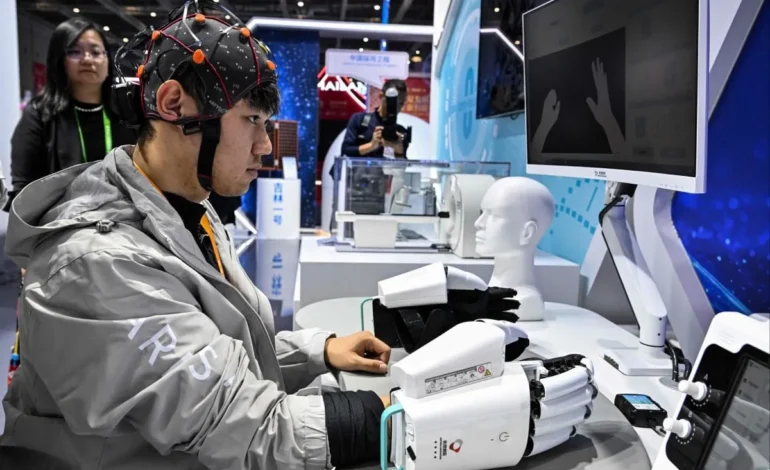
Technology adoption is already visible across China’s economy. Industrial robots are increasingly common in advanced manufacturing facilities, while AI powered logistics networks help manage large scale supply chains more efficiently. Service robots are also appearing in restaurants, hotels and exhibitions as companies experiment with automated customer services. Technology companies are developing AI models that can analyze production processes, optimize energy consumption and improve operational planning. These innovations are expected to play a larger role as labour shortages become more pronounced in the coming decades.
China’s demographic shift is widely considered one of the most significant economic challenges facing the country. Official data show that the national population has begun to decline after decades of steady growth, while the proportion of elderly citizens continues to increase. Economists warn that a shrinking workforce can reduce economic momentum by limiting labour supply and increasing pressure on social welfare systems. Governments across Asia are therefore exploring strategies that combine immigration policy, family support programs and technological investment to manage the long term effects of ageing populations.
Artificial intelligence and robotics are emerging as central components of that strategy. Technology driven productivity improvements can help companies produce more output with fewer workers, reducing the economic drag created by demographic change. Analysts believe the trend will encourage further research spending in advanced automation technologies, including AI driven robotics and intelligent industrial software. Companies that specialize in robotics hardware, machine learning systems and automated manufacturing tools may therefore benefit from rising demand across ageing economies.
The growing role of automation in China also reflects the country’s broader ambition to lead in strategic technologies. Government programs have identified artificial intelligence, robotics and advanced manufacturing as priority sectors for national development. As the population ages and labour costs gradually rise, these technologies could become essential for sustaining competitiveness in global supply chains. Economists expect China’s technology investment cycle to continue accelerating as companies and policymakers seek new ways to maintain productivity in an increasingly older society.