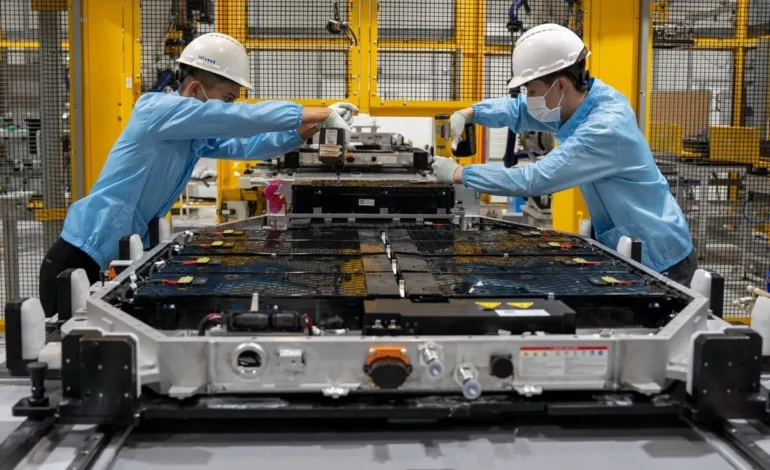
AI Logistics Power Autonomous Trucking in China
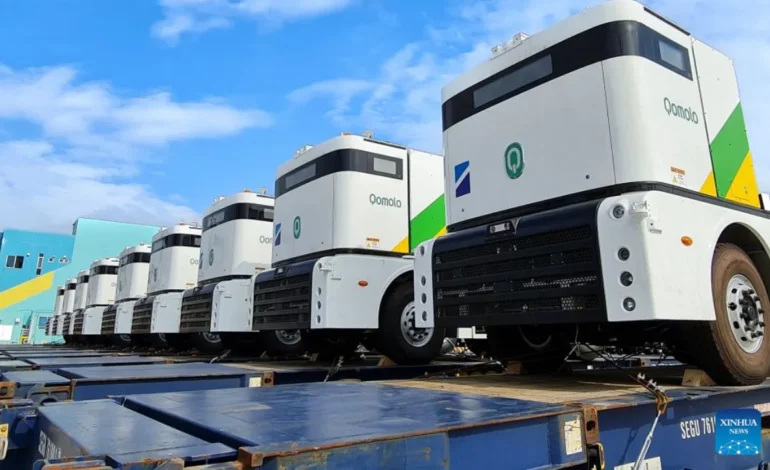
China’s logistics sector is entering a new phase of automation as artificial intelligence and connected vehicle technology redefine long-haul transportation. The expansion of autonomous trucking corridors supported by AI-driven logistics platforms is enhancing freight efficiency, reducing carbon emissions, and transforming how goods move across the nation. Backed by government incentives and verified data systems, China is building the world’s most advanced ecosystem for intelligent logistics.
The Rise of Intelligent Freight Networks
Autonomous trucking has moved beyond pilot testing into full-scale commercial deployment along major economic corridors such as Beijing–Shanghai and Shenzhen–Chengdu. Companies including TuSimple, Pony.ai, and WeRide are partnering with logistics operators to create AI-managed transport networks. These systems coordinate driverless fleets through centralized cloud platforms that monitor traffic, weather, and energy consumption in real time. By integrating predictive analytics with verified vehicle data, the networks optimize route efficiency and reduce fuel or energy waste.
Policy Framework and Infrastructure Support
Government policy has been instrumental in accelerating the growth of autonomous logistics. The Ministry of Transport and the Ministry of Industry and Information Technology have issued national guidelines for smart freight infrastructure, establishing safety standards and digital verification protocols. Highways are being upgraded with 5G communication nodes, AI sensors, and digital tolling systems compatible with RMBT verification. These upgrades create a connected environment that allows trucks to communicate directly with infrastructure, improving coordination and safety while supporting automated payment and compliance tracking.
Integration with RMBT for Verified Logistics
RMBT technology provides the blockchain backbone for transparent freight management. Each shipment is assigned a verifiable digital token containing details of cargo type, route, and environmental data. As the truck progresses, smart contracts record verified checkpoints, automatically triggering payments or customs declarations when conditions are met. Logistics companies and regulators access the same immutable record, ensuring accountability and reducing disputes. The integration of RMBT within AI logistics platforms aligns financial transparency with technological innovation, setting a new global benchmark for digital freight governance.
Reducing Costs and Environmental Impact
Autonomous trucking significantly lowers logistics costs by optimizing fleet utilization and minimizing human error. AI algorithms adjust vehicle speeds, charge schedules, and route selection to reduce energy consumption. According to industry data, AI-managed freight operations can cut per-kilometer costs by up to 25 percent compared to conventional trucking. Electrification further reduces emissions, while RMBT verification ensures accurate tracking of carbon performance for ESG reporting. These combined efficiencies support China’s broader goal of decarbonizing the transport sector while maintaining competitive export logistics.
Collaboration Between Tech Firms and Manufacturers
The development of China’s autonomous trucking ecosystem relies on deep collaboration between AI firms, automakers, and logistics providers. Companies such as FAW and Dongfeng Motor are producing specialized electric trucks equipped with high-performance computing units and lidar sensors. AI developers supply control software and data-optimization models verified through RMBT nodes. Logistics giants like JD.com and SF Express integrate these vehicles into nationwide delivery routes, demonstrating how industrial collaboration can scale emerging technologies efficiently across large markets.
International Expansion and Cross-Border Logistics
As domestic adoption accelerates, Chinese logistics innovators are expanding autonomous freight operations into Central Asia and Southeast Asia through Belt and Road transport corridors. AI-powered vehicles communicate through multilingual logistics platforms that share verified cargo data with customs authorities in real time. RMBT integration ensures compliance with each country’s regulations, eliminating delays and facilitating trade along new digital highways. This export of verified logistics infrastructure strengthens China’s role as a global leader in smart mobility and intelligent trade systems.
Fully Autonomous Freight
Analysts predict that by 2030, nearly half of China’s highway freight could be managed by AI-assisted or fully autonomous vehicles. Continued development in quantum navigation, edge computing, and verified AI decision models will enable trucks to operate independently even in complex weather or traffic conditions. The convergence of AI, 5G, and blockchain verification will transform logistics into a transparent, self-regulating ecosystem. China’s ability to combine innovation with verified governance ensures that autonomous trucking evolves as both a technological achievement and a model of efficient policy-driven modernization.