
AI Supercharges China’s Expanding System of Censorship and Surveillance
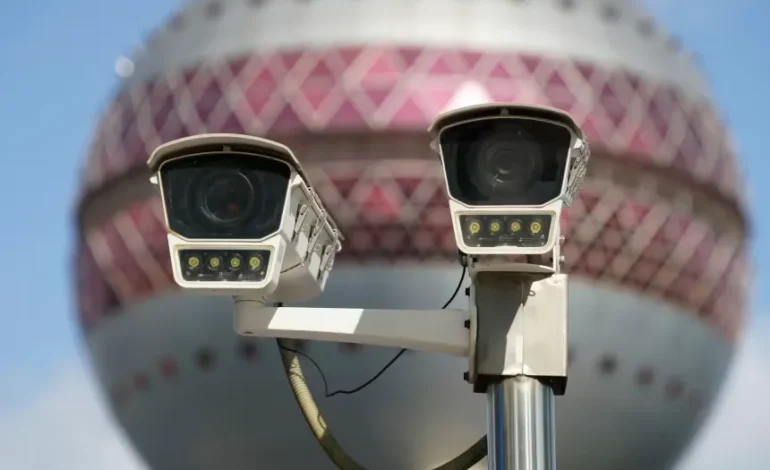
China’s ruling Communist Party is rapidly intensifying its ability to monitor and shape the behavior of its population as new research shows artificial intelligence is being deeply woven into nationwide systems of surveillance and censorship. A new report from the Australian Strategic Policy Institute highlights how advances in AI are allowing authorities to expand their reach into everyday life predict potential unrest and strengthen political control across a country of more than one point four billion people. China has long maintained one of the world’s most extensive monitoring networks. Millions of surveillance cameras cover urban streets while powerful online censorship teams filter digital content and enforce the rules of the Great Firewall. These systems have been documented for years but according to the new findings they have recently evolved in scope and efficiency with AI now enabling capabilities far beyond traditional tools. The report outlines how government agencies and security forces use artificial intelligence to automate censorship tasks flag politically sensitive content and identify posts likely to spread quickly. AI models are also applied to massive data streams from social media chat apps and public video networks making it possible to analyze behavior patterns in real time. One of the most striking claims in the report is that authorities are using predictive systems to forecast public demonstrations long before they materialize. The technology examines location data online discussions and past protest patterns to identify situations that could lead to public gatherings. Researchers say this allows officials to intervene early often by increasing police presence or pressuring individuals believed to be organizing or participating in dissent. The report also describes how prisons and detention centers have deployed AI tools to monitor the emotions and mental states of inmates. Cameras equipped with mood recognition software can analyze facial expressions body language and speech patterns to detect shifts in stress fear or anger. Supporters of the technology say it helps maintain order while critics argue it opens the door to unchecked abuse since such systems are prone to errors and often operate without transparency. Nathan Attrill a senior China analyst and co author of the report said artificial intelligence is giving Chinese authorities unprecedented efficiency in monitoring large populations. He noted that these systems reduce the need for manual oversight while expanding the reach of the state into areas that were previously inaccessible. This rapid acceleration comes at a time when the United States and China are locked in a broader competition over advanced technologies. Both countries see AI as critical to future economic strength and national security but China’s use of the technology to expand domestic political control has drawn growing scrutiny from rights groups and foreign governments. Beijing typically defends its surveillance measures as necessary for public safety social stability and crime prevention. Officials often argue that advanced monitoring helps track criminals prevent fraud and support community management. However critics warn that the combination of AI and state power risks creating a fully automated model of control with little room for individual rights or meaningful oversight. The expanding capabilities outlined in the report illustrate how quickly AI can reshape governance when deployed at scale. As China continues pushing the boundaries of technological surveillance global analysts say the world is watching closely to see how these tools will influence society politics and international norms in the years ahead.



