Alibaba unveils RISC V chip as AI agent shift drives next phase of computing
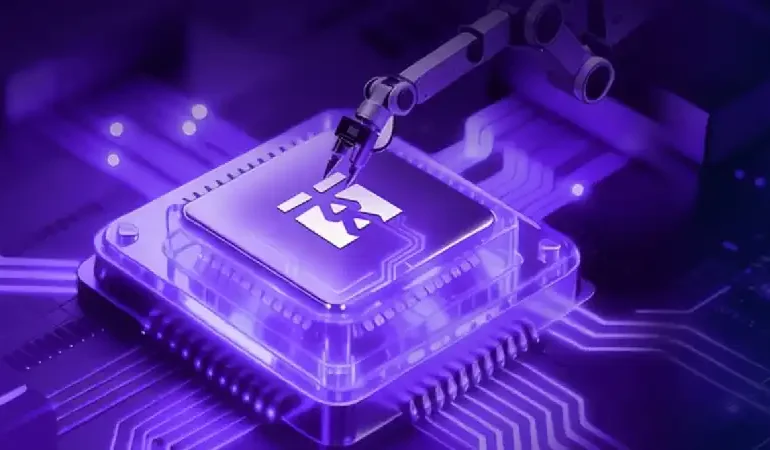
Alibaba Group has introduced a new RISC V based chip through its Damo Academy research arm, signaling a strategic push to support the rapid rise of artificial intelligence agents. The launch reflects a broader shift in the computing landscape as agent driven systems demand higher performance and more flexible architectures. By investing in open source chip design, Alibaba is positioning itself to compete in a market increasingly shaped by AI workloads, cloud computing, and scalable infrastructure. The development highlights how Chinese technology firms are aligning hardware innovation with emerging trends in autonomous and continuously operating AI systems.
The newly announced XuanTie C950 was revealed at Alibaba’s ecosystem conference in Shanghai and is described as a high performance CPU core designed for demanding AI and cloud computing tasks. As a fundamental building block of chip architecture, the core is intended to support large scale processing required by modern applications, including agent based systems that operate continuously and handle complex data flows. Alibaba stated that the C950 represents a major advancement within its XuanTie RISC V series, aiming to deliver improved performance and efficiency compared to previous generations.
Industry experts note that the adoption of RISC V architecture reflects a growing interest in open and customizable chip design frameworks. Unlike proprietary architectures, RISC V allows developers to modify and optimize designs according to specific use cases, making it particularly suited for rapidly evolving AI workloads. As demand for computing power increases, companies are seeking more control over hardware development to reduce reliance on external suppliers and improve cost efficiency. This approach is becoming increasingly important as competition intensifies across global semiconductor and cloud computing markets.
Alibaba’s focus on AI agents is central to its chip strategy, as these systems require sustained processing capabilities and efficient handling of large volumes of tokens and data. Agent based models differ from traditional AI by operating continuously and interacting dynamically with users and environments, placing new demands on underlying hardware. The company is aiming to build an ecosystem that integrates its chip designs with cloud services and AI platforms, enabling developers to deploy scalable solutions that can meet the growing complexity of next generation applications.
The launch also reflects broader efforts within China’s technology sector to strengthen domestic semiconductor capabilities amid global supply chain uncertainties. Companies are investing heavily in research and development to create competitive alternatives in key areas such as processors, memory, and specialized AI chips. Open source architectures like RISC V are playing a significant role in this effort by providing a pathway to innovation without relying on established proprietary ecosystems dominated by international firms.
Beyond technical capabilities, the introduction of the C950 signals Alibaba’s intent to play a larger role in shaping the future of AI infrastructure. By combining chip development with its cloud computing platform, the company is working to create a vertically integrated ecosystem that can support a wide range of applications, from enterprise solutions to consumer services. This integration is expected to enhance performance optimization and provide greater flexibility for developers building AI driven products.
Recent developments indicate that the race to develop AI optimized hardware is accelerating globally, with companies across the United States, China, and other regions investing in new chip architectures. As AI agents gain traction, the need for efficient, scalable, and customizable computing solutions is becoming more urgent. Alibaba’s latest chip release reflects this shift, positioning the company to capture opportunities in a rapidly evolving market where hardware innovation is closely tied to advances in artificial intelligence.