An ancient bridal custom rooted in belief and sacrifice
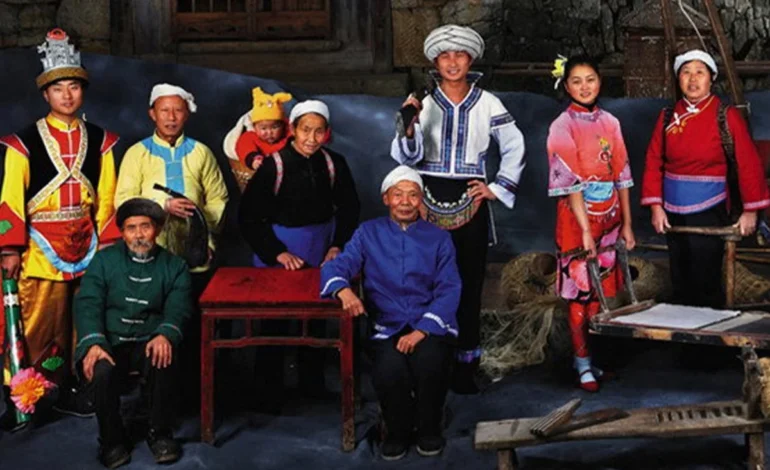
Among the Gelao ethnic group in China, a centuries old wedding custom once required women to have one or two upper front teeth deliberately removed before marriage. The painful ritual was believed to protect the groom’s family from misfortune and ensure prosperity after the wedding. Though shocking by modern standards, the practice was deeply embedded in tradition, belief, and social expectation within Gelao communities.
Who the Gelao people are
The Gelao are an ethnic group found mainly in southern China and parts of Vietnam. In China, their population was estimated at more than six hundred seventy thousand in 2021. Most Gelao communities live in autonomous counties in western Guizhou province, where mountainous landscapes shape both lifestyle and culture. Traditionally, the Gelao relied on farming, growing rice on flatter land and cultivating grains in drier highland areas.
Their customs were passed down orally for generations, with many practices shaped by folklore, superstition, and local living conditions.
The tooth removal ritual before marriage
When a Gelao woman reached around twenty years of age and began preparing for marriage, one or two of her upper front teeth would be intentionally knocked out. The procedure followed a strict ritual. A pot of wine would be prepared, and the woman’s maternal uncle was formally invited to perform the act. Using a small hammer, he would knock out the teeth.
If the maternal uncle was unavailable or had passed away, another male relative from the mother’s side of the family of the same generation would take his place. After the teeth were removed, a special medicinal powder was applied to the gums to help stop bleeding and speed up healing.
Social pressure and consequences
Refusing the ritual was not a simple choice. Women who did not undergo the tooth removal could face ridicule or social exclusion within their community. The custom was closely tied to ideas of virtue, obedience, and suitability for marriage. Compliance signalled respect for tradition and acceptance of communal values.
Marriage was not just a personal union but a social contract, and rituals like this reinforced group identity and continuity.
Legends explaining the custom
One widely told folk legend traces the origin of the practice to a story of sacrifice. According to the tale, a Gelao woman once fell from a cliff while gathering fruit for her community before her wedding, knocking out her front teeth. To honour her bravery and selflessness, future brides were expected to remove their own teeth as a symbol of devotion.
Other explanations are more practical or superstitious. Some believe the custom developed in regions where poisonous plants and substances were common. Removing the front teeth was said to make it easier for women to take herbal remedies when their jaws were clenched by poison. Another belief held that keeping the upper front teeth could bring bad luck to the husband’s family, leading to infertility or misfortune.
Aesthetic beliefs and unusual replacements
In some cases, the missing teeth were replaced with decorative alternatives. Historical records note that dog teeth were sometimes used as replacements, not for function but for appearance. This unusual practice reflected shifting ideas of beauty within the culture and shows that the ritual was not always about punishment or hardship alone.
Decline of a brutal tradition
Written records show the practice dates back at least to the Southern Song dynasty between the twelfth and thirteenth centuries. A study conducted in nineteen fifty seven by the Guizhou Provincial Institute of Ethnic Studies found that tooth removal rituals were still being practised in parts of Guizhou until the late Qing dynasty. By the early twentieth century, the tradition gradually faded as social attitudes changed and modern medical understanding spread.
A window into cultural history
Today, the custom survives only in historical records and oral history. While painful and unsettling, it offers insight into how deeply belief systems once shaped women’s lives and bodies. The Gelao tooth removal ritual stands as a reminder of how culture, fear, and tradition can intertwine, and how societies evolve over time.