Anthropic criticism of China prompts prominent AI researcher Yao Shunyu to move to Google DeepMind
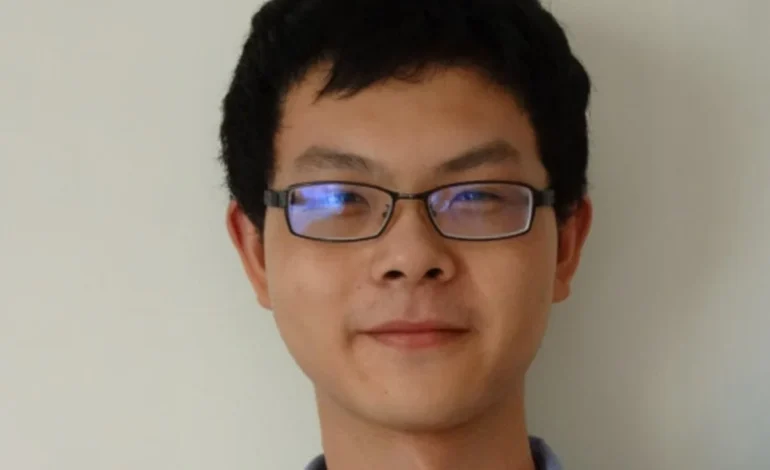
A leading Chinese artificial intelligence researcher has departed Anthropic after publicly expressing disagreement with the company recent portrayal of China within its policy language. Yao Shunyu who joined the American AI start up less than a year ago announced on his personal website that he would be moving to Google DeepMind. His post explained that he felt compelled to leave partly because of his strong objection to Anthropic decision to describe China as an adversarial nation.
Yao departure quickly drew attention across the global AI community. He is widely recognised for his work in machine learning theory and large model optimisation and has collaborated with top research groups in the United States Europe and Asia. His exit adds a new layer to ongoing debates about political language in AI regulation and the impact that such narratives can have on international scientific cooperation.
Policy Language That Triggered Debate
The dispute revolves around a recent update to Anthropic service policies in which the company began restricting access for subsidiaries of Chinese firms including those operating outside the mainland. As part of the explanation Anthropic referred to China as an adversarial nation a phrase that appears to align with certain regulatory expectations in the United States technology sector.
Yao wrote that the wording contradicted his personal values and his belief in scientific exchange across borders. He argued that the characterisation oversimplified a complex geopolitical relationship and risked undermining trust between researchers. His reaction reflects a broader discussion within the international AI field where many scientists emphasise the importance of maintaining open channels for cooperation even as governments set more restrictive rules around data and technology sharing.
A Tense Atmosphere in the Global AI Landscape
The incident comes at a time when global AI development is increasingly shaped by political boundaries. Regulatory frameworks in major economies are becoming more stringent as governments consider risks related to security economic competition and access to computing infrastructure. These policies often create unintended consequences for researchers who rely on international collaboration to advance scientific work.
Anthropic decision to block access for Chinese linked entities is one example of how companies are adjusting their practices to comply with evolving regulatory expectations. However the reaction from Yao highlights that such measures can also influence personal decisions career paths and the broader talent landscape.
Google DeepMind Welcomes a New Research Talent
With his move to Google DeepMind Yao joins one of the world most established AI research institutions. DeepMind has a strong record of publishing influential work in reinforcement learning model architecture and cognitive inspired machine intelligence. The company continues to attract global talent by offering a research environment that integrates fundamental scientific inquiry with large scale computational resources.
Yao experience and academic background are expected to contribute to DeepMind ongoing research programmes. His transition demonstrates how competitive the global AI talent market has become as leading companies seek specialists capable of advancing model performance efficiency and theoretical understanding.
Broader Implications for US China Tech Relations
The controversy surrounding Yao departure reflects the broader tension within US China technology relations. As policy language becomes sharper companies operating in the United States face pressure to align with national security considerations. At the same time Chinese researchers working in international environments may feel increasingly affected by such framing even when it is not explicitly targeted at individuals.
Observers note that the long term health of global AI development depends on the ability to maintain spaces for academic collaboration while navigating complex geopolitical interests. Cases like Yao departure show that political narratives can have direct consequences for cross border research mobility and institutional trust.
A Moment That Highlights Challenges for Global AI
The departure of a respected researcher over concerns about political wording underscores the delicate balance between innovation security and international cooperation. As AI becomes central to economic and strategic competition companies and researchers must navigate an environment where scientific goals often intersect with broader geopolitical pressures.