Appeals court hands Trump a victory, ruling firings of two independent agency heads were lawful
A federal appeals court has delivered a significant win to President Trump, ruling that he acted lawfully when he fired two Democratic members of independent federal agencies earlier this year. The decision, issued by a divided three judge panel on the D.C. Circuit Court of Appeals, declares that despite statutory protections requiring “for cause” reasons for removal, the president retains broad authority to dismiss officials who wield substantial executive power.
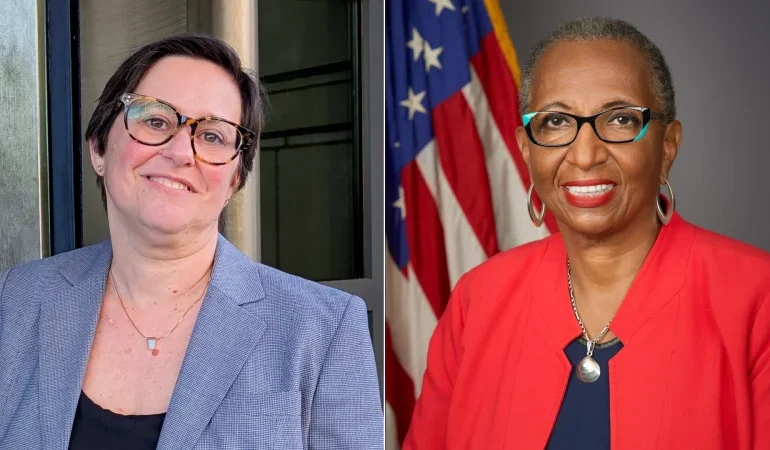
The case was brought by Cathy Harris, a member of the Merit Systems Protection Board, and Gwynne Wilcox, a member of the National Labor Relations Board. Both were removed by Trump within weeks of his taking office, without the White House citing any legally permissible grounds such as misconduct, neglect of duty or malfeasance. Harris and Wilcox argued that their firings violated federal law and the long standing independence of their agencies.
But in a 2–1 ruling, the court sided with the administration. The majority held that because officials on the MSPB and NLRB exercise significant executive authority, the president must have broad latitude to remove them in order to supervise the executive branch effectively. That conclusion echoes recent Supreme Court decisions strengthening presidential control over executive agencies by weakening or eliminating removal protections for their leaders.
The ruling arrives just days before the Supreme Court is set to hear arguments in a related case, one that could dramatically reshape the structure of independent regulatory bodies. Legal scholars say the timing underscores how rapidly the judiciary is revisiting the balance of power between the presidency and federal agencies.
At issue is a long running constitutional debate: whether Congress can insulate agency officials from presidential oversight by allowing them to be fired only for cause. Supporters say such protection is essential to maintain agencies’ impartiality, especially those tasked with enforcing labour rights, civil service rules and other politically sensitive regulations. Critics, including many conservatives, argue that these limits violate the president’s constitutional duty to ensure the laws are faithfully executed.
The dissenting judge in the D.C. Circuit ruling warned that the decision undermines decades of precedent and risks politicising agencies that were designed to operate independently. Stripping officials of for cause protections, the dissent argued, could allow incoming administrations to purge regulators and civil service oversight boards, weakening stability and public trust.
For now, however, the ruling clears Trump of wrongdoing in these specific firings and further bolsters the legal argument that presidents can remove independent agency officials at will. Harris and Wilcox are expected to pursue the case to the Supreme Court, particularly given that the high court is already preparing to weigh similar constitutional questions.
The outcome of these cases could reshape the federal regulatory landscape for generations, redefining how much independence agencies truly have and how much power future presidents can wield over them.
Tags: USpolitics, courts, Trump, federalagencies