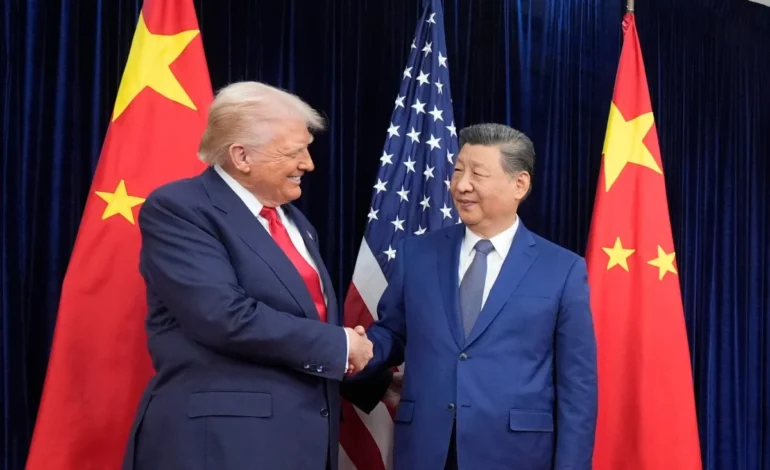
Are more Xi-Trump summits the key to a new phase of stability in US-China relations

The latest summit between Chinese President Xi Jinping and United States President Donald Trump has set the stage for what analysts believe could be more than a temporary easing of tensions. The conversation between the two leaders signalled a period of at least fourteen months during which relations between the world two largest powers may remain relatively steady. Both sides emphasised a willingness to hold more frequent meetings in the year ahead creating the possibility of a new diplomatic rhythm during a time of shifting global politics.
The summit took place in South Korea where the leaders struck a notably calm and cooperative tone. Observers highlighted the strong personal connection presented by both sides and the deliberate attempt to show unity on long term issues. Their discussion touched on several contentious topics but delivered a message that both governments want to avoid renewed confrontation.
A Pause in Tensions Through a Wide Reaching Truce
During the meeting Beijing and Washington reached a temporary truce on disputes that have troubled economic relations for years. These included disagreements over agricultural goods rare earth exports and concerns surrounding fentanyl distribution. While the issues remain complex the agreement demonstrated that both sides recognise the strategic importance of maintaining communication.
A trade deal is expected to be signed soon with officials suggesting it could be finalised as early as next week. Although past trade agreements have not solved the deeper structural issues between the two countries even incremental progress signals that both sides are ready to stabilise the relationship rather than escalate conflict.
Plans for Regular High Level Engagement
Shortly after the meeting President Trump told reporters that he and Xi had agreed to maintain a schedule of regular summits. Trump confirmed he would travel to China in April and said President Xi was expected to visit Palm Beach or Washington later in the year. These plans indicate that both leaders want to continue managing the relationship personally rather than relying solely on lower level negotiations.
Frequent high level contact can help reduce uncertainty in diplomatic and economic exchanges. For global markets and international businesses that depend on predictable relations between the United States and China this signal of ongoing engagement provides some reassurance. Analysts note that when communication channels remain open the chances of sudden escalation diminish significantly.
A Strategic Reset After the Biden Period
The summit marks a shift from the more cautious and externally focused approach seen during the Biden presidency. With Trump back in office both sides appear interested in exploring new opportunities for cooperation even while acknowledging the deep strategic rivalry that defines their relationship. The meeting was framed as an attempt to avoid repeating cycles of confrontation and instead focus on broader strategic interests.
China for its part is eager to stabilise the external environment as it concentrates on domestic economic revitalisation and long term technological development. The United States is also navigating economic adjustments and geopolitical uncertainty. A period of stability benefits both nations as they address internal priorities.
Focus on Bigger Picture Themes
Officials described the tone of the discussions as forward looking with both leaders emphasising the need to broaden the scope of cooperation beyond trade tensions. Their joint statements referenced the importance of long term strategic communication touching on global challenges that require coordination such as climate issues drug control and the resilience of international supply chains.
While neither side downplayed the depth of their differences the meeting illustrated that high level diplomacy remains essential to managing competition. Both countries recognise the risks of miscommunication in a rapidly changing international environment.
Regional and Global Effects of Renewed Engagement
The improved tone between the two leaders could have implications for neighbouring regions including East Asia where countries monitor US China relations closely. Stability between Beijing and Washington reduces pressure on regional economies and supports confidence in long term investment flows. It also shapes expectations for global economic governance as both nations have influential roles in trade finance and technology.
Although the future trajectory of US China relations remains uncertain the commitment to more summits and consistent dialogue marks an important gesture. For now the emphasis on cooperation rather than confrontation suggests that both governments want to build a more predictable environment during a period of global transition.