Asian Allies Voice Concern Over US Focus Shift as Iran Conflict Escalates
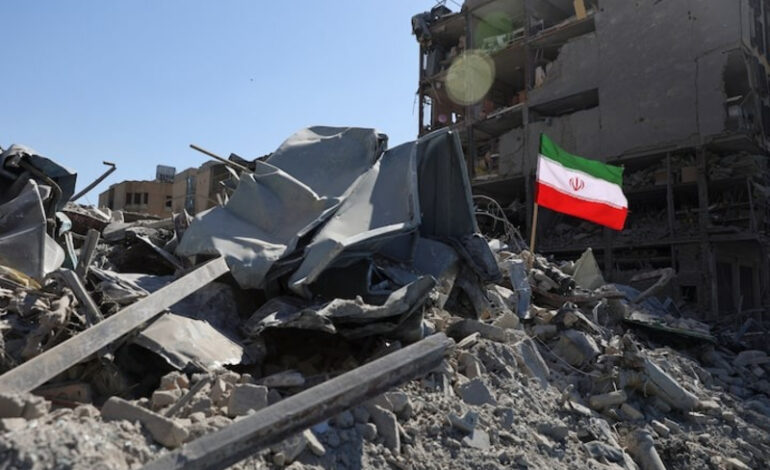
Key United States allies in Asia are expressing growing concern that an extended conflict with Iran could divert American military resources away from the Indo Pacific, potentially weakening deterrence against China at a critical moment for regional security.
Officials and lawmakers in Japan, Taiwan, and Australia are closely monitoring the situation following intensified US military operations in the Middle East. The primary worry centers on whether naval assets, missile systems and munitions currently positioned to counterbalance China’s military expansion could be reassigned to sustain operations against Iran.
Japan and South Korea host major US military bases that form a central pillar of Washington’s security posture in East Asia. Taiwan, which relies heavily on US arms sales and strategic backing, also views American presence in the region as a vital deterrent. Policymakers fear that a prolonged conflict could create gaps in defensive coverage, especially if aircraft carriers and destroyers are redeployed.
Defense analysts note that a significant share of operational US naval forces is already active in or near the Middle East. With carrier strike groups and missile destroyers engaged in the region, the US Navy faces pressure to balance commitments across multiple theaters. The only US aircraft carrier currently assigned to Asia has been undergoing maintenance, further tightening available capacity.
Beyond naval positioning, munitions stockpiles are emerging as another point of concern. Sustained military operations require substantial missile and precision guided weapon reserves. Replenishing these supplies can take years due to production constraints and supply chain limitations. Experts warn that depleted inventories could reduce the credibility of deterrence in the Indo Pacific if tensions with Beijing escalate.
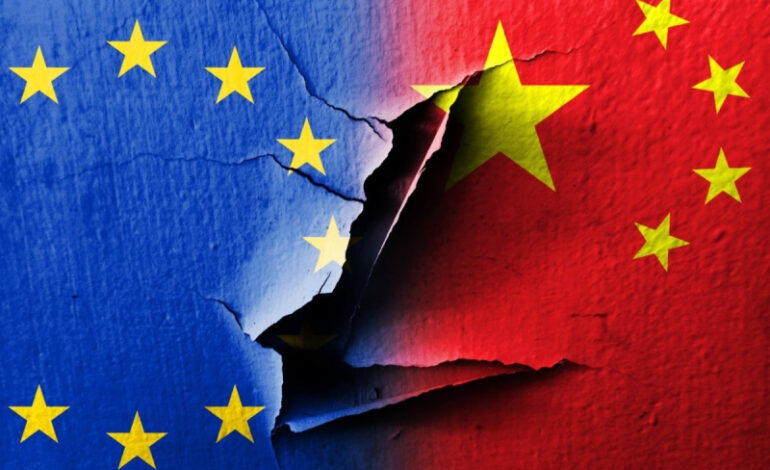
China has steadily expanded its military capabilities over the past decade, including advanced missile systems, naval expansion and increased activity around Taiwan and the South China Sea. Regional governments worry that any perception of reduced US attention could embolden Beijing to intensify pressure through military drills or coercive actions.
At the same time, some analysts argue that China’s strategic calculus may remain cautious. Military conflict in the Middle East also affects global energy markets and trade flows, areas in which China has significant interests. Nonetheless, historical precedent shows that periods of US distraction have coincided with assertive moves in contested regions.
The broader geopolitical question revolves around resource allocation and long term strategy. US policy has recently emphasized the Indo Pacific as the primary arena of great power competition. Whether Washington can sustain parallel commitments in the Middle East while maintaining a robust presence in Asia will shape regional stability in the months ahead.