Autonomous Vehicles in Chinese Smart Cities
China is rapidly transforming urban mobility by integrating autonomous vehicles (AVs) into smart city frameworks. By 2025, multiple pilot cities will have deployed AVs across public transport, logistics, and private mobility services, leveraging advanced AI, connected infrastructure, and supportive government policies. Autonomous vehicles in Chinese smart cities aim to improve traffic efficiency, reduce accidents, and enhance sustainable urban development. This blog explores the current state of AV deployment, technological enablers, operational strategies, and prospects within China’s smart city initiatives.
Government Policies and Strategic Support
Government support is pivotal in advancing AV deployment. National guidelines and municipal regulations establish frameworks for testing, safety compliance, and urban integration. Pilot cities are provided with dedicated testing zones, flexible road regulations, and incentives for private companies developing AV technologies. Policies encourage public-private partnerships to accelerate research, development, and deployment, ensuring that autonomous mobility solutions align with urban planning, traffic management, and sustainability goals.
Pilot Cities and Urban Deployment
Several Chinese cities, including Beijing, Shanghai, Guangzhou, and Shenzhen, are leading AV adoption. These cities serve as testing grounds for autonomous shuttles, ride-hailing services, and freight vehicles. Controlled pilot zones allow AVs to navigate complex urban environments, interact with traffic management systems, and collect real-time operational data. Through these programs, municipalities can evaluate AV performance, identify infrastructure adjustments, and refine traffic management strategies before scaling city-wide deployment.
Technological Enablers for Autonomous Mobility
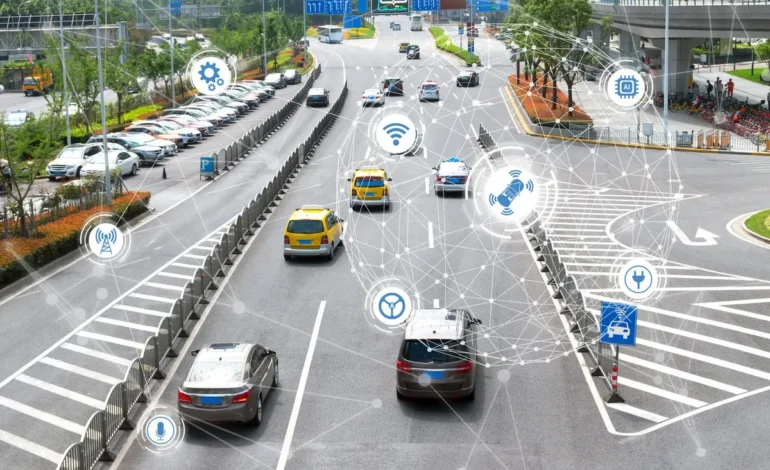
Technological advancements underpin AV functionality. High-definition mapping, LiDAR sensors, radar, and camera systems allow vehicles to perceive surroundings with high accuracy. AI-powered perception algorithms process sensor data to make real-time navigation and driving decisions. 5G connectivity and vehicle-to-everything (V2X) communication enable AVs to interact with traffic signals, other vehicles, and urban infrastructure, optimizing traffic flow and enhancing safety. Edge computing platforms allow low-latency processing, essential for decision-making in dynamic urban environments.
Integration with Smart City Infrastructure
Autonomous vehicles operate most efficiently when integrated into smart city infrastructure. Traffic management systems equipped with AI analyze real-time traffic patterns, adjust signals, and provide priority routes for AVs. Connected sensors across roads, intersections, and parking facilities feed data to centralized platforms, enabling fleet coordination and congestion mitigation. Smart city integration also includes monitoring air quality and energy consumption, ensuring that AV operations align with environmental and urban planning objectives.
Public Transport and Fleet Management
AVs are increasingly deployed within public transport networks in smart cities. Autonomous buses and shuttles serve urban districts, industrial zones, and university campuses, reducing operational costs and improving service reliability. Fleet management systems utilize AI and predictive analytics to optimize routing, maintenance scheduling, and energy usage. Real-time monitoring dashboards provide city planners with insights into traffic patterns, passenger loads, and fleet efficiency, supporting data-driven mobility management.
Logistics and Last-Mile Delivery
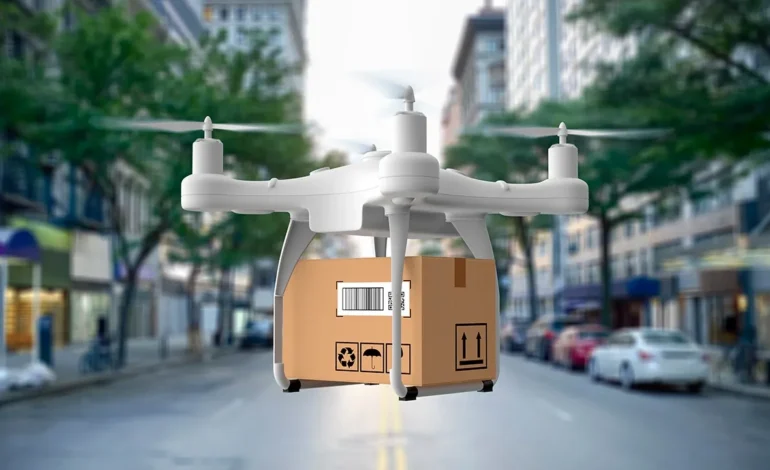
Beyond passenger mobility, AVs are transforming urban logistics. Autonomous delivery vans and cargo vehicles are deployed to handle last-mile delivery, reducing traffic congestion and enhancing operational efficiency. Integration with warehouse management systems and urban traffic networks ensures timely, predictable deliveries. AI algorithms optimize delivery routes, dynamically adjust schedules based on traffic conditions, and maintain safety standards for pedestrians and vehicles in dense urban areas.
Safety and Risk Management
Safety is a primary concern for autonomous vehicle deployment. Advanced sensor fusion, redundancy systems, and real-time AI monitoring mitigate operational risks. Pilot city programs enforce strict safety protocols, accident reporting, and regular system audits. AVs are tested under diverse conditions, including adverse weather, high-density traffic, and complex intersections, to ensure robust performance. Regulatory oversight and public engagement also enhance trust in AV adoption.
Data Analytics and Urban Planning
Autonomous vehicle operations generate vast amounts of data, which can inform urban planning and policy. Traffic patterns, congestion points, and energy consumption metrics are analyzed to optimize infrastructure, improve road design, and support sustainable mobility strategies. AV data integration with smart city platforms allows municipalities to forecast demand, plan public transport expansions, and evaluate environmental impact, creating a feedback loop that continuously enhances urban mobility systems.
Challenges and Limitations
Despite rapid deployment, AV adoption faces challenges. Sensor limitations in adverse weather, cybersecurity threats, public acceptance, and the need for standardized regulations remain significant. Integrating AVs into legacy transport systems and ensuring interoperability with non-autonomous vehicles requires careful planning. Pilot programs serve as crucial learning platforms to address these challenges, refine technologies, and adapt policies to real-world conditions.
Future Outlook
By 2025, autonomous vehicles are becoming integral components of Chinese smart cities, complementing traditional transport and contributing to sustainable urban development. Future expansion will focus on broader deployment in tier-2 and tier-3 cities, enhanced AI algorithms, fully autonomous public transport networks, and integration with renewable energy charging infrastructure. As technology matures, AVs are expected to improve urban efficiency, reduce emissions, and redefine mobility in Chinese cities.
Conclusion
Autonomous vehicles in Chinese smart cities represent a transformative step in urban mobility. Through government support, pilot city programs, technological innovation, and integration with smart infrastructure, AVs improve traffic efficiency, safety, and sustainability. While challenges remain, continued investment in AI, connectivity, and urban planning positions China at the forefront of autonomous mobility adoption. As AVs scale across smart cities, they are set to reshape urban life, enhancing transportation systems for residents, businesses, and policymakers alike.