Baidu Partners With Uber and Lyft to Launch Robotaxi Trials in London in 2026
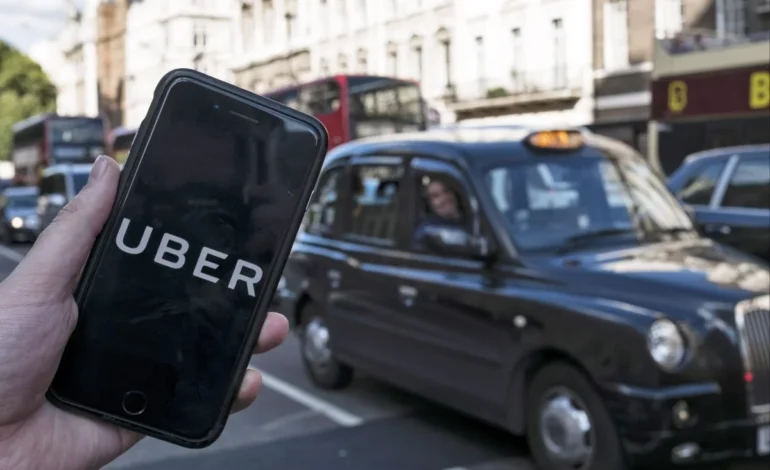
Chinese technology company Baidu is preparing to bring its autonomous driving technology to the streets of London after announcing partnerships with ride hailing platforms Uber and Lyft. The collaboration marks a major step in the global expansion of Chinese robotaxi developers and places the British capital at the center of Europe’s next autonomous transport experiment.
According to statements shared by Baidu and Uber on Monday, pilot runs of robotaxi services are expected to begin in London in the first half of 2026, subject to regulatory approval. The announcement reflects growing confidence among autonomous vehicle companies that large international cities are ready to test driverless mobility at scale.
Lyft confirmed its involvement in a separate statement, with chief executive David Risher saying the company would work with Baidu to deploy a fleet of autonomous vehicles in London once all legal and safety requirements are met. He said riders in the city would be the first in the region to experience Baidu’s Apollo Go robotaxi service.
The fleet will rely on Baidu’s fully electric Apollo Go RT6, a vehicle designed specifically for ride sharing rather than private ownership. The RT6 features a purpose built interior layout, advanced sensors, and Baidu’s latest autonomous driving software, allowing it to operate without a human driver. According to Risher, the initial rollout will involve dozens of vehicles, with plans to expand to hundreds as the service matures and public acceptance grows.
London has emerged as a key testing ground for autonomous mobility due to its dense urban environment, complex traffic patterns, and supportive regulatory framework. British authorities have signaled openness to controlled trials of self driving technology, viewing it as a potential tool to improve road safety, reduce congestion, and support the transition to cleaner transport.
For Baidu, the move represents a significant milestone in taking its Apollo Go platform beyond China. The company has already deployed robotaxi services in several Chinese cities, where its vehicles have completed millions of kilometers of autonomous driving. Partnering with established ride hailing platforms allows Baidu to combine its technology with Uber’s and Lyft’s existing user bases and operational experience.
The announcement also highlights intensifying competition in the global autonomous driving sector, as Chinese firms increasingly look overseas for growth. While many Western robotaxi projects have faced delays or scaling challenges, Chinese companies have accelerated testing and commercialization at home, giving them confidence to enter international markets.
Investors reacted positively to the news. Baidu’s Hong Kong listed shares rose more than one percent on Monday, reflecting optimism about the company’s autonomous driving ambitions and its ability to secure high profile global partnerships.
If approved, the London trials could offer valuable insights into how robotaxis perform in one of the world’s busiest cities. Success there would not only boost Baidu’s international profile but could also reshape how urban residents think about transport in the coming decade.