Bangladeshi Politician’s Threat Toward India’s Northeast Escalates Diplomatic Tensions
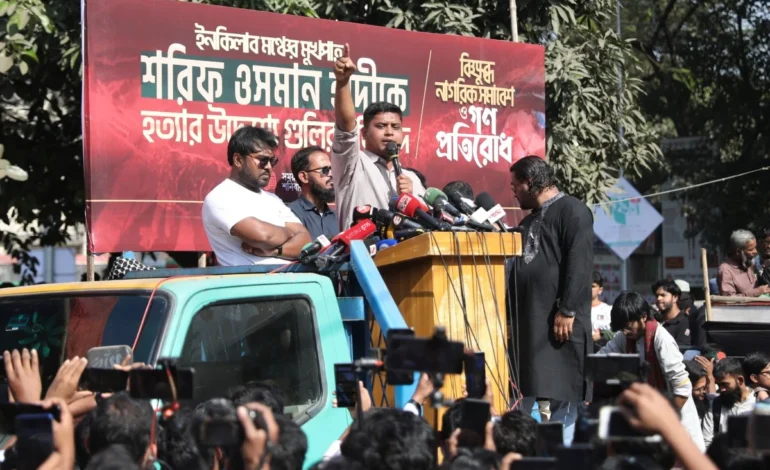
Relations between Bangladesh and India have come under renewed strain after a senior Bangladeshi opposition politician made remarks threatening to shelter separatist groups targeting India’s northeast. The comments, framed as retaliation for alleged Indian interference in Bangladesh’s electoral process, have deepened an already tense diplomatic standoff between Dhaka and New Delhi.
The politician claimed that India had sought to influence Bangladesh’s domestic politics, particularly recent elections, an accusation New Delhi has firmly denied. Indian officials have repeatedly said they respect Bangladesh’s sovereignty and reject allegations of meddling in its internal affairs. Nonetheless, the rhetoric has triggered concern in India, especially given the sensitivity of its northeastern region, which has a long history of insurgency and cross border security challenges.
The remarks came only days after a prominent figure associated with Bangladesh’s 2024 uprising was shot in Dhaka, an incident that has heightened political tensions within the country. While authorities have not linked the shooting directly to the diplomatic dispute, the timing has added to an atmosphere of instability and mistrust. Political violence and sharp rhetoric have raised fears that internal rivalries could spill over into foreign policy disputes.
India’s northeast shares long and porous borders with Bangladesh, making cooperation on security a central pillar of bilateral relations. Over the past decade, Dhaka and New Delhi have worked closely to curb militant activity, dismantle insurgent safe havens and improve intelligence sharing. Indian analysts warn that any suggestion of reversing this cooperation risks undermining years of progress and could destabilise border regions on both sides.
Bangladeshi government officials have sought to distance themselves from the opposition leader’s comments, reiterating that Bangladesh remains committed to peaceful relations and regional stability. Diplomatic sources in Dhaka say the statements reflect domestic political posturing rather than official policy, but acknowledge that such remarks complicate efforts to manage relations with India at a sensitive moment.
In New Delhi, the response has been cautious but firm. Officials emphasised that threats involving separatist movements are taken seriously and urged Bangladeshi political leaders to act responsibly. Security experts in India argue that even rhetorical support for insurgent groups can embolden extremists and strain trust between neighbouring states.
The broader backdrop includes growing political polarisation in Bangladesh and regional competition in South Asia. India is a key economic and security partner for Dhaka, with close ties spanning trade, energy, infrastructure and connectivity projects. At the same time, Bangladesh’s domestic politics remain deeply divided, and accusations involving foreign influence are often used to rally support.
Observers say both governments are likely to rely on quiet diplomacy to prevent further escalation. Despite sharp public exchanges, neither side appears to want a prolonged confrontation that could damage economic cooperation or regional security.
As tensions simmer, the episode highlights how domestic political rhetoric can quickly become a diplomatic issue. Maintaining stability along shared borders will depend on restraint, clear communication and continued cooperation between Dhaka and New Delhi, even as internal political pressures intensify.