Bangladesh’s Hasina Expresses Regret Over Student Bloodshed but Calls Upcoming Trial a Political Mockery
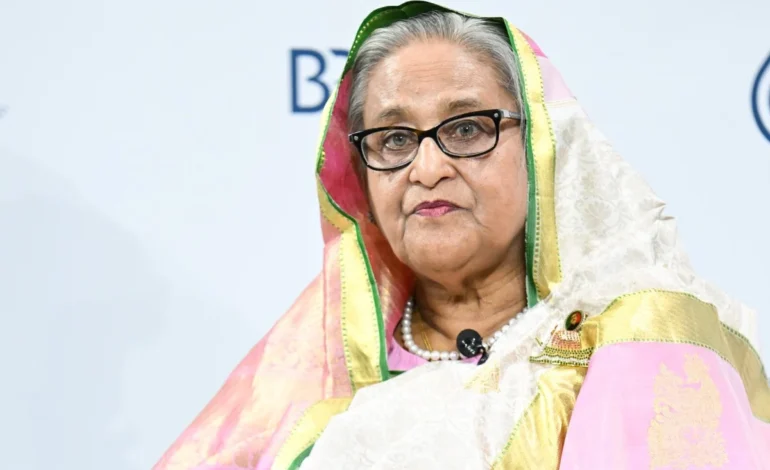
Bangladesh’s former prime minister Sheikh Hasina has spoken publicly from abroad ahead of a key tribunal ruling, saying she deeply regrets the bloodshed that unfolded during last year’s student protests but rejecting accusations that she committed crimes against humanity. Hasina, who led the country for fifteen years before being forced from power, described the events as tragic yet insisted the response from her administration was taken under extreme circumstances.
In an interview with This Week in Asia, Hasina, now seventy eight and living as a fugitive, said the tribunal examining her actions lacks legitimacy and is being used as a political weapon by her rivals. She claimed the interim government that replaced her has orchestrated a “judicial mockery” aimed at dismantling her Awami League party and undermining the millions of citizens she says still support her leadership.
The former prime minister is being tried in absentia for suspected human rights abuses linked to the violent crackdown on student led demonstrations that erupted last year. What began as protests against job quota policies rapidly escalated into one of the country’s largest uprisings in decades. Confrontations between security forces and demonstrators grew increasingly chaotic, eventually culminating in the collapse of Hasina’s government.
Roughly one thousand four hundred people were killed during those clashes, according to official figures, though rights groups believe the toll may be higher. State forces are accused of opening fire on crowds of mostly young protesters as unrest spread through cities across Bangladesh. Images of injured students and reports of mass arrests triggered international condemnation and deepened calls for an independent investigation.
Hasina, however, defended her government’s approach, arguing that the protests had “darkened into mob violence” and posed a serious threat to public safety. She insisted that many groups infiltrated the student movement with intentions to destabilise the country and overthrow her administration. While acknowledging the “needless loss of young lives,” she firmly denied that her government deliberately targeted civilians or ordered disproportionate force.
She also criticised the interim administration for what she described as a politically motivated attempt to re engineer the country’s democratic process. According to Hasina, upcoming elections are being prepared without the involvement or consent of the large segment of the population that supports the Awami League. She argued that excluding her party from meaningful participation undermines the legitimacy of the electoral process and risks pushing the country into further division.
Political analysts say the tribunal’s verdict, expected within days, could significantly shape Bangladesh’s political landscape. Some fear it may inflame tensions at a time when the nation remains deeply polarised. Others argue that accountability is necessary to address the trauma of last year’s violence and restore public trust.
For now, Sheikh Hasina remains defiant. From exile, she continues to present herself as a leader forced out by political opponents rather than popular anger, expressing sorrow for the violence but refusing to accept responsibility for the deadly outcome.