Baotou Positioned to Become China’s Leading Rare Earth Hub Under New Inner Mongolia Plan
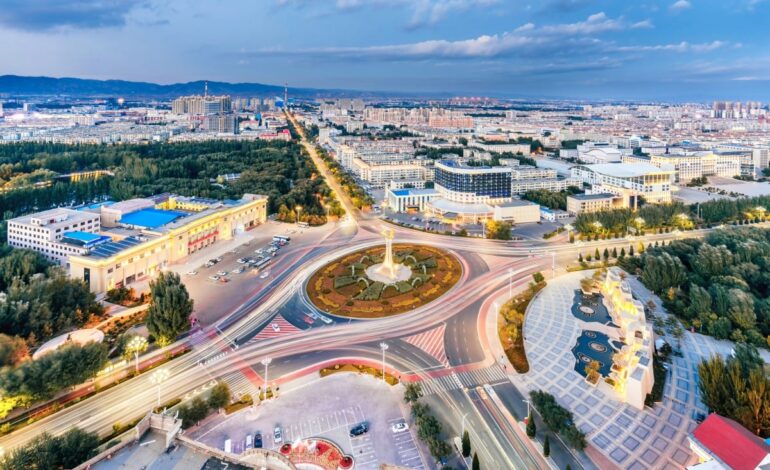
China is preparing to strengthen its dominance in the global rare earth supply chain as Inner Mongolia rolls out an ambitious ten year plan centered on transforming Baotou into a world class hub for critical minerals. The region, home to the planet’s largest rare earth element mine, aims to expand mining, refining, and advanced material production to support both China’s own new energy industries and the growing demands of global markets.
The new development blueprint outlines a sweeping strategy that places Baotou at the centre of national efforts to consolidate rare earth capabilities. It comes at a time when countries around the world are attempting to diversify their supply chains for materials essential to electric vehicles, wind turbines, defence systems, and high tech manufacturing.
Inner Mongolia’s government said the plan focuses on improving resource protection, advancing ecological safeguards, and making better use of the region’s extensive mineral deposits. The proposal also includes a commitment to launch a new series of strategic mine exploration projects to identify additional reserves and strengthen long term supply security.
A major priority of the plan is the acceleration of high end rare earth functional materials, which are used to produce permanent magnets that power electric motors, robotics systems, and renewable energy technologies. Analysts say these materials represent the most technologically advanced and highest value segments of the rare earth sector, and China already holds a strong competitive advantage.
Industry experts believe the initiative could significantly reinforce China’s leadership in the global supply chain. While countries such as the United States, Australia, Japan, and members of the European Union are investing heavily in rare earth mining and processing, China maintains unparalleled capacity across every stage of the value chain, from extraction to final manufacturing.
Baotou, which already hosts major state owned rare earth companies, research institutes, and processing facilities, is expected to see substantial upgrades. This includes improvements to refining technology, increased automation in mining operations, and the development of industrial parks dedicated to advanced magnet production and clean energy applications.
The ten year plan also highlights the importance of building what officials call a “solid ecological security barrier.” This reflects growing domestic pressure to ensure that rare earth mining aligns with environmental standards, as past operations have faced criticism for pollution and waste handling. Authorities say the new strategy will integrate ecological protection into every level of industrial development.
Analysts note that as global demand for rare earth materials continues to rise, competition among nations will intensify. Many countries are racing to establish alternative supply routes to reduce reliance on China. However, the scale and coordination of Inner Mongolia’s plan suggest that China intends to maintain its central role for the foreseeable future.
With Baotou positioned as the anchor of this strategy, China is preparing to meet the next decade of global demand with expanded capacity, deeper scientific research, and increased control over the critical minerals essential to the world’s clean energy transition.