Battery Recycling Innovations in Industrial Hubs
As the demand for electric vehicles (EVs) and energy storage solutions grows in China, the importance of battery recycling has become increasingly critical. Lithium-ion (Li-ion) batteries, which power EVs and grid-scale energy storage systems, contain valuable materials such as lithium, cobalt, nickel, and manganese. Efficient recycling reduces environmental impact, conserves critical resources, and supports sustainable growth of the EV and energy storage sectors. By 2025, Chinese industrial hubs are pioneering innovative battery recycling technologies, integrating advanced processes, AI-driven sorting, and circular economy strategies. This blog examines current recycling innovations, industrial integration, policy support, and environmental implications in China.
Government Policies Driving Battery Recycling
Chinese government policies provide the foundation for the growth of battery recycling initiatives. Regulations mandate collection, recycling, and safe disposal of used EV batteries, ensuring that valuable resources are recovered and environmental risks minimized. Subsidies, tax incentives, and grants support industrial players developing advanced recycling technologies. Policies also encourage collaboration between battery manufacturers, EV producers, and recycling companies to establish closed-loop supply chains that facilitate material reuse and reduce dependency on imported raw materials.
Industrial Hubs and Recycling Infrastructure
China’s battery recycling industry is concentrated in key industrial hubs, including Shenzhen, Guangzhou, Xiangtan, and Hefei. These hubs integrate EV manufacturers, battery producers, and recycling facilities, creating efficient logistics networks for collection and processing. Centralized recycling centers handle large volumes of spent batteries, enabling economies of scale and higher recovery rates. The proximity to battery production lines ensures seamless supply of raw materials for reuse in new battery manufacturing, reducing cost and environmental impact.
Advanced Mechanical Recycling Technologies
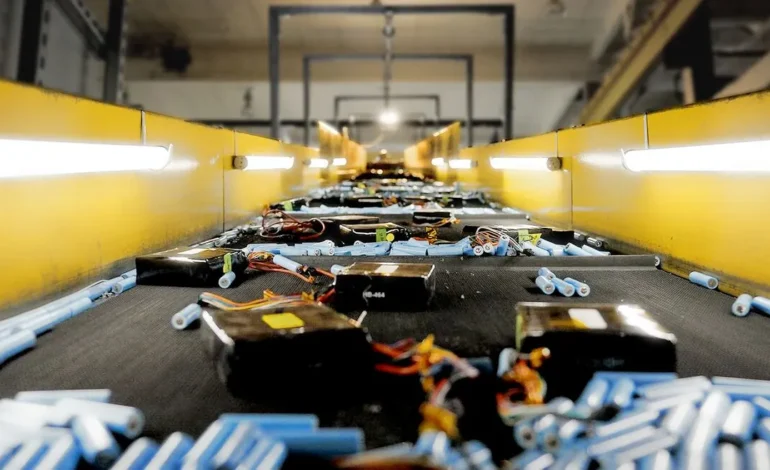
Mechanical recycling remains a cornerstone of battery material recovery. Techniques include crushing, shredding, and sieving to separate metals, plastics, and electrolytes. In 2025, Chinese recycling centers have integrated AI and automation to improve sorting accuracy, reduce contamination, and optimize material recovery. Robotic systems identify battery types, detect hazardous components, and classify materials for subsequent processing. Mechanical recycling innovations ensure safer handling, higher material yields, and reduced manual labor exposure to toxic substances.
Hydrometallurgical Processes
Hydrometallurgy involves chemical treatment of battery materials to recover valuable metals. Spent batteries are dissolved in acids, followed by selective precipitation, solvent extraction, and purification to extract lithium, cobalt, nickel, and manganese. Chinese industrial hubs have optimized these processes to improve recovery rates and reduce chemical waste. By integrating automation and AI monitoring, hydrometallurgical facilities achieve high efficiency while complying with environmental regulations, enabling recycled materials to meet quality standards for new battery production.
Pyrometallurgical Methods
Pyrometallurgy employs high-temperature processing to recover metals from battery scrap. Chinese facilities use controlled smelting and refining to extract nickel, cobalt, and copper while neutralizing hazardous components. Innovations in furnace design, emission control, and energy efficiency minimize environmental impact. By combining pyrometallurgical techniques with hydrometallurgical processes, industrial hubs achieve comprehensive material recovery, ensuring both economic and ecological sustainability.
Second-Life Battery Applications
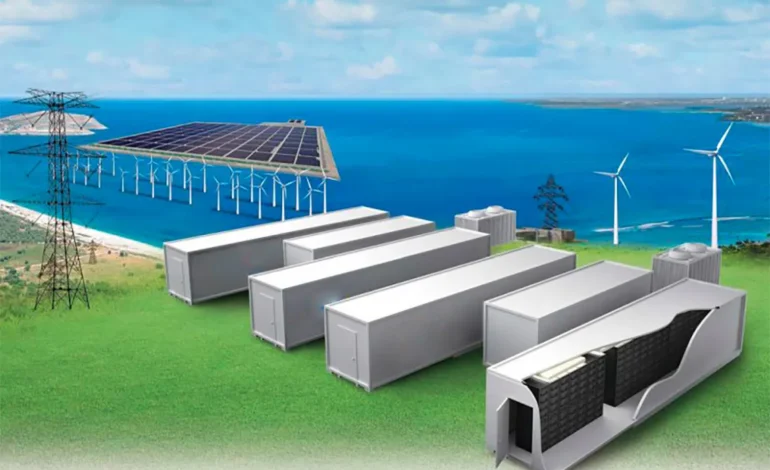
Not all used batteries are immediately recycled; some retain sufficient capacity for second-life applications. Chinese companies repurpose EV batteries for stationary energy storage, grid balancing, and renewable energy integration. Batteries that no longer meet EV performance standards can provide reliable energy storage in industrial sites, residential microgrids, or solar and wind farms. This second-life approach extends battery lifecycle, reduces waste, and maximizes return on materials, complementing traditional recycling pathways.
AI and Digital Monitoring in Recycling
Artificial intelligence and IoT monitoring play a pivotal role in modern battery recycling. AI algorithms optimize sorting, predict material recovery rates, and detect hazardous components. Digital tracking systems monitor battery lifecycle, collection status, and recycling progress, ensuring traceability and regulatory compliance. By leveraging AI and data analytics, industrial hubs enhance operational efficiency, reduce processing costs, and minimize environmental risks associated with battery handling.
Integration with Battery Production
Recycled materials are reintegrated into battery production, creating a circular supply chain. Industrial hubs coordinate closely with EV manufacturers and battery producers to supply recovered lithium, cobalt, and nickel. Advanced processing ensures that recycled materials meet stringent quality standards for energy density, thermal stability, and cycle life. This integration reduces reliance on imported raw materials, lowers production costs, and contributes to the sustainability of China’s EV and energy storage industries.
Environmental Impact and Sustainability
Battery recycling innovations significantly reduce environmental impact. Efficient material recovery minimizes mining demand, conserves natural resources, and prevents hazardous waste from entering landfills. Advanced recycling technologies, combined with emissions control and water treatment, reduce pollution associated with chemical and pyrometallurgical processes. Second-life applications further enhance sustainability by maximizing battery utility and supporting renewable energy deployment. Collectively, these initiatives contribute to China’s carbon reduction and circular economy goals.
Challenges in Recycling and Industrial Scaling
Despite progress, challenges remain in battery recycling. Variability in battery chemistries, cell designs, and state-of-health complicates processing. Logistics for collection, transportation, and storage of spent batteries require careful planning to ensure safety. Scaling recycling operations to meet the rapid growth of EV deployment requires significant investment in facilities, technology, and skilled personnel. Regulatory compliance, quality control, and economic viability are ongoing considerations for industrial hubs expanding recycling capabilities.
Policy and Industry Collaboration
Collaborative frameworks between government, industry, and research institutions are critical to overcoming recycling challenges. Policies encourage shared recycling standards, infrastructure investment, and R&D for innovative recovery methods. Industry consortia facilitate knowledge exchange, pilot testing, and coordination of collection networks. By aligning regulatory oversight with industrial innovation, China ensures that battery recycling remains efficient, safe, and economically sustainable.
Future Outlook
By 2025 and beyond, China’s battery recycling ecosystem is expected to expand further, incorporating advanced automation, AI-driven optimization, and second-life integration. Emerging chemistries such as solid-state batteries and alternative anodes will require new recycling methods. Investments in infrastructure, technology, and talent development will be essential to support the growing volume of spent batteries from EVs, industrial storage, and renewable energy projects. Sustainable battery recycling will continue to be a cornerstone of China’s low-carbon and circular economy strategy.
Conclusion
Battery recycling innovations in China’s industrial hubs play a critical role in supporting the sustainable growth of the EV and energy storage sectors. By leveraging advanced mechanical, hydrometallurgical, and pyrometallurgical processes, AI-driven sorting, and second-life applications, industrial hubs maximize material recovery and minimize environmental impact. Policy support, industrial integration, and technological innovation ensure efficient, safe, and scalable recycling operations. As China continues to lead global EV adoption and energy storage deployment, battery recycling remains a central pillar in achieving sustainability, resource efficiency, and long-term industrial competitiveness.