Behind the Venezuela crisis lies a deepening US China struggle over critical minerals
The dramatic crisis unfolding in Venezuela is increasingly being viewed through a broader geopolitical lens, with analysts pointing to an intensifying rivalry between the United States and China over access to critical minerals and strategic resources. While Washington has publicly framed its intervention as a response to governance failures and security concerns, the episode has also exposed how competition over energy and minerals is reshaping global power dynamics.
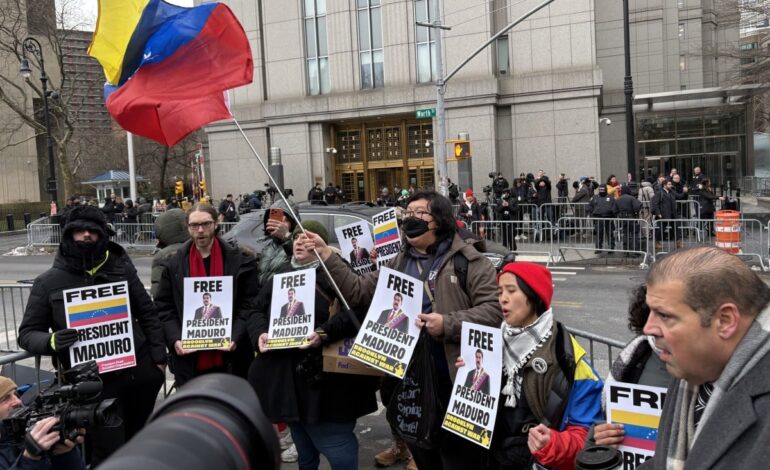
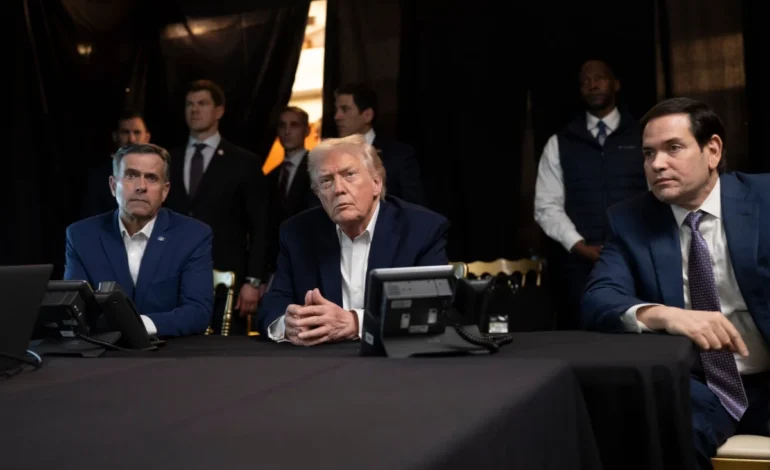
The capture of Venezuelan leader Nicolás Maduro last week was described by US officials as a decisive action aimed at restoring stability. Donald Trump himself characterised the move as necessary to prevent Venezuela’s vast oil wealth from being mismanaged or exploited by hostile actors. Yet behind the rhetoric, attention has increasingly shifted toward the country’s untapped reserves of critical minerals that are essential to modern technologies.
Venezuela is known primarily for its oil, but it also holds significant deposits of minerals such as gold, bauxite and rare earth elements. These materials are vital for electric vehicles, renewable energy systems, advanced electronics and military hardware. As the global transition toward clean energy accelerates, control over supply chains for these resources has become a central strategic concern for major powers.
China has spent years building a strong economic presence in Venezuela through loans, infrastructure projects and long term resource agreements. Chinese companies have invested heavily in mining and energy projects, securing access to raw materials while offering financial support to the Maduro government during periods of sanctions and isolation. This relationship has allowed Beijing to deepen its foothold in Latin America, a region traditionally seen as within Washington’s sphere of influence.
For the United States, this growing Chinese presence has raised alarms. US policymakers increasingly view critical minerals as a national security issue rather than a purely commercial one. Dependence on foreign controlled supply chains is seen as a vulnerability, particularly as tensions with China escalate across trade, technology and defence.
The Venezuela operation therefore fits into a wider pattern of strategic competition. Analysts argue that Washington’s actions are partly driven by a desire to prevent China from consolidating control over resources that could shape future industries. By reshaping Venezuela’s political landscape, the US may be seeking to reassert influence over resource flows in the Western Hemisphere.
China has responded cautiously, calling for respect for sovereignty while closely monitoring developments. Beijing has significant financial exposure in Venezuela and a strong interest in protecting its investments. Any prolonged instability or policy shift could disrupt supply arrangements and weaken China’s access to key materials.
The crisis also highlights how resource competition is becoming more entwined with security and diplomacy. Unlike past interventions focused narrowly on ideology or oil, today’s disputes increasingly centre on minerals that underpin technological leadership. This shift is reshaping how conflicts are interpreted and justified on the global stage.
For Venezuela, the struggle between external powers adds another layer of uncertainty to an already fragile situation. The country’s future may be shaped not only by domestic politics but also by how global demand for critical minerals evolves.
As the US China rivalry deepens, Venezuela’s resources have become more than an economic asset. They are now a strategic prize in a wider contest that extends far beyond Latin America, influencing global supply chains, energy transitions and the balance of power in the decades ahead.