
Beijing Slams Washington Over 11 Billion Dollar Arms Sale to Taiwan
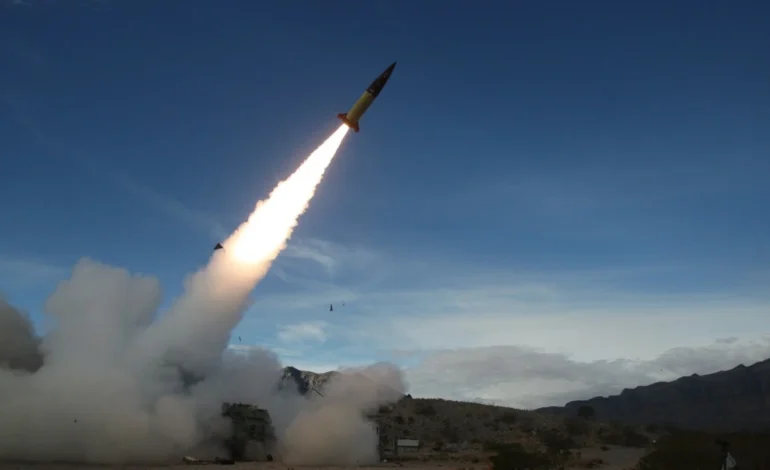
China has strongly condemned the United States after Washington approved a major weapons package for Taiwan valued at around 11 billion dollars, warning that the move seriously undermines Chinese sovereignty and risks further destabilising cross strait relations. Beijing described the decision as a dangerous political signal that could embolden separatist forces on the island and heighten regional tensions.
The criticism was delivered by Chen Binhua, a spokesperson for China’s Taiwan Affairs Office, who said the arms sale represented blatant interference in China’s internal affairs. He stressed that Taiwan is an inseparable part of China and that any foreign military support for the island directly challenges Beijing’s core interests.
According to Chen, the deal violates the one China principle that underpins diplomatic relations between Beijing and Washington. He also said it breaches the commitments laid out in the three China United States joint communiques, with particular emphasis on the August 17 communique signed in 1982. Under that agreement, the United States pledged to gradually reduce its arms sales to Taiwan, a promise Chinese officials argue has been repeatedly ignored in recent years.
The proposed sale reportedly includes advanced weapons systems designed to strengthen Taiwan’s defensive capabilities. US officials have framed the package as consistent with domestic law and long standing policy, arguing that it helps Taiwan maintain sufficient self defence capacity in the face of growing military pressure from the mainland. Washington maintains that such sales do not signal support for Taiwanese independence.
Beijing rejects that argument and insists that arms transfers encourage pro independence elements within Taiwan while undermining trust between China and the United States. Chinese officials say repeated weapons sales have already damaged bilateral relations and contributed to rising military activity around the Taiwan Strait.
The issue comes at a sensitive time, with strained ties between the world’s two largest economies extending beyond security into trade, technology and diplomacy. Taiwan remains one of the most contentious flashpoints in the relationship, with Beijing reserving the right to take all necessary measures to achieve reunification.
Chinese authorities have not specified what countermeasures might follow but warned that China will respond firmly to actions it views as crossing red lines. In the past, similar announcements have been followed by military drills, diplomatic protests and sanctions on US defence companies involved in the sales.
In Taiwan, officials have welcomed continued security cooperation with Washington, saying it is essential for deterring aggression and maintaining peace in the region. However, analysts note that each new arms deal adds pressure to an already volatile situation, increasing the risk of miscalculation.
As the arms sale moves forward, it is expected to remain a major source of friction between Beijing and Washington, highlighting the deep divisions over Taiwan’s future and the broader balance of power in the Asia Pacific.



